


Perspectives
Editorials, explainers, expert voices, and reader letters

How Vitamins Function as Biological Operators: A Systems-Based Framework
Vitamins function as specific biochemical operators embedded across multiple organ systems, not as interchangeable dietary supplements. When micronutrient status is…

Nine metabolic pathways: a visual guide to how your body converts food into energy
The human body converts food into energy through nine interconnected metabolic pathways. Understanding glycolysis, the Krebs cycle, gluconeogenesis, and fat…



Why Coffee Affects Everyone Differently: The Science of Caffeine Metabolism
Caffeine metabolism is governed by liver enzymes, genetics, and lifestyle factors, explaining why coffee affects…

Matcha vs Steeped Green Tea: Why Preparation Chemistry Matters More Than the Leaf
Matcha and steeped green tea contain the same plant but differ fundamentally in chemistry due…
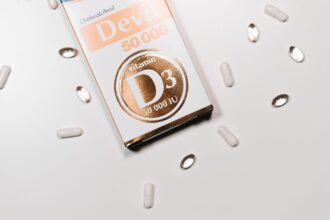
Vitamin D Insufficiency Affects Up to 97% in Some Regions—Here’s What the Evidence Shows
Vitamin D insufficiency affects 40–97% of North American populations, with geographic latitude and skin pigmentation…

Why ATP Without Magnesium Doesn’t Work: The Essential Ion Behind Cellular Energy
Approximately 90% of cellular ATP exists bound to magnesium ions, not as free ATP. This…

Blueberries show measurable benefits for heart, brain, and metabolic health, research confirms
Clinical trials show that 150 grams of blueberries daily reduce cardiovascular disease risk by 15%…