



KRAS-G12D inhibitor shows promise in advanced pancreatic cancer: phase 1b/2 trial results
A phase 1b/2 trial published in Nature Medicine demonstrates that HRS-4642, a targeted KRAS-G12D inhibitor combined with chemotherapy, achieves encouraging…

NHS Maternity Crisis: Why Cultural Change Lags Behind Safety Data
A landmark NHS inquiry into maternity services in Nottingham documents 500 cases of serious or avoidable harm affecting nearly 2,500…
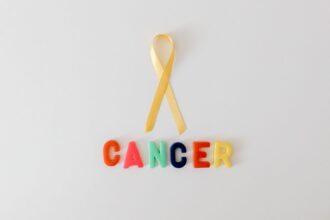


Combination immunotherapy with radiation shows promise in hormone-receptor-positive breast cancer
A randomized phase 2 trial in Nature Medicine demonstrates that combining durvalumab immunotherapy with stereotactic radiation produces encouraging clinical responses…
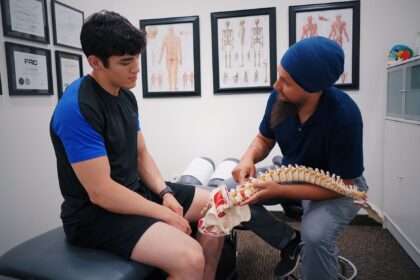
Most Brazilian Children with Disabling Musculoskeletal Pain Recover Within a Year, Study Shows
A prospective cohort study of Brazilian children found that 86% with disabling musculoskeletal pain—a condition affecting 3 in 10 youth—recovered…
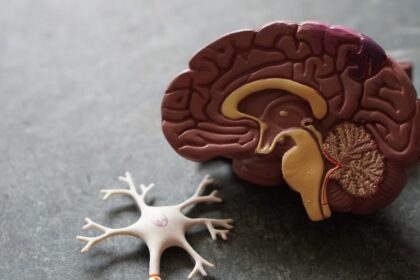
Concussion History Linked to Higher Tinnitus Risk, Study Finds
A study published in Sports Medicine Open (June 2026) found that greater concussion symptom history is associated with elevated odds…

Retinol vs Beta-Carotene: BCO1 Genetics and Why Conversion Is Unreliable
Beta-carotene only becomes vitamin A after an enzymatic conversion — and common gene variants cut that conversion by up to…
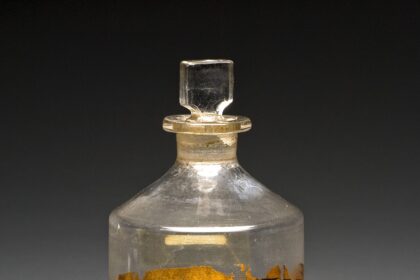
Why B12 Needs Amber Glass: Cobalamin Photodegradation
Shine light on a methylcobalamin solution and the vitamin starts disassembling itself within minutes. The photochemistry of cobalamins — and…
Methylcobalamin vs Cyanocobalamin: The Form Difference Explained
One is the coenzyme your cells actually use; the other is a stable synthetic that must be converted first. What…

Vitamin D3 + K2: Absorption vs Direction — How the Pairing Works
D3 decides how much calcium enters the body; K2-activated proteins influence where it ends up. What the combination evidence actually…

Who Is at Risk of B12 Deficiency: Older Adults, Vegans, Metformin and PPI Users
B12 deficiency clusters in four predictable groups — and its cruellest feature is that irreversible nerve damage can arrive before…