



Sleep deprivation damages multiple body systems simultaneously, six controlled studies show
Six controlled studies show that sleep deprivation simultaneously disrupts hormonal regulation, metabolic function, muscle maintenance, and appetite control—not isolated systems.…

How Vitamins and Minerals Power Brain Chemistry: The Neurotransmitter Connection
Vitamins B6, B12, folate, and minerals including zinc, magnesium, and iron function as essential cofactors in neurotransmitter synthesis and metabolism.…
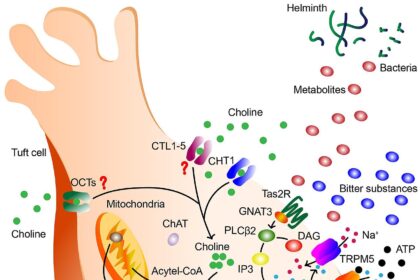
Beyond Energy: How Mitochondrial Metabolites Control Immunity, Stem Cells, and Cancer Risk
Mitochondrial metabolites—acetyl-CoA, α-ketoglutarate, itaconate, succinate, and fumarate—function as master regulators of immune tolerance, stem cell fate, and tumor suppression, not…

How Brain-Spine Circuits Control Walking—And Why They Fail First in Aging and Parkinson’s Disease
Walking relies on integrated brain-spine circuits controlling posture, balance, and rhythm. New evidence shows aging and Parkinson's disease preferentially damage…

Magnesium and Heart Disease: What the Evidence Actually Shows
A meta-analysis of 40 population studies involving over one million people found no evidence that magnesium prevents overall cardiovascular disease,…
How Your Cells Build New Mitochondria: The Science of Energy Production
When energy demand increases—during exercise, fasting, or cold exposure—cells activate mitochondrial biogenesis to generate new energy-producing structures. This adaptive process…

Light Roast Retains Most Chlorogenic Acids, But Dark Roast Offers Different Antioxidants
Light roast coffee retains 8.0 mg/g of chlorogenic acids—nearly twice the concentration found in dark roasts—but roasting transforms the antioxidant…

Thyroid Health Requires Nutritional Balance: Why Iodine, Selenium, and Tyrosine Work as a System
Thyroid hormone synthesis and regulation depend on iodine (structural backbone), selenium (enzyme cofactor for activation and antioxidant protection), and tyrosine…

How Exercise Intensity, Effort, and Physiological Stress Connect: A Unified Framework
Exercise intensity integrates objective physiological markers, subjective effort perception, and performance metrics on a shared continuum. Low-intensity sessions (30–50% 1RM,…

Thyroid Health Depends on Three Nutrients Working Together, Not One Alone
Thyroid hormone production requires iodine, selenium, and tyrosine working together as an integrated system. Each nutrient plays a distinct biochemical…