


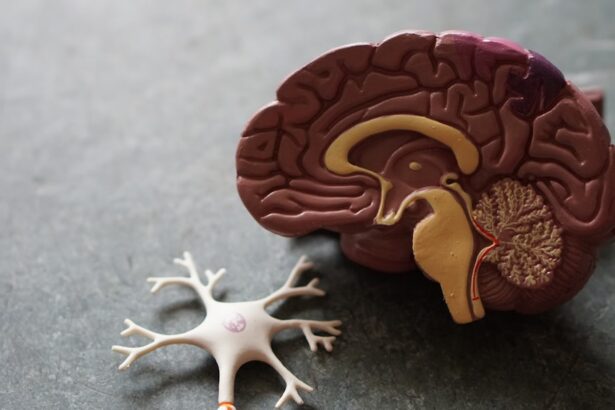
How testosterone production really works: the brain-gonad feedback loop explained
Testosterone is produced through a tightly regulated feedback loop between the brain, pituitary gland, and testes—not through exercise alone. Chronic…

How Your Body Stores and Deploys Nutrients: A Systems View of Micronutrient Management
Your body operates sophisticated storage systems for different micronutrients, with vitamins and minerals following distinct tissue-specific pathways that determine how…



Return migrants in sub-Saharan Africa face persistent health barriers despite homecoming, scoping review finds
Return migrants to sub-Saharan Africa face persistent healthcare barriers despite hopes that migration would improve their health outcomes, a scoping…

Scrub Typhus Diagnosis in India: New Evidence on Serological Testing Accuracy
A comprehensive meta-analysis of serological tests for scrub typhus diagnosis in India reveals variable diagnostic accuracy across assay platforms, highlighting…

Mobile Phone Technology Offers Promise for Tracking Perinatal Deaths in Rural Bangladesh
Researchers in Bangladesh have validated a mobile phone-based system for collecting pregnancy histories from rural women, offering a cost-effective method…

AI Model Detects Adverse Drug Events in Electronic Health Records with High Accuracy
A large language model successfully identifies adverse drug events from clinical notes, automating post-marketing drug safety surveillance and potentially enabling…

Direct Oral Anticoagulants Show Promise Over Heparin in Cancer Blood Clots, New Analysis Finds
A new meta-analysis of randomized controlled trials shows that direct oral anticoagulants reduce major bleeding by 40% compared with heparin…

How statistical paradoxes mislead drug safety decisions—and why AI may help
Statistical reasoning errors in drug safety evaluation—including the prosecutor's fallacy and Simpson's paradox—systematically distort causality judgments and remain inadequately audited…

TB-Related Stigma Remains Major Barrier to Treatment in Kenya, National Survey Finds
A national survey of 357 TB patients across 11 Kenyan counties finds that 68% experience community stigma and 51% face…

Atopic dermatitis affects 1 in 10 globally: what dermatologists and patients need to know
Atopic dermatitis affects approximately 1 in 10 people globally, making it the most common inflammatory skin disease. A comprehensive Nature…