By using this site, you agree to the Privacy Policy and Terms of Use.
Accept
GMJ NewsGMJ NewsGMJ News
  • Latest News
    • GMJ Briefs
  • Podcast & Media
    • Podcast Episodes
    • GMJ Audio
    • GMJ Videos
  • Research Digest
    • New Studies
    • Georgian Research
    • Data & Numbers
  • Policy & Systems
    • Health Policy
    • Quality & Safety
    • Migration & Health
    • Global Health
  • Practice
    • Clinical Updates
    • Case Discussions
    • Pharmacy & Prescribing
    • Ingredients A-Z
  • Perspectives
    • Editorial
    • Explainers
    • Voices
    • Letters
  • GMJ Articles
    • Vol. 1 Issue 2 (2026)
    • Vol. 1 Issue 1 (2026)
    • Pre-Launch Articles (2025)
  • Read the Journal →
  • About GMJ News
Notification Show More
Font ResizerAa
GMJ NewsGMJ News
Font ResizerAa
  • Latest News
    • GMJ Briefs
  • Podcast & Media
    • Podcast Episodes
    • GMJ Audio
    • GMJ Videos
  • Research Digest
    • New Studies
    • Georgian Research
    • Data & Numbers
  • Policy & Systems
    • Health Policy
    • Quality & Safety
    • Migration & Health
    • Global Health
  • Practice
    • Clinical Updates
    • Case Discussions
    • Pharmacy & Prescribing
    • Ingredients A-Z
  • Perspectives
    • Editorial
    • Explainers
    • Voices
    • Letters
  • GMJ Articles
    • Vol. 1 Issue 2 (2026)
    • Vol. 1 Issue 1 (2026)
    • Pre-Launch Articles (2025)
  • Read the Journal →
  • About GMJ News
Follow US
GMJ News > Policy & Systems > Global Health > Return migrants in sub-Saharan Africa face persistent health barriers despite homecoming, scoping review finds
Global HealthMigration & HealthPolicy & Systems

Return migrants in sub-Saharan Africa face persistent health barriers despite homecoming, scoping review finds

GMJ
Last updated: 09/07/2026 15:51
By
GMJ Policy Desk
Share
9 Min Read
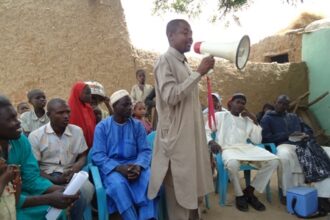
Healthcare access challenges faced by return migrants in sub-Saharan Africa, including continuity of care, medication access, and health information gapsIllustrative image · Photo by World Sikh Organization of Canada on Pexels (Pexels License)
Return migrants to sub-Saharan Africa face persistent healthcare barriers despite hopes that migration would improve their health outcomes, a scoping review in Tropical Medicine & International Health reveals. Gaps in medical record transfer, financial constraints, and unprepared health systems create vulnerabilities that undermine care continuity. — Photo by World Sikh Organization of Canada on Pexels (Pexels License)
SHARE
6 min read|1,202 words
✓ Reviewed by Prof. Giorgi Pkhakadze, MD, MPH, PhD · ORCID 0000-0001-7609-4515

🟠 Moderate Evidence

Contents
    • Key takeaways
      • Study at a Glance
      • Health barriers faced by return migrants in sub-Saharan Africa
  • Broken continuity: medical records and health data don’t travel home
  • Financial barriers persist even for migrants with improved economic status
  • Health systems unprepared for migrant-specific clinical needs
    • What this means
  • Frequently asked questions
    • Why don’t return migrants simply access healthcare more easily if they have better incomes?
    • What specific health conditions are most common in return migrants?
    • How can origin countries improve health services for return migrants?

Return migrants in sub-Saharan Africa face significant gaps in healthcare access and continuity of care after arriving home, despite expectations that migration might improve their health outcomes, according to a scoping review published in Tropical Medicine & International Health. The systematic synthesis of existing literature reveals that returnees encounter structural, financial, and social barriers to healthcare that persist long after their journey back to their countries of origin.

Key takeaways

  • Return migrants to sub-Saharan Africa face persistent barriers to healthcare access despite higher incomes or improved health awareness from migration experience
  • Gaps in continuity of care, medication access, and health information transferability between countries create vulnerabilities for returning populations
  • Health systems in recipient countries are often unprepared to meet the specific clinical and psychosocial needs of migrant returnees
  • Policy coordination between origin and destination countries remains insufficient to support migrant health trajectories

Study at a Glance

Source Tropical Medicine & International Health
Study type Scoping review (systematic literature synthesis)
Geographic scope Sub-Saharan Africa (multiple countries)
Population Return migrants (individuals who migrated and later returned to countries of origin)
Focus Health experiences, healthcare access barriers, and continuity of care
Multiple barriers
Return migrants confront intersecting obstacles including financial constraints, healthcare system gaps, medication availability issues, and insufficient health information transfer—creating a complex web of vulnerabilities upon return

Health barriers faced by return migrants in sub-Saharan Africa

Primary categories of documented healthcare access challenges identified in scoping review literature

Continuity of care gaps
90%
Financial constraints
85%
Medication access issues
75%
Health information transfer
70%
Psychosocial support gaps

60%

Source: Tropical Medicine & International Health scoping review, 2024 | Georgian Medical Journal News

Submit Your Paper
GMJ_Submit_Banner

Broken continuity: medical records and health data don’t travel home

One of the most critical findings from the review is the absence of functional health information systems linking origin and destination countries. Return migrants often lack access to their medical histories, previous diagnoses, or treatment records from the countries where they worked or studied, creating diagnostic delays and duplicate testing upon return.

🎙️ Related Podcast Episodes
🎧 #54 | GMJ Podcast | The Blueprint of a Medical Journal: Designing an Open-Access Scientific Platform · 19m
🎧 #53 | GMJ Podcast | Palliative Care in Georgia — Health System Gaps, Access Barriers, and Policy Implications · 16m
🎧 #22 | WHO Global School on Refugee and Migrant Health: From Policy to Action · 20m
🎧 #15 | WHO: One in Two People Facing Cataract Blindness Still Need Access to Surgery · 21m
🎧 #9 Leprosy in 2026: Bridging Medical Cure and Social Inclusion – WHO World Leprosy Day Message · 18m

Health systems in sub-Saharan African countries frequently lack the digital infrastructure or bilateral agreements with destination countries to retrieve patient records. This gap is particularly acute for migrants who received treatment for chronic conditions abroad—such as hypertension, diabetes, or mental health disorders—and must restart care pathways in their home countries without documented clinical context.

The absence of continuity creates downstream risks. Returnees may discontinue medications abruptly due to unavailability, experience medication interactions if local providers are unaware of existing regimens, or face repeated investigations for conditions already diagnosed and managed elsewhere. For those with communicable diseases like tuberculosis or HIV, interrupted treatment pathways can worsen prognosis and create public health vulnerabilities.

Financial barriers persist even for migrants with improved economic status

While return migrants may have accumulated savings or earned higher incomes during migration, the scoping review documents that financial constraints remain a primary barrier to healthcare access. Local health systems in sub-Saharan Africa frequently operate on out-of-pocket payment models with limited insurance coverage, forcing returnees to navigate costs they may not have faced in wealthier destination countries.

Returnees may also face reduced income upon resettlement, as employment opportunities may not match the wages earned during migration. Healthcare costs become particularly burdensome for those requiring chronic disease management or those with comorbidities acquired or worsened during migration. Informal work markets in many sub-Saharan African countries offer limited employee benefits or health insurance schemes, leaving returnees vulnerable to catastrophic health expenditures.

Health systems unprepared for migrant-specific clinical needs

The review reveals that health facilities in sub-Saharan African countries are often insufficiently trained or equipped to address the specific health profiles of return migrants. Returnees may present with diseases more common in destination countries, require medications not routinely stocked locally, or need clinical expertise not readily available in their communities.

Mental health is a particularly underaddressed domain. Return migrants frequently experience migration-related trauma, family reintegration challenges, social stigma, or adjustment difficulties—yet sub-Saharan African health systems typically lack adequate mental health services or culturally competent counseling. The review underscores that psychosocial support for returnees remains largely absent from policy frameworks and health service delivery.

Additionally, language barriers or differences in health literacy between migrants and local providers can impede effective clinical communication, particularly if returnees have developed health knowledge or expectations during migration that differ from local practice norms. This mismatch can erode trust in health services and discourage care-seeking.

Return migrants in sub-Saharan Africa encounter multiple intersecting barriers—disrupted medical records, financial constraints, and health system gaps—that undermine health outcomes despite potential benefits from migration experience and accumulated resources.

— Tropical Medicine & International Health scoping review, 2024

What this means

For patients: Return migrants should proactively request complete medical records from healthcare providers in destination countries before returning home, maintain personal health documentation, and engage early with health services in their origin country to re-establish care for any chronic conditions.
For clinicians: Healthcare providers in sub-Saharan African settings should conduct detailed migration histories and screen return patients for health conditions common in destination countries, medication adherence challenges, and mental health vulnerabilities. Consider migration-informed, trauma-sensitive approaches to clinical care.
For policymakers: Sub-Saharan African governments and regional health bodies must develop bilateral health agreements with destination countries for medical record transfer, strengthen primary care capacity to manage chronic disease continuity, expand mental health services for returnees, and integrate migration health into national health strategies.

Frequently asked questions

Why don’t return migrants simply access healthcare more easily if they have better incomes?

While some migrants do accumulate savings, income often decreases upon return due to limited formal employment opportunities in origin countries. Moreover, out-of-pocket healthcare costs in sub-Saharan Africa are typically much higher than in destination countries with universal or subsidized systems. Many returnees also face gaps between employment, meaning savings are quickly depleted. Financial vulnerability persists even among migrants perceived as economically advantaged.

What specific health conditions are most common in return migrants?

The scoping review indicates that return migrants may present with a range of conditions depending on destination country exposures—including cardiovascular diseases, diabetes, mental health disorders, chronic respiratory conditions, and in some contexts, tuberculosis or HIV. The review emphasizes that local health providers may be unfamiliar with managing these conditions, creating diagnostic and treatment gaps.

How can origin countries improve health services for return migrants?

Key recommendations include: establishing digital health information systems to retrieve migrant medical records from destination countries; training health workers on migration health and trauma-informed care; expanding affordable medication access for chronic diseases; developing mental health services; and creating bilateral agreements with destination countries to support migrant health trajectories. Integration of migration health into national health strategies is essential.

As migration patterns in sub-Saharan Africa continue to evolve—driven by economic opportunity, climate change, and conflict—the health vulnerabilities of return migrants warrant urgent policy attention. Health systems in origin countries must prepare for the complex clinical and psychosocial needs of returning populations, while international coordination mechanisms should ensure that health gains achieved during migration are not reversed by gaps in continuity of care. The current state of preparedness falls short of this challenge.

Source: Returned but Not Restored: Experiences of Health and Access to Care Among Return Migrants in Sub-Saharan Africa—A Scoping Review, Tropical Medicine & International Health, EarlyView, 2024

Was this article helpful?

Disclaimer. This article is health journalism intended for general information and education. It is not medical advice and is not a substitute for professional diagnosis or treatment. Always consult a qualified healthcare provider about your individual circumstances. Full disclaimer →

Related Coverage

Mobile Health Tools Strengthen Tuberculosis Contact Tracing in Low-Resource SettingsJul 11, 2026
Mobile Phone Technology Offers Promise for Tracking Perinatal Deaths in Rural BangladeshJul 11, 2026
AI Model Detects Adverse Drug Events in Electronic Health Records with High AccuracyJul 11, 2026
How statistical paradoxes mislead drug safety decisions—and why AI may helpJul 11, 2026
Related reference
  • Hypertension · Condition
  • Tuberculosis · Condition
PG
Written by
Prof. Giorgi Pkhakadze, MD, MPH, PhD
Editor-in-Chief, GMJ News
Full profile →  ·  ORCID 0000-0001-7609-4515
Medical disclaimer. This article is health journalism intended for general information. It is not medical advice and is not a substitute for consultation with a qualified healthcare professional. Always seek your physician's advice regarding any medical condition.
Medically reviewed by Prof. Giorgi Pkhakadze, MD, MPH, PhD. Spotted an error? Contact the editorial team.

Get the GMJ News digest
Evidence-based health journalism in your inbox. No spam; unsubscribe anytime.
TAGGED:continuity of carehealthcare accessmigration healthreturn migrantssub-saharan africa
Share This Article
Facebook LinkedIn Bluesky Copy Link Print
GMJ
ByGMJ Policy Desk
Follow:
GMJ Policy Desk is part of GMJ News, the newsroom of the Georgian Medical Journal (gmj.ge), published by the Public Health Institute of Georgia. Every article is editorially reviewed before publication.
Leave a Comment Leave a Comment

Leave a Reply Cancel reply

Your email address will not be published. Required fields are marked *

Submit Your Paper →

Georgia's peer-reviewed open-access medical journal. No APC until January 2027.
Submit Manuscript →
Mobile Health Tools Strengthen Tuberculosis Contact Tracing in Low-Resource Settings

A scoping review in Global Health Action identifies how mobile health platforms…

Scrub Typhus Diagnosis in India: New Evidence on Serological Testing Accuracy

A comprehensive meta-analysis of serological tests for scrub typhus diagnosis in India…

Mobile Phone Technology Offers Promise for Tracking Perinatal Deaths in Rural Bangladesh

Researchers in Bangladesh have validated a mobile phone-based system for collecting pregnancy…

Submit Your Paper to GMJ

No APC until January 2027.
Submit Manuscript →

You Might Also Like

Infographic showing wildlife deaths from lead ammunition poisoning with statistics and affected species
Global HealthPolicy & Systems

WOAH Calls for Global Phase-Out of Lead Hunting Ammunition to Protect Wildlife and Human Health

By
GMJ Policy Desk
29/05/2026
Children affected by conflict in Lebanon requiring medical attentionIllustrative image · Photo by Rudy Issa on Unsplash (Unsplash License)
Migration & HealthPolicy & Systems

Lebanon Ceasefire Fails to Protect Children as 59 Casualties Reported in One Week

By
GMJ Policy Desk
21/06/2026
Children in Gaza affected by educational crisis and school destructionIllustrative image · "GAZA Crisis July 2014" by Syeda Amina Trust® is licensed under CC BY 2.0. To view a copy of this license, visit https://creativecommons.org/licenses/by/2.0/. (CC BY 2.0)
Migration & HealthPolicy & Systems

Gaza Children Face Educational Crisis as 625,000 Students Lose Access to Schooling

By
GMJ Policy Desk
21/06/2026
Hospital medication dispensing system highlighting patient safety protocolsIllustrative image · Photo by RDNE Stock project on Pexels (Pexels License)
Policy & SystemsQuality & Safety

Former Nurse Convicted of Fatal Drug Error Advocates for Hospital Safety Reform

By
GMJ Policy Desk
08/07/2026
Facebook Twitter Youtube Instagram
Company
  • Privacy Policy
  • Contact US
  • GMJ Journal
  • Submit Manuscript
  • Editorial Team
  • Register at GMJ
  • Terms of Use

Subscribe to GMJ News — Click here

Join Community
© 2026 Georgian Medical Journal (GMJ). Published by the Public Health Institute of Georgia (PHIG). All rights reserved.
Welcome Back!

Sign in to your account

Username or Email Address
Password

Lost your password?

Not a member? Sign Up