Updated 13/09/2026
🟡 Preliminary Evidence
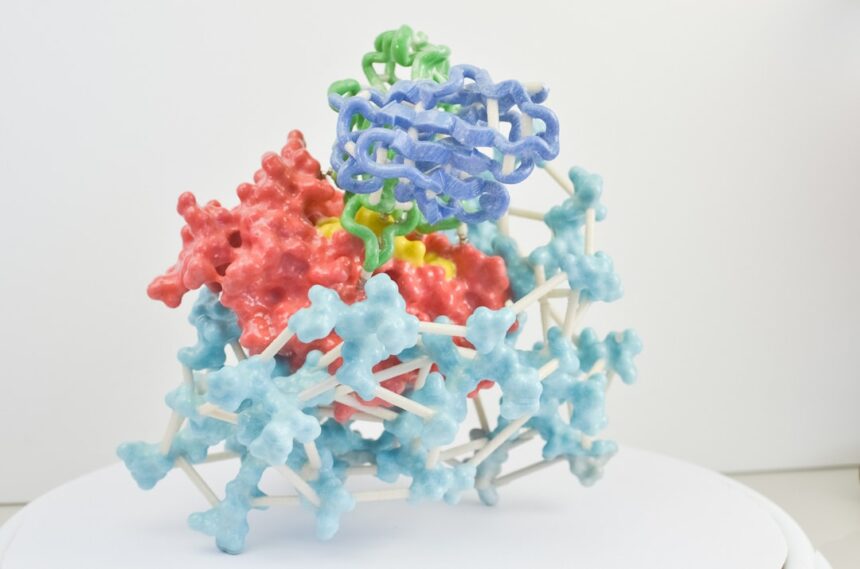
Researchers have developed a natural protein scaffold that could transform treatment for severe traumatic injuries by simultaneously promoting bone regeneration and blood vessel growth. The innovation addresses a critical clinical challenge: when significant bone and blood vessels are lost in volumetric injuries, cells in the injury center cannot survive without adequate blood supply, often leading to permanent tissue loss or failed grafts.
Key takeaways
- New protein scaffold promotes both bone healing and blood vessel formation simultaneously
- Technology addresses volumetric bone defects where traditional treatments often fail
- Dual approach could reduce healing time and improve outcomes for trauma patients
Dual Approach to Bone Regeneration
Traditional vs. integrated bone and vascular healing strategies

Source: Medical Xpress, 2026 | Georgian Medical Journal News
Revolutionary Dual-Function Technology
The protein scaffold represents a significant advancement in regenerative medicine by addressing both skeletal and vascular regeneration simultaneously. Traditional approaches to volumetric bone defects have struggled with the fundamental problem that bone cells require immediate vascularization to survive and thrive.
According to the research findings published in Medical Xpress, the natural protein material provides structural support while actively promoting the formation of new blood vessels. This integrated approach could significantly improve outcomes for patients with complex traumatic injuries where both bone and vascular structures are compromised.
Clinical Applications for Trauma Medicine
Volumetric bone defects present one of the most challenging scenarios in trauma surgery. When patients lose significant amounts of bone tissue along with the surrounding blood supply, conventional bone grafts often fail due to inadequate vascularization. The National Institutes of Health has identified improved vascularization as a key priority in tissue engineering research.
The new scaffold technology could be particularly valuable for military medicine and civilian trauma cases involving blast injuries, severe fractures, or tumor resections. By ensuring that new bone tissue receives adequate blood supply from the earliest stages of healing, the approach may reduce complications and accelerate recovery times. For more insights on regenerative medicine advances, visit our New Studies section.
The protein scaffold addresses the critical challenge where cells in the center of large injuries cannot survive without nearby blood supply, often leading to permanent tissue loss or failed grafts.
— Research findings (Medical Xpress, 2026)
Implications for Patient Care
The simultaneous promotion of bone and blood vessel growth could revolutionize treatment protocols for complex orthopedic injuries. Current standard care often requires multiple procedures and extended recovery periods, particularly when vascularization proves inadequate.
This integrated approach may reduce the need for multiple surgeries and decrease the risk of graft failure. The Centers for Disease Control and Prevention reports that traumatic injuries remain a leading cause of disability, making improved treatment options a significant public health priority.
What this means
Frequently asked questions
What makes this protein scaffold different from existing treatments?
Unlike traditional bone grafts that focus solely on skeletal regeneration, this scaffold simultaneously promotes blood vessel growth. This dual approach addresses the critical problem of inadequate vascularization that often causes graft failure in large bone defects.
Who would benefit most from this treatment?
Patients with volumetric bone defects—where significant bone and blood vessels are lost—would be primary candidates. This includes trauma victims, cancer patients after tumor removal, and those with severe fractures where traditional grafts have failed.
When might this treatment become available?
The research is in early development stages and will require extensive preclinical testing and clinical trials before becoming available to patients. The timeline for clinical application typically spans several years for regenerative medicine technologies.
The development of this protein scaffold represents a promising step forward in addressing one of orthopedic surgery’s most persistent challenges. As research continues, this integrated approach to bone and vascular regeneration could significantly improve outcomes for patients facing the most severe traumatic injuries. The technology’s potential to reduce healing time and improve success rates makes it a valuable addition to the regenerative medicine toolkit.
Source: Natural protein scaffold may speed bone healing by growing blood vessels at same time
🗺️ Find certified Georgian healthcare providers: sheniekimi.ge — Georgia Health Map · 998 clinics · 6,600+ doctors · 2,296 pharmacies
Was this article helpful?
Disclaimer. This article is health journalism intended for general information and education. It is not medical advice and is not a substitute for professional diagnosis or treatment. Always consult a qualified healthcare provider about your individual circumstances. Full disclaimer →
Related Coverage


Editorial standards. This article was produced under the GMJ News editorial process, with oversight by the GMJ Editorial Board. Our editorial process. Spotted an error? Contact the editorial team.