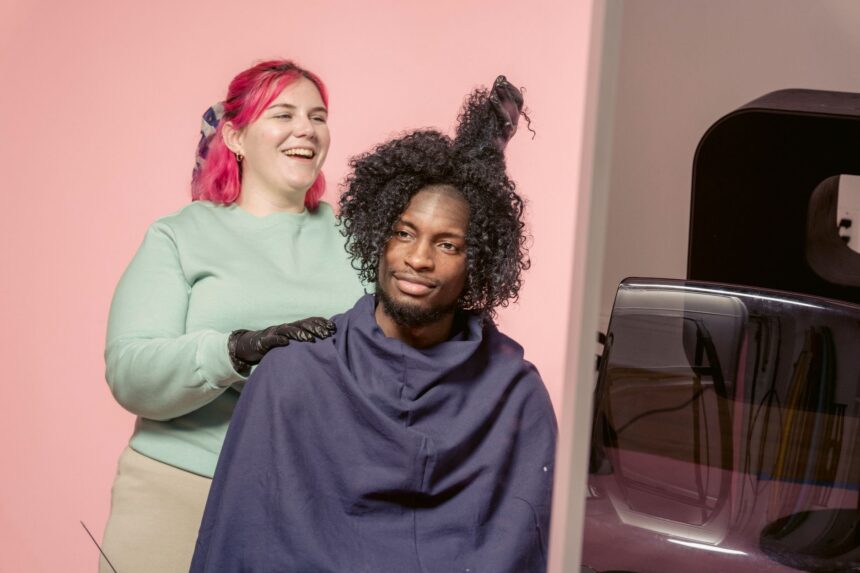
Families across the United Kingdom are traveling up to 530 miles to access specialized hairdressing services designed specifically for neurodivergent children, according to reporting from the BBC. A single salon in Lowestoft has become a regional center of excellence for sensory-accommodating personal care, highlighting a significant service gap in mainstream healthcare and wellness infrastructure for autistic and neurodivergent populations.
- A Service Gap Made Visible
- Sensory-Accommodating Design in Practice
- Implications for Health Equity and Service Design
- Frequently asked questions
- Why do sensory sensitivities make routine haircuts difficult for neurodivergent children?
- What specific accommodations make a salon sensory-friendly?
- Is this a UK-only problem or a global access gap?
- Pathways Forward
Key takeaways
- Families travel 530+ miles to access a single sensory-friendly salon in Lowestoft, indicating severe regional disparities in neurodivergent-accessible services
- Mainstream salons lack training in sensory sensitivities common to autistic children, creating barriers to routine personal care
- Specialized accommodations—including noise reduction, flexible scheduling, and trained staff—are evidence-based approaches to improving healthcare access equity
🟡 Preliminary Evidence
A Service Gap Made Visible
The extended distances families travel to access a single specialized salon underscore what public health researchers identify as a critical access disparity. Sensory sensitivities—including aversion to loud noise, bright lights, and unexpected touch—are well-documented features of autism spectrum disorder and other neurodivergent presentations, as detailed in the DSM-5 diagnostic criteria published by the American Psychiatric Association (2013).
Yet mainstream personal care providers—including hairdressers, dentists, and medical clinics—typically receive no formal training in sensory accommodation or neurodivergent-affirming practices. The World Health Organization’s World Report on Disability (2011) identifies training gaps in healthcare workforce preparedness for populations with complex support needs as a persistent barrier to inclusive care delivery.

Service Access Barriers for Neurodivergent Families
Geographic distance families travel vs. availability of neurodivergent-accessible salons in the UK
Source: BBC News reporting, 2024 | Georgian Medical Journal News
Sensory-Accommodating Design in Practice
Effective sensory-friendly services incorporate evidence-based environmental and behavioral modifications. Research in developmental pediatrics and occupational therapy literature identifies key accommodations: reduced ambient noise levels, dim or controllable lighting, advance notice of procedures, graduated exposure to stimuli, and staff trained in recognizing and responding to sensory distress.
The Journal of Autism and Developmental Disorders has published research on sensory-informed environmental design in clinical settings, demonstrating that such modifications reduce anxiety responses and increase service engagement among autistic individuals. These principles—while developed in clinical contexts—are directly applicable to personal care environments.
Families currently travel 530 miles to access a single sensory-friendly salon, revealing an acute service availability crisis and underscoring the urgent need for workforce training and accessibility standards in personal care sectors.
— BBC News reporting (2024)
Implications for Health Equity and Service Design
This access pattern reflects broader structural inequities in healthcare and wellness provision for neurodivergent populations. The Lancet Commission on the Health of People with Intellectual and Developmental Disabilities has documented that neurodivergent individuals experience higher rates of unmet healthcare needs, partly because mainstream systems lack sensory and communication accommodations.
Personal care—including haircuts, dental care, and medical examinations—should not require traveling across entire regions. Addressing this gap requires three-part action: (1) systematic training of mainstream service providers in sensory accommodation and neurodivergent-affirming practice; (2) development of accessibility standards for personal care environments; and (3) integration of neurodivergent individuals and families in service design processes, as outlined in disability rights frameworks endorsed by the UN Convention on the Rights of Persons with Disabilities.
What this means
Frequently asked questions
Why do sensory sensitivities make routine haircuts difficult for neurodivergent children?
Autistic and other neurodivergent individuals often experience heightened sensory processing, meaning sounds (clippers, water), tactile sensations (scissors near face, cape around neck), and unexpected movements feel overwhelming rather than neutral. According to research cited in the Journal of Autism and Developmental Disorders, these sensory differences are neurological, not behavioral, and require environmental and procedural accommodation rather than coercion.
What specific accommodations make a salon sensory-friendly?
Evidence-informed accommodations include: quiet or private treatment spaces (reducing ambient noise), advance scheduling allowing longer appointment slots without waiting, staff training on communicating clearly with neurodivergent clients, gradual introduction of tools and sensations, option to bring comfort items, and transparent explanations of each step. Some salons offer noise-canceling headphones, allow a support person to attend, or schedule appointments during quieter times of day.
Is this a UK-only problem or a global access gap?
While this reporting focuses on the UK, the underlying gap—lack of neurodivergent-accessible personal care services—is a global issue. The WHO estimates that neurodevelopmental conditions affect hundreds of millions globally, yet workforce training and service accessibility standards remain minimal in most health systems, creating comparable barriers in other countries.
Pathways Forward
Addressing this access crisis requires systemic change: mainstream personal care sectors must integrate neurodivergent-affirming training into their standard curricula; health systems should fund demonstration projects showing the feasibility and cost-effectiveness of sensory accommodation; and policymakers should establish clear accessibility requirements tied to funding and licensing. The existence of one exemplary salon demonstrates that such services are possible—the challenge now is scaling that model across regions and sectors to eliminate the need for families to travel 530 miles for routine care. See Health Policy coverage of neurodivergent healthcare access for ongoing updates on systemic reform efforts.
Source: BBC News: ‘We travel 530 miles so our son can have a haircut’
Was this article helpful?
Disclaimer. This article is health journalism intended for general information and education. It is not medical advice and is not a substitute for professional diagnosis or treatment. Always consult a qualified healthcare provider about your individual circumstances. Full disclaimer →
Related Coverage




Editorial standards. This article was produced under the GMJ News editorial process, with oversight by the GMJ Editorial Board. Our editorial process. Spotted an error? Contact the editorial team.