


Tag: Supplements

The Science Behind Magnesium Forms: What Evidence Actually Supports Organ-Specific Supplements
Supplement brands market specific magnesium forms for targeted organs—threonate for the brain, glycinate for sleep, taurate for the heart. But…

How Creatine Supplements Reshape Your Body’s Methylation Cycle
Your body produces 2 grams of creatine daily, consuming 40% of your total methyl group supply. When you supplement creatine,…
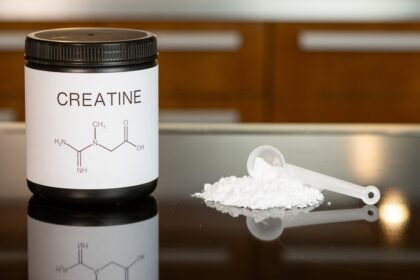
How Creatine Actually Works: The ATP Shuttle System Explained
Creatine supplementation does not work primarily through water retention or caffeine-like stimulation. Instead, it enhances the phosphocreatine shuttle system, which…

High Tyrosine Levels Linked to Reduced Life Expectancy in Men, Large Study Suggests
A large-scale epidemiological study has found that men with higher circulating levels of tyrosine—a common cognitive enhancement supplement—show reduced life…

Popular Joint Supplement Glucosamine Linked to 25% Higher Alzheimer’s Risk
New research finds glucosamine supplement users face 25% higher risk of progressing from mild cognitive impairment to Alzheimer's disease. The…

Popular Joint Pain Supplement Glucosamine Linked to Accelerated Dementia Risk
University of Florida research reveals concerning association between glucosamine supplements and accelerated progression from mild cognitive impairment to Alzheimer's disease.…

Evidence review: Which supplements older adults actually need and which ones to avoid
New evidence shows older adults benefit more from targeted supplementation for specific deficiencies like vitamin B12 and D, while protein…

Magnesium Supplements: Marketing Claims vs Scientific Evidence
Marketing claims about magnesium forms targeting specific organs lack human clinical evidence. All magnesium salts release identical ions in the…