


Allergies
GMJ News knowledge hub · last reviewed September 2026 · Georgian Medical Journal
SummaryStatisticsGlossaryGMJ newsFAQDocumentsOrganizationsResearch
Allergic diseases — encompassing allergic rhinitis (hay fever; approximately 400 million people globally), food allergy (220-250 million; peanut, milk, egg, shellfish, wheat, tree nuts), drug allergy, insect venom allergy and anaphylaxis (the life-threatening systemic IgE-mediated emergency) — represent the most prevalent immune-mediated conditions globally and are increasing in prevalence, particularly in high-income countries, in association with the “old friends” hypothesis of reduced early microbial exposure disrupting immune regulation (WHO). Immediate treatment of anaphylaxis with intramuscular adrenaline (epinephrine) 0.3-0.5mg IM in the lateral thigh is the life-saving first-line measure — antihistamines and corticosteroids are adjuncts, not primary treatment, and delays in adrenaline administration are the main cause of preventable anaphylaxis deaths.
Key messages
400M+ allergic rhinitis — most prevalent immune condition
Allergic rhinitis affects over 400 million people globally — the most prevalent chronic immune-mediated condition. Food allergy affects 220-250 million; anaphylaxis occurs at approximately 1-3 per 10,000 person-years, with rising prevalence particularly in children (WHO).
Adrenaline IM is the ONLY first-line anaphylaxis treatment
Intramuscular adrenaline (epinephrine) 0.3-0.5mg in the lateral thigh is the ONLY first-line treatment for anaphylaxis. Antihistamines and corticosteroids are adjuncts ONLY — they do not prevent or reverse anaphylaxis. Delay in adrenaline is the main cause of preventable anaphylaxis deaths.
IgE-mediated — the mechanism
Classical (type I) allergy is IgE-mediated: allergen exposure → IgE production (sensitisation) → subsequent exposure → IgE + allergen complex on mast cells/basophils → degranulation → histamine, leukotrienes, prostaglandins → immediate allergic reaction (minutes).
The allergic march
The “atopic march”: atopic dermatitis (eczema, typically first) → food allergy → allergic rhinitis → asthma — a common progression in genetically susceptible individuals. Early treatment of eczema and early introduction of allergenic foods may interrupt the march.
Allergen immunotherapy — the only disease-modifying treatment
Subcutaneous allergen immunotherapy (SCIT) and sublingual immunotherapy (SLIT — tablets or drops) are the only treatments that modify the underlying allergic disease — reducing sensitisation, preventing new allergen sensitisation and potentially preventing asthma development.
Peanut oral immunotherapy — FDA approved 2020
Palforzia (peanut OIT, FDA approved 2020 for ages 4-17) desensitises peanut-allergic children — raising the threshold dose to cause a reaction from approximately 10mg to approximately 300-600mg peanut protein, dramatically reducing the risk of severe reaction from accidental exposure.
Key statistics
Allergic disease spectrum — global prevalence estimates (WHO/WAO)
Source: WHO/WAO. Allergic rhinitis dominates by number; anaphylaxis is the life-threatening extreme.
Glossary of key terms
Latest GMJ coverage
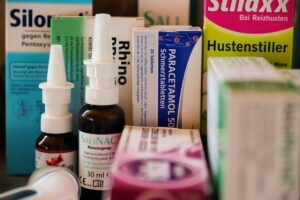
MHRA Approves First Needle-Free Adrenaline Nasal Spray for Young Children
04/07/2026

Vitamin E: Why 9 in 10 Fall Short — and Why the Natural Form Is Retained Better
20/08/2026
Supplement Ingredient Fraud: Substitution and Dilution — How Identity Testing Catches It
20/08/2026
Daily Peanut Consumption Reverses a Decade of Age-Related Brain Blood Flow Decline
30/07/2026

Daily Peanut Consumption Linked to 4% Improvement in Brain Blood Flow in Older Adults
29/07/2026
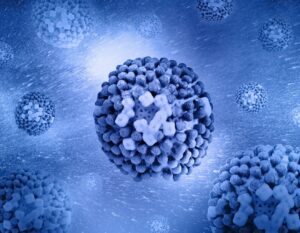
How Your Immune System Learns and Remembers: The Dual Defence Strategy
26/07/2026
Frequently asked questions 12 Q&A — structured for Google featured snippets and AI discovery
Knowledge hub: guidelines, conventions and reports
Organizations working in migration and health
Related health topics
Asthma (allergic)Atopic dermatitisFood allergen labellingImmune systemRespiratory allergiesAllergy supplements
About this hub. Produced by the GMJ News Editorial Team as a public-good service. Every statistic is linked to its primary source. Documents are preserved in the GMJ Repository with full attribution. Georgian Medical Journal · Contact the editorial team