By using this site, you agree to the Privacy Policy and Terms of Use.
Accept
GMJ NewsGMJ NewsGMJ News
  • Latest News
    • GMJ Briefs
  • Podcast & Media
    • Podcast Episodes
    • GMJ Audio
    • GMJ Videos
  • Research Digest
    • New Studies
    • Georgian Research
    • Data & Numbers
  • Policy & Systems
    • Health Policy
    • Quality & Safety
    • Migration & Health
    • Global Health
  • Practice
    • Clinical Updates
    • Case Discussions
    • Pharmacy & Prescribing
    • Ingredients A-Z
  • Perspectives
    • Editorial
    • Explainers
    • Voices
    • Letters
  • Health Topics
  • GMJ Articles
    • Vol. 1 Issue 2 (2026)
    • Vol. 1 Issue 1 (2026)
    • Pre-Launch Articles (2025)
  • Read the Journal →
  • About GMJ News
Notification Show More
Font ResizerAa
GMJ NewsGMJ News
Font ResizerAa
  • Latest News
    • GMJ Briefs
  • Podcast & Media
    • Podcast Episodes
    • GMJ Audio
    • GMJ Videos
  • Research Digest
    • New Studies
    • Georgian Research
    • Data & Numbers
  • Policy & Systems
    • Health Policy
    • Quality & Safety
    • Migration & Health
    • Global Health
  • Practice
    • Clinical Updates
    • Case Discussions
    • Pharmacy & Prescribing
    • Ingredients A-Z
  • Perspectives
    • Editorial
    • Explainers
    • Voices
    • Letters
  • Health Topics
  • GMJ Articles
    • Vol. 1 Issue 2 (2026)
    • Vol. 1 Issue 1 (2026)
    • Pre-Launch Articles (2025)
  • Read the Journal →
  • About GMJ News
Follow US
GMJ News > Practice > Clinical Updates > MHRA Approves First Needle-Free Adrenaline Nasal Spray for Young Children
Clinical UpdatesPractice

MHRA Approves First Needle-Free Adrenaline Nasal Spray for Young Children

GMJ
Last updated: 23/06/2026 18:42
By
GMJ Practice Desk
Share
5 Min Read
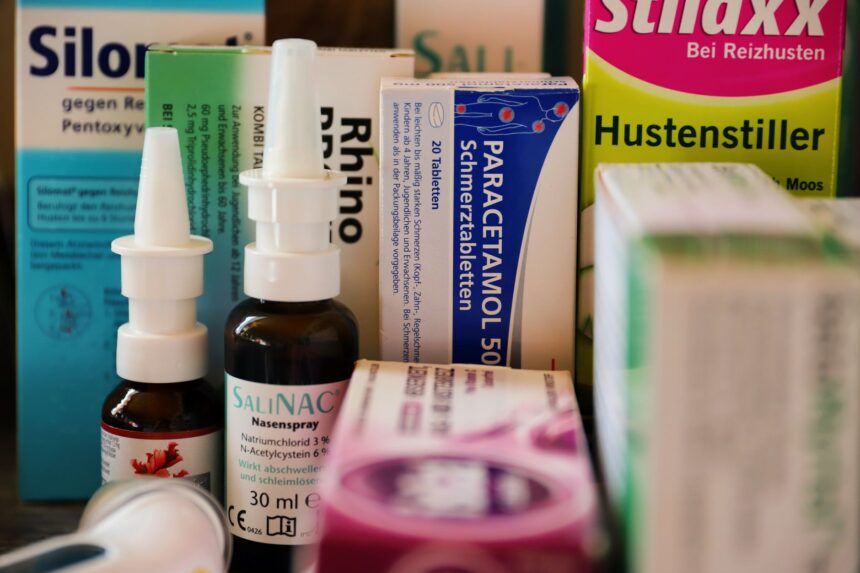
Medical nasal spray device representing breakthrough pediatric anaphylaxis treatment optionIllustrative image · Photo by Christina & Peter on Pexels (Pexels License)
UK regulators approve the first needle-free adrenaline nasal spray for children as young as 12 months, offering a breakthrough treatment option for pediatric anaphylaxis emergencies. The MHRA approval addresses traditional injection barriers while maintaining therapeutic effectiveness. — Photo by Christina & Peter on Pexels (Pexels License)
SHARE
🎧 Listen to this article4:24 min · 616 words · GMJ Audio
3 min read|616 words
✓ Reviewed by GMJ News Editorial Team

🟢 Strong Evidence

Contents
    • Key takeaways
      • Anaphylaxis Emergency Treatment Options by Age Group
  • Regulatory approval addresses treatment gap
  • Clinical significance for emergency care
  • Ongoing safety monitoring protocols
    • What this means
  • Frequently asked questions
    • How does nasal spray adrenaline compare to injection effectiveness?
    • What age groups can use the needle-free adrenaline treatment?
    • Will traditional auto-injectors still be available?

The UK’s Medicines and Healthcare products Regulatory Agency (MHRA) has approved the first needle-free adrenaline nasal spray for children as young as 12 months, marking a significant advancement in emergency anaphylaxis treatment for younger patients.

Key takeaways

  • First needle-free adrenaline delivery approved for children aged 12 months and older
  • Lower dose formulation specifically designed for younger children’s physiological needs
  • MHRA maintains ongoing safety monitoring for this new emergency treatment
12 months
minimum age for needle-free adrenaline treatment approval

Anaphylaxis Emergency Treatment Options by Age Group

Available adrenaline delivery methods for severe allergic reactions

Adults (Traditional injection)
Available
Children 4+ (Traditional injection)
Available
Children 12m+ (Nasal spray)
New approval

Source: MHRA, 2024 | Georgian Medical Journal News

Submit Your Paper
GMJ_Submit_Banner

Regulatory approval addresses treatment gap

The MHRA’s approval specifically targets younger children who have faced challenges with traditional auto-injector devices. The needle-free nasal spray delivery system eliminates injection-related barriers that can complicate emergency treatment in pediatric anaphylaxis cases.

The regulatory decision follows comprehensive safety and efficacy evaluations, with the MHRA confirming that the lower-dose formulation meets the specific physiological requirements of younger children. This represents a targeted approach to pediatric emergency medicine, acknowledging the unique dosing and delivery needs of this vulnerable population.

Clinical significance for emergency care

Anaphylaxis represents a life-threatening emergency requiring immediate adrenaline administration. The traditional auto-injector approach, while effective, can present practical challenges in younger children due to needle phobia, injection site requirements, and caregiver hesitation during high-stress emergency situations.

The nasal spray formulation addresses these barriers by providing rapid systemic adrenaline delivery through nasal mucosa absorption. This mechanism offers comparable therapeutic outcomes while eliminating injection-related complications that can delay critical treatment in pediatric emergencies.

For more information on clinical updates in emergency medicine, healthcare providers can access additional resources through our medical news platform.

Ongoing safety monitoring protocols

The MHRA has established continuous post-market surveillance for the adrenaline nasal spray, monitoring both safety profiles and therapeutic effectiveness in real-world clinical applications. This pharmacovigilance approach ensures ongoing assessment of the treatment’s performance across diverse pediatric populations.

Healthcare providers are encouraged to report adverse events through established regulatory channels, contributing to the comprehensive safety database that will inform future clinical recommendations and potential label modifications.

The MHRA will keep the safety and effectiveness of the adrenaline nasal spray under close review, ensuring continuous monitoring of this breakthrough pediatric treatment.

— MHRA regulatory statement (Government announcement, 2024)

What this means

For patients: Families with young children at risk of anaphylaxis now have access to a needle-free emergency treatment option that may improve compliance and reduce treatment delays
For clinicians: Pediatric emergency protocols should be updated to include nasal spray adrenaline as a viable first-line treatment option for children 12 months and older
For policymakers: Healthcare systems should evaluate procurement and training protocols to integrate needle-free adrenaline delivery into standard emergency care pathways

Frequently asked questions

How does nasal spray adrenaline compare to injection effectiveness?

Nasal spray delivery provides systemic adrenaline absorption through nasal mucosa, offering therapeutic outcomes comparable to traditional injection methods while eliminating needle-related barriers.

What age groups can use the needle-free adrenaline treatment?

The MHRA approval covers children aged 12 months and older, with specific lower-dose formulation designed for younger pediatric patients’ physiological requirements.

Will traditional auto-injectors still be available?

Yes, traditional adrenaline auto-injectors remain available and continue to be effective treatment options, with the nasal spray providing an additional choice for families and healthcare providers.

This regulatory milestone represents a significant advancement in pediatric emergency medicine, potentially improving treatment accessibility and reducing barriers to life-saving adrenaline therapy in young children experiencing severe allergic reactions. The MHRA’s approval demonstrates the ongoing evolution of emergency medical treatments toward more patient-friendly delivery systems while maintaining therapeutic efficacy.

Source: Lower dose needle-free allergy treatment approved for younger children

Was this article helpful?

Disclaimer. This article is health journalism intended for general information and education. It is not medical advice and is not a substitute for professional diagnosis or treatment. Always consult a qualified healthcare provider about your individual circumstances. Full disclaimer →

Related Coverage

Why your spine is your body's master communications networkAug 20, 2026
How Muscle Signals Protect the Brain: The Emerging Science of MyokinesAug 19, 2026
Creatine for Brain Health: What the Evidence Actually ShowsAug 19, 2026
Choline deficiency overshadows folate and B12 in methylation metabolismAug 19, 2026
Explore more on this topic:🧭 Child Health hub🧭 Rheumatoid Arthritis hub🧭 Allergies hub
🔥 Most read this week
1High-Dose Zinc Supplements May Create Copper Deficiency, Warn Nutrition Experts
2How Coffee Brewing Method Affects Cholesterol: The Science Behind Diterpenes and Filters
3Creatine Kidney Damage Myth Debunked by Major Safety Review of 26,000 Participants
4How Coffee and Tea Reduce Iron Absorption: A Mechanism Explained
PG
Editorial oversight
Prof. Giorgi Pkhakadze, MD, MPH, PhD
Editor-in-Chief, GMJ News
Full profile →  ·  ORCID 0000-0001-7609-4515
Medical disclaimer. This article is health journalism intended for general information. It is not medical advice and is not a substitute for consultation with a qualified healthcare professional. Always seek your physician's advice regarding any medical condition.
Editorial standards. This article was produced under the GMJ News editorial process, with oversight by the GMJ Editorial Board. Our editorial process. Spotted an error? Contact the editorial team.

📬 GMJ Health Digest
Evidence-based medical news, once a week. Free, no spam, unsubscribe anytime.
TAGGED:adrenalineanaphylaxisMHRAneedle-free treatmentpediatric emergency
Share This Article
Facebook LinkedIn Bluesky Copy Link Print
GMJ
ByGMJ Practice Desk
Follow:
GMJ Practice Desk is part of GMJ News, the newsroom of the Georgian Medical Journal (gmj.ge), published by the Public Health Institute of Georgia. Every article is editorially reviewed before publication.
Leave a Comment Leave a Comment

Leave a Reply Cancel reply

Your email address will not be published. Required fields are marked *

Submit Your Paper →

Georgia's peer-reviewed open-access medical journal. No APC until January 2027.
Submit Manuscript →
Sir Jeremy Farrar’s Retirement from WHO Is a Warning — Not About WHO, but About How the World Funds Global Health

The announced retirement of Sir Jeremy Farrar from the World Health Organization…

Why your spine is your body’s master communications network

Your spine is a master communications network housing 31 pairs of spinal…

How Muscle Signals Protect the Brain: The Emerging Science of Myokines

Muscle contraction releases signaling molecules called myokines that protect brain health, support…

Submit Your Paper to GMJ

No APC until January 2027.
Submit Manuscript →

You Might Also Like

Microscopic image of Echinococcus multilocularis tapeworm parasiteIllustrative image · Photo by fr0ggy5 on Unsplash (Unsplash License)
Clinical UpdatesGlobal HealthNew StudiesPolicy & SystemsPracticeResearch Digest

Fatal Tapeworm Disease Spreads to Pacific Northwest Wild Animals for First Time

By
GMJ Practice Desk
07/07/2026
Advanced PET imaging system providing real-time surgical guidance for osteosarcoma tumor resection
Clinical UpdatesNew StudiesPracticeResearch Digest

New PET Imaging Platform Transforms Real-Time Surgical Margin Assessment in Osteosarcoma

By
GMJ Practice Desk
06/06/2026
Illustration of UV radiation spectrum showing UVA, UVB penetration depths in human skinIllustrative image · Runner with Long-Sleeve Sun Protection (48855587326).jpg by Chris Hunkeler from Carlsbad, California, USA / CC BY-SA 2.0 via Wikimedia Commons (CC BY-SA 2.0)
Clinical UpdatesExplainersPerspectivesPractice

Understanding UV Radiation: What the Science Says About Sun Protection

By
GMJ Practice Desk
04/08/2026
MHRA headquarters building representing regulatory equality framework implementationIllustrative image · Photo by Markus Winkler on Unsplash (Unsplash License)
Health PolicyPolicy & Systems

MHRA Reports Progress on Health Equity Through Regulatory Reform

By
GMJ Policy Desk
15/06/2026
Facebook Twitter Youtube Instagram
Company
  • Privacy Policy
  • Contact US
  • GMJ Journal
  • Submit Manuscript
  • Editorial Team
  • Register at GMJ
  • Terms of Use

Subscribe to GMJ News — Click here

Join Community
© 2026 Georgian Medical Journal (GMJ). Published by the Public Health Institute of Georgia (PHIG). All rights reserved.
Welcome Back!

Sign in to your account

Username or Email Address
Password

Lost your password?

Not a member? Sign Up