


Heart Failure
GMJ News knowledge hub · last reviewed October 2026 · Georgian Medical Journal
SummaryStatisticsGlossaryGMJ newsFAQDocumentsOrganizationsResearch
Heart failure — a clinical syndrome in which the heart cannot pump sufficient blood to meet the body's needs — affects approximately 64 million people globally, causes approximately 2-3 million deaths per year, and is the leading cause of hospitalisation in adults over 65 in high-income countries (WHO/ESC). The SGLT-2 inhibitor revolution — with dapagliflozin and empagliflozin reducing hospitalisation and cardiovascular death across all heart failure subtypes — represents the most important therapeutic advance in heart failure in a generation. Despite these advances, 5-year mortality from heart failure (approximately 50%) exceeds that of many cancers.
Key messages
64 million people — 50% 5-year mortality
Heart failure affects approximately 64 million people globally and carries a 5-year mortality of approximately 50% — worse than many cancers. It is the leading cause of hospitalisation in adults over 65 in high-income countries (WHO/ESC).
SGLT-2 inhibitors transform all types
SGLT-2 inhibitors (dapagliflozin, empagliflozin, sotagliflozin) have demonstrated benefits across all ejection fraction subtypes — HFrEF, HFmrEF and HFpEF — reducing heart failure hospitalisation by approximately 25-30% and cardiovascular death. The first class to benefit HFpEF.
HFrEF — four pillar therapy
Heart failure with reduced ejection fraction (HFrEF, EF <40%) has four evidence-based drug pillars: ACE inhibitors/ARNi (sacubitril/valsartan); beta-blockers; MRAs (spironolactone/eplerenone); and SGLT-2 inhibitors — all reducing mortality.
HFpEF — a neglected form
Heart failure with preserved ejection fraction (HFpEF, EF ≥50%) accounts for approximately 50% of heart failure but historically had no proven disease-modifying therapy. SGLT-2 inhibitors (empagliflozin in EMPEROR-Preserved; dapagliflozin in DELIVER) are the first class to show benefit.
Prevention is paramount
Most heart failure results from the accumulated damage of hypertension, coronary artery disease, diabetes and valvular disease — all preventable or treatable. Prevention of heart failure through aggressive management of these conditions is far more effective than treatment once established.
Device therapy
Implantable cardioverter-defibrillators (ICDs) prevent sudden death; cardiac resynchronisation therapy (CRT) improves function and survival in specific patients; left ventricular assist devices (LVADs) and heart transplantation are options for advanced heart failure.
Key statistics
Heart failure treatment landscape — NYHA class and 5-year survival
Source: ESC/published data. Modern quadruple therapy substantially improves survival in HFrEF.
Glossary of key terms
Latest GMJ coverage

Neurotensin Receptor 2 Activation Shows Promise in Preventing Heart Failure Progression
18/08/2026

Expanding Heart Failure Care With Pharmacists and Nurse Practitioners Cuts Costs and Saves Lives
12/08/2026

Even Light Smoking Raises Heart Disease Risk by 50–60%, Study Shows—and Quitting Doesn’t Fully Reverse It
30/07/2026
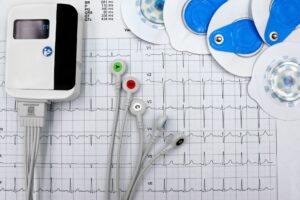
Magnesium and Heart Disease: What the Evidence Actually Shows
22/07/2026

CoQ10 supplementation reduces heart failure events by 43%, Q-SYMBIO trial shows
20/07/2026
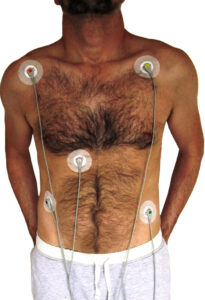
Why Heart Failure Patients Need Thiamine: A Metabolic Imperative Often Overlooked
19/07/2026
Frequently asked questions 12 Q&A — structured for Google featured snippets and AI discovery
Knowledge hub: guidelines, conventions and reports
Organizations working in migration and health
Related health topics
CVDHypertensionAtrial fibrillationDiabetesKidney diseaseAgeing
About this hub. Produced by the GMJ News Editorial Team as a public-good service. Every statistic is linked to its primary source. Documents are preserved in the GMJ Repository with full attribution. Georgian Medical Journal · Contact the editorial team