


Leishmaniasis
GMJ News knowledge hub · last reviewed October 2026 · Georgian Medical Journal
SummaryStatisticsGlossaryGMJ newsFAQDocumentsOrganizationsResearch
Leishmaniasis — transmitted by the bite of infected sandflies and caused by more than 20 species of Leishmania parasites — is the world's second-deadliest parasitic killer after malaria: visceral leishmaniasis (kala-azar) is almost universally fatal without treatment, affecting approximately 50,000-90,000 new people per year; cutaneous leishmaniasis affects 600,000-1 million (WHO). An estimated 3.3 billion people are at risk in more than 100 countries across Asia, East Africa, Latin America, Europe and the Middle East. It is a disease of poverty and conflict — with displacement dramatically amplifying transmission.
Key messages
Neglected and deadly
Visceral leishmaniasis (kala-azar) is the world's second-deadliest parasitic disease after malaria — almost universally fatal without treatment. 50,000-90,000 new cases occur per year, predominantly in India, Ethiopia, Kenya, Somalia, Sudan and Brazil.
Three clinical forms
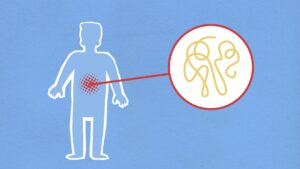
Leishmaniasis occurs in three main forms: visceral (affects organs — liver, spleen, bone marrow; almost always fatal untreated); cutaneous (skin ulcers — most common; 600,000-1 million cases/year); and mucocutaneous (destroys mucous membranes of nose, mouth and throat).
Disease of poverty and conflict
Leishmaniasis is strongly linked to poverty — affecting the poorest communities in LMICs, worsened by malnutrition, crowded housing and displacement. Armed conflict dramatically amplifies transmission in endemic areas.
Sandfly vector
Leishmaniasis is transmitted by the bite of infected female phlebotomine sandflies. Sandflies breed in humid, dark environments (soil cracks, animal burrows, rubble). Insecticide-treated bed nets and indoor residual spraying are effective vector control tools.
Treatments exist but are imperfect
Several treatments are available — amphotericin B (gold standard, but toxic and expensive), antimonials (first-line in some regions, resistance increasing), miltefosine (oral, only drug for oral treatment of visceral leishmaniasis) — but none are ideal for LMIC settings.
WHO 2030 elimination target
WHO targets elimination of visceral leishmaniasis as a public health problem in the Indian subcontinent (India, Bangladesh, Nepal) by 2023 — and in all endemic countries by 2030. India has achieved dramatic reductions through integrated vector control and case management.
Key statistics
Visceral leishmaniasis cases reported globally (thousands) — WHO 2000-2022
Glossary of key terms
Latest GMJ coverage
Frequently asked questions 12 Q&A — structured for Google featured snippets and AI discovery
Knowledge hub: guidelines, conventions and reports
Organizations working in migration and health
Related health topics
NTDsMalariaHIV/AIDSViolence (conflict)AMRWASH
About this hub. Produced by the GMJ News Editorial Team as a public-good service. Every statistic is linked to its primary source. Documents are preserved in the GMJ Repository with full attribution. Georgian Medical Journal · Contact the editorial team