


Home › Topics › Post-COVID Condition (Long COVID)
Post-COVID Condition (Long COVID)
GMJ News knowledge hub · last reviewed October 2026 · Georgian Medical Journal
SummaryStatisticsGlossaryGMJ newsFAQDocumentsOrganizationsResearch
Post-COVID condition (commonly called Long COVID) — defined by WHO as symptoms occurring usually 3 months from onset of COVID-19, lasting at least 2 months and not explained by an alternative diagnosis — affects an estimated 10-20% of people who survive COVID-19 infection, equating to approximately 65 million people globally with persistent disabling symptoms (WHO 2021). Characteristic symptoms include profound fatigue, post-exertional malaise (worsening after physical or cognitive effort), cognitive impairment (“brain fog”), breathlessness, palpitations and sleep disturbance. The pathophysiology remains incompletely understood — with viral persistence, immune dysregulation, microbiome disruption, endothelial dysfunction and reactivation of latent herpesviruses all implicated.
Key messages
65 million people globally — WHO definition
Post-COVID condition affects an estimated 10-20% of COVID-19 survivors — approximately 65 million people globally — defined by WHO as symptoms occurring 3 months from COVID-19 onset, lasting ≥2 months and not explained by an alternative diagnosis.
Fatigue and brain fog dominate
The most common symptoms: post-exertional malaise (PEM — worsening after physical or cognitive effort); profound fatigue; cognitive impairment ("brain fog" — difficulty concentrating, memory problems); breathlessness; and palpitations.
Vaccination reduces but does not eliminate risk
COVID-19 vaccination reduces the risk of developing post-COVID condition — estimates range from 30-50% reduction with primary vaccination. Paxlovid (nirmatrelvir + ritonavir) early treatment may also reduce risk.
Mechanisms remain incompletely understood
Leading hypotheses: viral persistence (SARS-CoV-2 RNA/antigen in gut, lymph nodes); immune dysregulation (autoantibodies, T-cell activation); microbiome disruption; endothelial injury; mitochondrial dysfunction; reactivation of EBV and other latent herpesviruses.
ME/CFS overlap
Post-COVID condition shares significant overlap with myalgic encephalomyelitis/chronic fatigue syndrome (ME/CFS) — particularly post-exertional malaise, which is the defining feature. Pacing (energy management) is essential; "graded exercise therapy" (GET) can worsen PEM.
No approved specific treatment
No pharmacological treatment is specifically approved for post-COVID condition. Management: pacing and energy management; treatment of specific organ complications; rehabilitation; mental health support. Clinical trials of numerous agents are ongoing.
Key statistics
Most common post-COVID symptoms — frequency in studies (%) — WHO/Lancet
Source: WHO/Lancet 2022 systematic review. Fatigue, brain fog and breathlessness dominate.
Glossary of key terms
Latest GMJ coverage

Structured rehabilitation programme reduces cognitive symptoms in long COVID patients
26/09/2026

Immunoadsorption Shows No Benefit for Long COVID in Randomised Trial
30/06/2026

Brain Scans Reveal No Widespread Inflammation in Long COVID Patients, Challenging Previous Theories
14/06/2026

Long COVID Could Cost US Healthcare System $8 Billion Over Three Years
27/05/2026
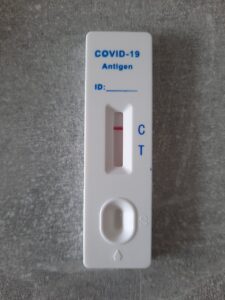
UK flu and COVID-19 surveillance data to May 2027 shows continued monitoring amid seasonal trends
03/10/2026

Beyond COVID: Why childhood vaccination rates are falling globally
16/09/2026
Frequently asked questions 12 Q&A — structured for Google featured snippets and AI discovery
Knowledge hub: guidelines, conventions and reports
Organizations working in migration and health
Related health topics
COVID-19Mental healthCVD (cardiac complications)DisabilityCOVID-19 vaccines (protection)Rehabilitation
About this hub. Produced by the GMJ News Editorial Team as a public-good service. Every statistic is linked to its primary source. Documents are preserved in the GMJ Repository with full attribution. Georgian Medical Journal · Contact the editorial team