


Home › Topics › Respiratory Syncytial Virus (RSV)
Respiratory Syncytial Virus (RSV)
GMJ News knowledge hub · last reviewed September 2026 · Georgian Medical Journal
SummaryStatisticsGlossaryGMJ newsFAQDocumentsOrganizationsResearch
Respiratory syncytial virus (RSV) is the leading cause of acute lower respiratory infection in infants globally — causing an estimated 3.6 million hospitalisations and 100,000 child deaths under 5 every year, the vast majority in LMICs (WHO). RSV also causes severe disease in older adults and immunocompromised individuals. The RSV prevention landscape has been transformed by three landmark approvals in 2023-2024: nirsevimab (Beyfortus — monoclonal antibody for all infants), and two vaccines (abrysvo, mResvia) for older adults — representing the most significant advance in RSV prevention in the 60 years since the virus was first isolated.
Key messages
100,000 child deaths/year
RSV causes approximately 100,000 deaths in children under 5 per year — predominantly in LMICs where access to supportive care is limited. RSV is the leading infectious cause of infant hospitalisation globally (WHO).
Revolutionary 2023-2024 prevention
Three landmark approvals have transformed RSV prevention: nirsevimab (Beyfortus — long-acting monoclonal antibody for all infants, 77% efficacy against hospitalisation); abrysvo (maternal vaccine); and mResvia (mRNA vaccine for older adults).
All infants and older adults at risk
RSV causes severe disease at the extremes of age: infants (bronchiolitis — inflammation of small airways) and older adults ≥60 and immunocompromised individuals (pneumonia, respiratory failure). Previously healthy adults rarely develop severe disease.
No specific antiviral treatment
RSV treatment is supportive — oxygen, hydration, and in severe cases mechanical ventilation. Ribavirin has minimal evidence and is rarely used. Prevention through nirsevimab and maternal vaccination is therefore the primary strategy.
Seasonal pattern
RSV follows strong seasonal patterns: in temperate zones, RSV season is autumn to spring (October-March in the Northern Hemisphere). In tropical/subtropical settings, circulation may be more prolonged. Seasonal patterns guide prophylaxis timing.
GAVI and access
Nirsevimab at $100+ per dose is unaffordable for most LMICs. GAVI has committed to including RSV prevention in its portfolio, but access timelines remain uncertain. WHO is prioritising RSV on its immunisation agenda.
Key statistics
RSV hospitalisations in children <5 by region — WHO/Lancet 2023
Glossary of key terms
Latest GMJ coverage

NHS Expands RSV Vaccine Eligibility to Vulnerable Adults This Winter
28/09/2026
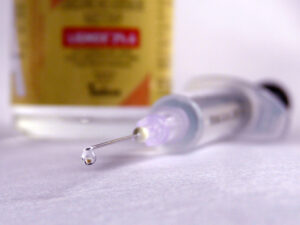
Maternal RSV Vaccine Cuts Infant Hospitalisation Risk by Half, Real-World Data Show
20/09/2026

UK vaccine uptake reaches record 89% for childhood immunisations as new respiratory syncytial virus vaccine rollout begins
04/08/2026

New RSV Vaccines Transform Prevention Strategies for Older Adults
07/07/2026

England’s weekly death toll falls below historical average as summer conditions ease pressure on health system
28/09/2026

UK childhood vaccination coverage holds steady at high levels, latest quarterly data shows
14/08/2026
Frequently asked questions 12 Q&A — structured for Google featured snippets and AI discovery
Knowledge hub: guidelines, conventions and reports
Organizations working in migration and health
Related health topics
PneumoniaInfluenzaNewborn healthPreterm birthVaccinesRespiratory disease
About this hub. Produced by the GMJ News Editorial Team as a public-good service. Every statistic is linked to its primary source. Documents are preserved in the GMJ Repository with full attribution. Georgian Medical Journal · Contact the editorial team