


Home › Topics › Schistosomiasis
Schistosomiasis
GMJ News knowledge hub · last reviewed October 2026 · Georgian Medical Journal
SummaryStatisticsGlossaryGMJ newsFAQDocumentsOrganizationsResearch
Schistosomiasis (bilharzia) — caused by parasitic blood flukes (Schistosoma species) transmitted through contact with contaminated freshwater — is the second most devastating parasitic disease after malaria, infecting approximately 240 million people and causing an estimated 200,000 deaths per year in 78 endemic countries across Africa, Latin America and Asia (WHO). Most disease burden comes from chronic infection causing liver fibrosis, portal hypertension, bladder cancer (Schistosoma haematobium), anaemia and malnutrition. Praziquantel — an inexpensive, safe drug — is the treatment of choice; mass drug administration (MDA) programmes are the primary control strategy.
Key messages
240 million infected
Schistosomiasis (bilharzia) infects approximately 240 million people — the second most devastating parasitic disease globally after malaria — causing an estimated 200,000 deaths and 1.9 million disability-adjusted life years per year (WHO).
Freshwater transmission
Schistosomiasis is transmitted through contact with freshwater contaminated with cercariae — infectious larvae released by aquatic snails. Swimming, bathing, washing or wading in infected water allows larvae to penetrate through the skin.
Two main syndromes
Urogenital schistosomiasis (S. haematobium — Africa, Middle East): haematuria, bladder fibrosis, bladder cancer, female genital schistosomiasis (FGS), male infertility. Intestinal schistosomiasis (S. mansoni, S. japonicum): liver fibrosis, portal hypertension, hepatosplenomegaly.
Praziquantel — the essential medicine
Praziquantel — a single oral dose — effectively kills adult schistosome worms and is the only available treatment. It is on the WHO Essential Medicines List, cheap (<$0.20/treatment with donated supply), and forms the basis of mass drug administration.
MDA — WHO strategy
WHO targets regular preventive chemotherapy (praziquantel) through school-based mass drug administration (MDA) for all school-aged children in endemic areas, regardless of individual diagnosis.
Female genital schistosomiasis
Female genital schistosomiasis (FGS) — poorly recognised and underdiagnosed — affects up to 40 million women, causing genital lesions, pain, abnormal bleeding, infertility and a 3-fold increased HIV susceptibility. It is one of the most neglected consequences of schistosomiasis.
Key statistics
Schistosomiasis cases requiring treatment by region — WHO 2023
Source: WHO preventive chemotherapy data. Sub-Saharan Africa dominates global burden.
Glossary of key terms
Latest GMJ coverage
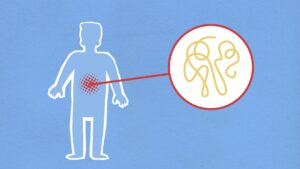
PAHO Partners with Mundo Sano Foundation to Eliminate Neglected Diseases and Cervical Cancer
29/05/2026
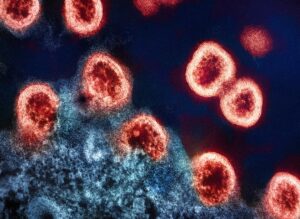
Sparganosis: A Neglected Parasitic Infection Resurfacing in Clinical Practice
17/09/2026
Frequently asked questions 12 Q&A — structured for Google featured snippets and AI discovery
Knowledge hub: guidelines, conventions and reports
Organizations working in migration and health
Related health topics
NTDsWASHBladder cancerMalariaHIV/AIDSChild health
About this hub. Produced by the GMJ News Editorial Team as a public-good service. Every statistic is linked to its primary source. Documents are preserved in the GMJ Repository with full attribution. Georgian Medical Journal · Contact the editorial team