


Home › Topics › Testosterone Boosters
Testosterone Boosters
GMJ News knowledge hub · last reviewed September 2026 · Georgian Medical Journal
SummaryStatisticsGlossaryGMJ newsFAQDocumentsOrganizationsResearch
Riding the “low T” panic and the sperm-decline discourse, testosterone boosters have become one of supplement retail’s biggest categories — and one of its emptiest: analyses of top-selling boosters find most ingredients have no human evidence of raising testosterone (and the studied ones — tribulus, D-aspartic acid — mostly fail in trials), a meaningful share of products have been found spiked with undeclared drugs including actual steroids, and the levers that genuinely move testosterone are the unsellable ones: sleep, weight loss, resistance training and treating real deficiency — while men with genuinely low levels need diagnosis and treatment (the adjacent testosterone-therapy hub), not a proprietary blend. The ingredient-by-ingredient verdicts are below (see the WHO physical activity overview).
Key messages
THE MARKET AND ITS MOMENT: monetising the “low T” discourse
Testosterone boosters — over-the-counter supplement blends promising to “naturally” raise testosterone, muscle, energy and libido — have become one of supplement retail's largest men's categories, riding a cultural wave this collection maps across adjacent hubs: the “low T” awareness marketing that built the prescription testosterone boom, the sperm-decline discourse framing modern masculinity as endocrine crisis, and an influencer economy in which testosterone functions as a virtue metric. The product logic is elegant: prescription testosterone works but requires diagnosis, medical supervision and fertility trade-offs — so the booster aisle sells the promise without the pharmacology: proprietary blends of herbs, amino acids and micronutrients implying prescription-grade effects at supplement-grade regulation. The category's defining research finding sets this hub's tone: systematic analyses of top-selling boosters found the great majority of ingredients had no human evidence of raising testosterone at all, a substantial share of products cited no supporting research for any component, and some contained ingredients with evidence of lowering it. The gap between the label's implication and the ingredient list's literature is the entire product.
THE INGREDIENT FILE: what testing actually shows, name by name
The recurring roster, scored. Tribulus terrestris — the category's historic flagship: repeatedly trialled, repeatedly null for testosterone in men (its reputation traces to animal studies and Eastern-bloc lore); D-aspartic acid: early single-study promise, subsequent trials null or negative including in trained men — a textbook single-study weaponisation arc; fenugreek: mixed small trials with libido signals and testosterone findings that wobble by assay and sponsor; tongkat ali (Eurycoma longifolia): the current headliner — small trials, mostly in stressed or ageing men, show modest hormone and libido effects worth larger studies, sponsor entanglement noted; ashwagandha: the roster's most respectable entry — several small RCTs report testosterone increases in the couple-of-hundred ng/dL range alongside cortisol and stress effects, real but modest and short-horizon; boron, maca, horny goat weed and the exotic tail: thin-to-no human hormone evidence (maca's libido findings are testosterone-independent). The two honest exceptions prove the rule: zinc and vitamin D correct testosterone only in men deficient in them — repletion physiology, not enhancement — which is precisely why they anchor every formula's citation list. Net verdict: nothing in the aisle reproduces prescription effects; the best-supported botanicals offer modest, short-term, population-specific signals at their studied doses — doses proprietary blends conceal.
THE ADULTERATION FILE: when the booster works, worry
The category's darkest corner is the products that do move the needle: regulatory testing and enforcement have repeatedly found “natural” muscle and libido supplements adulterated with undeclared pharmaceuticals — actual anabolic steroids and designer prohormones in muscle products, PDE-5 inhibitors (sildenafil analogues) in libido blends — sold to consumers who believe they are taking herbs, with the FDA's tainted-products database logging hundreds of such findings across the sports/sexual-enhancement categories and case reports documenting liver injury, failed drug tests and endocrine suppression in unwitting users. The irony completes itself: an undeclared steroid “booster” delivers exogenous androgens that suppress the user's own production — the precise opposite of the natural-optimisation pitch — while placing athletes in doping jeopardy (anti-doping bodies attribute a meaningful share of positive tests to contaminated supplements, and certification programmes like NSF Certified for Sport and Informed Sport exist precisely because the baseline shelf cannot be trusted). The practical translation is stark: in this category, a dramatic effect is a red flag, and third-party certification is not a premium feature but the minimum admission standard.
WHAT ACTUALLY MOVES TESTOSTERONE: the unsellable protocol
The evidence-backed levers are the ones no blend can bottle. Sleep: restriction to ~5 hours measurably drops young men's daytime testosterone within a week — the cheapest large effect in the file; weight: obesity is the dominant modifiable suppressor (adipose aromatisation converting testosterone to oestradiol), and meaningful weight loss in men with obesity raises levels more reliably than any supplement trial; resistance training: acute hormonal responses plus the body-composition route; alcohol moderation, and reviewing actual suppressors — opioids, glucocorticoids, and above all prior anabolic-steroid use, the under-named epidemic behind much genuine young-male hypogonadism; stress and overtraining as real but oversold modifiers. The clinical boundary belongs in the same message: persistent symptoms (libido loss, erectile dysfunction, fatigue) warrant morning blood testing and medical evaluation rather than aisle experimentation — genuine hypogonadism has causes worth finding and a real treatment pathway (the adjacent testosterone-therapy hub, with its own honest trade-offs including fertility suppression), while symptom-driven self-supplementation delays diagnosis. And the number-worship deserves its corrective: within the broad normal range, chasing higher totals buys little — symptoms, not leaderboard values, are what treatment guidelines treat.
THE CULTURAL ENGINE: testosterone as identity metric
The booster economy runs on meaning as much as molecule. The discourse stack: “low T” disease-awareness marketing that medicalised male ageing; the sperm-decline and endocrine-disruptor narratives (adjudicated in their own hubs) recast as civilisational emasculation; soy-boy and seed-oil folklore supplying dietary villains that controlled trials refute; podcast-and-influencer masculinity content in which testosterone levels function as moral scores; and the supplement industry positioned as the restoration merchant for a crisis it helps narrate. The costs are more than financial: symptom-bearing men routed to blends instead of diagnosis; young men primed toward the actual steroid pipeline (the booster aisle is documented as an on-ramp — when the herbs disappoint, the “real stuff” beckons, and steroid-induced hypogonadism follows); and a health conversation about sleep, weight and alcohol — the levers that work — drowned by one about tongkat ali dosing. This collection's standing lens applies: when a lab value becomes an identity, its marketplace stops needing evidence; the booster aisle is that principle with a black-and-red label.
PRACTICAL BOTTOM LINE
Skip the proprietary blends: the flagship ingredients are trialled-and-null (tribulus, D-aspartic acid) or modest-and-conditional (ashwagandha, tongkat ali — small studies, specific populations, single-ingredient doses the blends hide), deficiency-correctors (zinc, vitamin D) work only if you are deficient (test, don't guess), and the category's adulteration record means an effective-feeling product warrants suspicion, not celebration — third-party certification (NSF/Informed Sport) is the floor, especially for athletes. Run the protocol that actually works first: 7-9 hours' sleep, weight into the healthy range, progressive resistance training, alcohol moderated, steroid history and suppressive medications reviewed — the unsellable stack that outperforms the aisle in every honest comparison. If symptoms persist despite it: morning testosterone testing and real evaluation, because genuine hypogonadism deserves diagnosis and the treatment conversation (fertility trade-offs included) in the testosterone-therapy hub — not a subscription. And keep the cultural filter on: any content selling you testosterone as a masculinity score is selling the anxiety first and the capsules second; the number that matters is how you function, and its best boosters have never fit in a bottle.
Key statistics
~90%
of ingredients in top-selling boosters found to lack human evidence of raising testosterone in systematic label analyses — with some components evidenced to lower it
Booster-composition studies (e.g. Clemesha et al. 2020)Null
the repeated randomised verdict on tribulus terrestris and (after its single early positive) D-aspartic acid — the category's historic flagships
Ingredient RCT literatureHundreds
of sports and sexual-enhancement supplements found adulterated with undeclared steroids, prohormones and sildenafil analogues in the FDA's tainted-products database
FDA tainted supplements database~10-15%
testosterone declines measurable after one week of ~5-hour sleep restriction in healthy young men — the cheapest large effect in the file
Sleep-restriction endocrine studiesDominant
obesity's rank among modifiable testosterone suppressors — weight loss outperforming every supplement trial in men with obesity
Obesity-hypogonadism literatureSuppressive
exogenous anabolic steroids' effect on natural production — the booster aisle's documented on-ramp ending in the hypogonadism it promised to prevent
Anabolic-steroid endocrine literatureWhere the disagreement actually lies
Each claim scored by strength of evidence — not by popularity.
Proprietary booster blends raising testosterone meaningfully (unsupported)Weak · 10
Ashwagandha/tongkat ali modest conditional signals (small trials, worth larger ones)Contested · 45
Zinc/vitamin D helping non-deficient men (repletion physiology only)Weak · 20
Adulteration with undeclared drugs in the category (documented, recurring)Strong · 85
Sleep, weight and training as the real levers (well established)Strong · 90
Soy and seed oils tanking male hormones (refuted in trials)Weak · 8
Strong settledContested genuinely openWeak unsupported
Source: Editorial synthesis of ingredient trials, label analyses and adulteration records
Glossary of key terms
Latest GMJ coverage
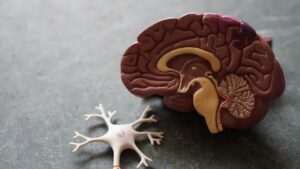
How testosterone production really works: the brain-gonad feedback loop explained
20/09/2026

How the Brain Controls Testosterone Production Through Complex Feedback Systems
22/05/2026

Traditional Chinese herb shows promise for androgenetic alopecia treatment
12/06/2026
Novel Prime-and-Pull Vaccine Strategy Shows Promise Against Genital Herpes in Preclinical Models
17/08/2026

How testosterone is really made: the brain–gonad feedback loop explained
16/08/2026

How the immune system learns to remember threats: the science of innate and adaptive immunity
03/08/2026
Frequently asked questions 12 Q&A — structured for Google featured snippets and AI discovery
Knowledge hub: guidelines, conventions and reports
Organizations working in migration and health
Related health topics
Testosterone TherapyThe Sperm Count DebateSupplementsPeptides and BiohackingMen's HealthObesity
About this hub. Produced by the GMJ News Editorial Team as a public-good service. Every statistic is linked to its primary source. Documents are preserved in the GMJ Repository with full attribution. Georgian Medical Journal · Contact the editorial team