By using this site, you agree to the Privacy Policy and Terms of Use.
Accept
GMJ NewsGMJ NewsGMJ News
  • Latest News
    • GMJ Briefs
  • Podcast & Media
    • Podcast Episodes
    • GMJ Audio
    • GMJ Videos
  • Research Digest
    • New Studies
    • Georgian Research
    • Data & Numbers
  • Policy & Systems
    • Health Policy
    • Quality & Safety
    • Migration & Health
    • Global Health
  • Practice
    • Clinical Updates
    • Case Discussions
    • Pharmacy & Prescribing
    • Ingredients A-Z
  • Perspectives
    • Editorial
    • Explainers
    • Voices
    • Letters
  • GMJ Articles
    • Vol. 1 Issue 2 (2026)
    • Vol. 1 Issue 1 (2026)
    • Pre-Launch Articles (2025)
  • Read the Journal →
  • About GMJ News
Notification Show More
Font ResizerAa
GMJ NewsGMJ News
Font ResizerAa
  • Latest News
    • GMJ Briefs
  • Podcast & Media
    • Podcast Episodes
    • GMJ Audio
    • GMJ Videos
  • Research Digest
    • New Studies
    • Georgian Research
    • Data & Numbers
  • Policy & Systems
    • Health Policy
    • Quality & Safety
    • Migration & Health
    • Global Health
  • Practice
    • Clinical Updates
    • Case Discussions
    • Pharmacy & Prescribing
    • Ingredients A-Z
  • Perspectives
    • Editorial
    • Explainers
    • Voices
    • Letters
  • GMJ Articles
    • Vol. 1 Issue 2 (2026)
    • Vol. 1 Issue 1 (2026)
    • Pre-Launch Articles (2025)
  • Read the Journal →
  • About GMJ News
Follow US
GMJ News > Policy & Systems > Migration & Health > UNICEF Calls for Equal Access to National Exams for All Sudanese Students Amid Ongoing Crisis
Migration & HealthPolicy & Systems

UNICEF Calls for Equal Access to National Exams for All Sudanese Students Amid Ongoing Crisis

GMJ
Last updated: 23/06/2026 18:42
By
GMJ Policy Desk
Share
5 Min Read
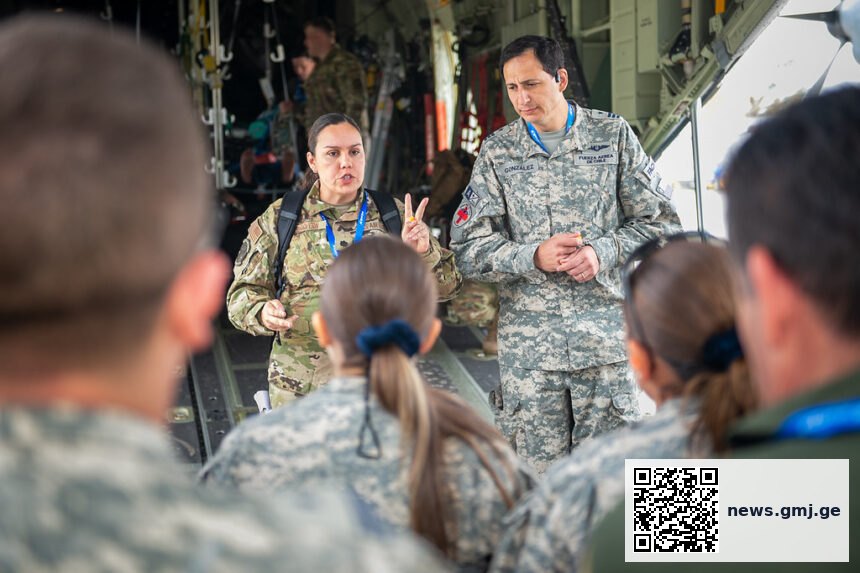
Sudanese students in classroom setting representing educational access challengesIllustrative image · "Texas National Guard" by The National Guard is licensed under CC BY 2.0. To view a copy of this license, visit https://creativecommons.org/licenses/by/2.0/. (CC BY 2.0)
UNICEF calls for equal access to national examinations for all Sudanese students amid ongoing conflict that has displaced millions and disrupted educational systems. The organization emphasizes the fundamental right to education during humanitarian crises. — "Texas National Guard" by The National Guard is licensed under CC BY 2.0. To view a copy of this license, visit https://creativecommons.org/licenses/by/2.0/. (CC BY 2.0)
SHARE
3 min read|599 words
✓ Reviewed by Prof. Giorgi Pkhakadze, MD, MPH, PhD · ORCID 0000-0001-7609-4515

The United Nations Children’s Fund (UNICEF) has called for equal access to national examinations for all Sudanese students, regardless of their location, as the country’s ongoing conflict continues to disrupt education systems and displace millions of children.

Contents
    • Key takeaways
      • Educational Crisis Impact in Sudan
  • UNICEF’s Call for Educational Equity
  • Educational Disruption and Displacement
  • International Response and Support Mechanisms
    • What this means
  • Frequently asked questions
    • How does conflict affect educational access in Sudan?
    • What role does UNICEF play in educational emergencies?
    • Why are national exams important for displaced students?

Key takeaways

  • UNICEF demands equal exam access for all Sudanese students amid ongoing crisis
  • Educational disruption affects millions of displaced children across Sudan
  • International support needed to maintain educational continuity during conflict
Millions
of Sudanese children affected by educational disruption due to ongoing conflict

Educational Crisis Impact in Sudan

Key areas affected by educational disruption, 2024

Millions
Students affected
National
Exam access needed
Crisis
Level response

Source: UNICEF, 2024 | Georgian Medical Journal News

UNICEF’s Call for Educational Equity

UNICEF has emphasized the critical importance of ensuring that all Sudanese students, regardless of their current location or displacement status, have equal opportunities to participate in national examinations. This call comes as Sudan’s educational infrastructure faces unprecedented challenges due to the ongoing conflict.

Submit Your Paper
GMJ_Submit_Banner

The organization’s statement highlights the fundamental right to education, which remains essential even during times of crisis and displacement. Educational continuity serves as a crucial foundation for children’s development and future opportunities, particularly in conflict-affected regions.

🎙️ Related Podcast Episodes
🎧 #16 | WHO Prequalifies New Oral Polio Vaccine to Strengthen Global Eradication Efforts · 20m
🎧 #15 | WHO: One in Two People Facing Cataract Blindness Still Need Access to Surgery · 21m
🎧 #51 | GMJ Podcast | Global Health, Migration, and Health Systems Resilience · 14m
🎧 #50 | GMJ Podcast | Inclusive Health for Refugees and Migrants: WHO Reports Global Progress and Remaining Gaps · 17m
🎧 #32 | GMJ Podcast | Launch of the Georgian Medical Journal — A New International Platform for Medical Science · 5m

Educational Disruption and Displacement

The current crisis in Sudan has resulted in massive displacement of populations, with particular impact on children and their access to educational services. Schools across the country have been affected by the conflict, creating significant barriers to educational continuity.

According to UNICEF’s emergency response framework, maintaining educational access during conflicts is critical for both immediate child welfare and long-term recovery. The organization has been working to support educational systems in various conflict-affected regions globally.

For comprehensive coverage of global health emergencies, see our Global Health section, which tracks international health crises and their impacts on vulnerable populations.

International Response and Support Mechanisms

The international community’s response to educational crises in conflict zones typically involves multiple UN agencies and humanitarian organizations working to maintain educational continuity. These efforts often include establishing temporary learning spaces, providing educational materials, and ensuring exam access for displaced students.

UNICEF’s advocacy for equal exam access represents part of broader humanitarian efforts to protect children’s rights during conflicts. The organization works alongside other UN agencies to address educational needs in emergency situations.

Our Migration & Health section provides ongoing coverage of health and educational challenges facing displaced populations worldwide.

All Sudanese students must have equal opportunity to sit national exams wherever they are, ensuring educational continuity despite ongoing crisis.

— UNICEF Press Release (2024)

What this means

For students: Displaced Sudanese students should maintain hope for educational continuity and future opportunities despite current challenges
For educators: Educational professionals must advocate for flexible examination systems that accommodate crisis-affected populations
For policymakers: Governments and international bodies need robust frameworks ensuring educational access during humanitarian emergencies

Frequently asked questions

How does conflict affect educational access in Sudan?

Armed conflict disrupts school operations, displaces families, and damages educational infrastructure, creating barriers to normal educational processes including national examinations.

What role does UNICEF play in educational emergencies?

UNICEF coordinates international responses to protect children’s educational rights during crises, working with governments and partners to maintain learning opportunities.

Why are national exams important for displaced students?

National examinations provide pathways to higher education and employment opportunities, making them crucial for displaced students’ long-term recovery and development.

The situation in Sudan underscores the critical importance of maintaining educational systems during humanitarian crises. As international organizations continue their advocacy efforts, the focus remains on ensuring that conflict does not permanently derail children’s educational futures and opportunities for recovery.

Source: UNICEF: All Sudanese students must have equal opportunity to sit national exams wherever they are

Was this article helpful?

Disclaimer. This article is health journalism intended for general information and education. It is not medical advice and is not a substitute for professional diagnosis or treatment. Always consult a qualified healthcare provider about your individual circumstances. Full disclaimer →

Related Coverage
UNICEF Names 17-Year-Old Barcelona Star Lamine Yamal as Goodwill AmbassadorJun 26, 2026
FDA Issues Early Alert for Hamilton Medical Ventilator Circuit Obstruction RiskJun 26, 2026
CDC Staff Report Agency Capacity Weakened by Budget Cuts, Survey FindsJun 26, 2026
American Diabetes Association CEO Apologizes After Members Expelled from Annual ConventionJun 26, 2026
PG
Written by
Prof. Giorgi Pkhakadze, MD, MPH, PhD
Editor-in-Chief, GMJ News
Full profile →  ·  ORCID 0000-0001-7609-4515
Medical disclaimer. This article is health journalism intended for general information. It is not medical advice and is not a substitute for consultation with a qualified healthcare professional. Always seek your physician's advice regarding any medical condition.
Medically reviewed by Prof. Giorgi Pkhakadze, MD, MPH, PhD. Spotted an error? Contact the editorial team.
Get the GMJ News digest
Evidence-based health journalism in your inbox. No spam; unsubscribe anytime.
TAGGED:educationhumanitarian crisisstudent rightsSudanUNICEF
Share This Article
Facebook LinkedIn Bluesky Copy Link Print
GMJ
ByGMJ Policy Desk
Follow:
GMJ Policy Desk is part of GMJ News, the newsroom of the Georgian Medical Journal (gmj.ge), published by the Public Health Institute of Georgia. Every article is editorially reviewed before publication.
Leave a Comment Leave a Comment

Leave a Reply Cancel reply

Your email address will not be published. Required fields are marked *

Submit Your Paper →

Georgia's peer-reviewed open-access medical journal. No APC until January 2027.
Submit Manuscript →
Home Blood Pressure Monitoring Reduces Heart Attack and Stroke Risk by 36%

New research shows home blood pressure monitoring with digital data sharing reduces…

UNICEF Names 17-Year-Old Barcelona Star Lamine Yamal as Goodwill Ambassador

UNICEF appoints 17-year-old Barcelona footballer Lamine Yamal as Goodwill Ambassador, making him…

FDA Issues Early Alert for Hamilton Medical Ventilator Circuit Obstruction Risk

FDA issues early safety alert for Hamilton Medical ventilator breathing circuits due…

Submit Your Paper to GMJ

No APC until January 2027.
Submit Manuscript →

You Might Also Like

Healthcare professionals discussing staffing challenges and mental health service gapsIllustrative image · Photo by www.kaboompics.com on Pexels (Pexels License)
Health PolicyPolicy & Systems

Healthcare Workers Face Critical Shortages as Mental Health Crisis Deepens

By
GMJ Policy Desk
23/06/2026
MHRA medical device exceptional use authorisations registry documentationIllustrative image · Photo by Tara Winstead on Pexels (Pexels License)
Health PolicyPolicy & SystemsQuality & Safety

MHRA Publishes Updated List of Medical Devices with Exceptional Use Authorisations

By
GMJ Policy Desk
17/06/2026
NAFDAC laboratory testing bread samples for food safety compliance investigation
Health Policy

NAFDAC Investigation Finds Popular Nigerian Bread Safe Despite Extended Shelf Life

By
GMJ Policy Desk
21/05/2026
Infographic showing wildlife deaths from lead ammunition poisoning with statistics and affected species
Global HealthPolicy & Systems

WOAH Calls for Global Phase-Out of Lead Hunting Ammunition to Protect Wildlife and Human Health

By
GMJ Policy Desk
29/05/2026
Facebook Twitter Youtube Instagram
Company
  • Privacy Policy
  • Contact US
  • GMJ Journal
  • Submit Manuscript
  • Editorial Team
  • Register at GMJ
  • Terms of Use

Subscribe to GMJ News — Click here

Join Community
© 2026 Georgian Medical Journal (GMJ). Published by the Public Health Institute of Georgia (PHIG). All rights reserved.
Welcome Back!

Sign in to your account

Username or Email Address
Password

Lost your password?

Not a member? Sign Up