Updated 13/09/2026
🟠 Moderate Evidence
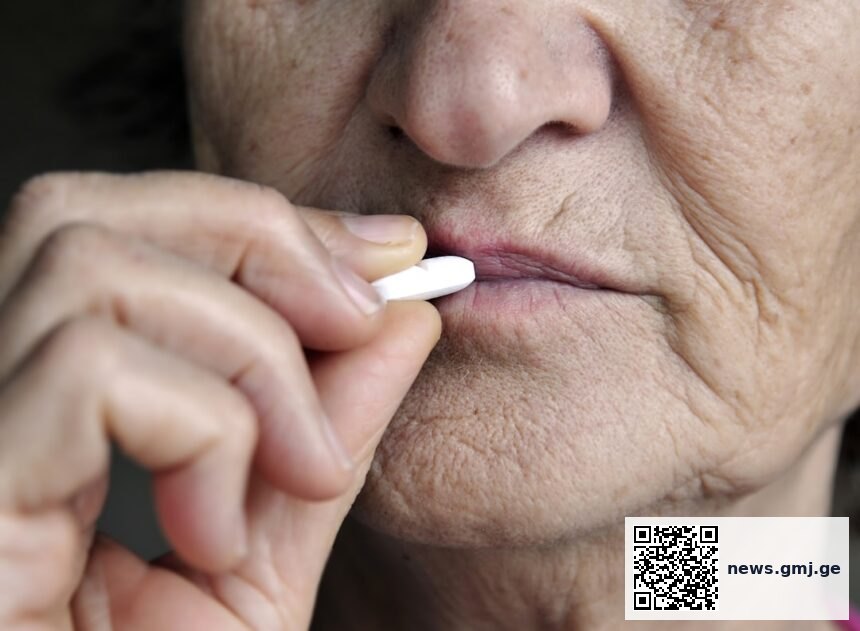
A new all-oral drug combination for older patients with acute myeloid leukemia (AML) has demonstrated effectiveness as an alternative to current intravenous treatments, potentially eliminating the need for monthly hospital visits, according to the ASCERTAIN V clinical trial. The trial showed that combining two oral medications—decitabine-cedazuridine and venetoclax—achieved strong response rates and survival outcomes in elderly AML patients.
Key takeaways
- All-oral AML treatment combination shows effectiveness as alternative to IV therapy in ASCERTAIN V Phase I/II trial
- Treatment could allow older patients to avoid monthly hospital visits for intravenous treatments
- Trial led by Weill Cornell Medicine, NewYork-Presbyterian, Yale University and MD Anderson Cancer Center
Study at a Glance
| Source | ASCERTAIN V Trial |
| Study type | Phase I/Phase II Clinical Trial |
| Sample size | Older AML patients |
| Population | Elderly patients with acute myeloid leukemia |
| Country | International (US-led) |
AML Treatment Burden Comparison
Current IV therapy vs. new oral combination for older patients

Source: ASCERTAIN V Trial, 2026 | Georgian Medical Journal News
Breakthrough for Elderly Cancer Patients
The ASCERTAIN V trial, led by researchers at Weill Cornell Medicine, NewYork-Presbyterian, Yale University and MD Anderson Cancer Center, represents an advance in AML treatment for older adults. Current standard therapy requires patients to travel repeatedly to medical facilities for intravenous drug administration.
The oral combination therapy consists of decitabine-cedazuridine paired with venetoclax. This approach could transform care delivery for elderly AML patients.
Clinical Trial Results Show Promise
The international Phase I/Phase II trial demonstrated that the all-oral regimen achieved strong response rates and survival outcomes, according to the ASCERTAIN V research team. The trial showed the treatment could serve as an effective alternative to current intravenous treatments.
Patients in the study took the oral medication combination, eliminating the need for repeated IV infusions that typically require hospital or office visits. The National Cancer Institute notes that AML treatment burden is particularly challenging for elderly patients.
Implications for Cancer Care Delivery
The oral treatment approach addresses challenges in AML care, particularly for patients who face barriers with current intravenous treatment requirements. Traditional treatment requires repeated hospital or office visits for intravenous administration, as noted in the ASCERTAIN V trial findings.
The ASCERTAIN V study builds on research into oral formulations of cancer drugs for elderly patients who typically struggle with intensive treatment regimens.
The all-oral drug combination for older AML patients demonstrated effectiveness as an alternative to current intravenous treatments while eliminating repeated hospital visits
— ASCERTAIN V Trial findings, Weill Cornell Medicine-led research team (Clinical trial results, 2026)
What this means
Frequently asked questions
How effective is the new oral AML treatment compared to IV therapy?
The ASCERTAIN V trial showed that the oral combination achieved strong response rates and survival outcomes. The two-pill regimen of decitabine-cedazuridine and venetoclax demonstrated effectiveness as an alternative to current intravenous treatments in older patients.
Which patients would be eligible for this oral treatment?
The treatment was studied in the ASCERTAIN V trial specifically in older patients with acute myeloid leukemia, who typically struggle with intensive treatment regimens. Final eligibility criteria will depend on regulatory approval and clinical guidelines.
When might this oral treatment become available to patients?
The treatment is currently in clinical trials, with the ASCERTAIN V study providing Phase I/II evidence. Availability will depend on completion of further studies and regulatory approval processes.
The ASCERTAIN V trial findings suggest that oral AML therapy in elderly patients could provide an alternative to current treatments requiring repeated hospital or office visits for intravenous administration.
Source: FDA-approved oral AML therapy could let older patients avoid monthly infusion visits
🗺️ Find certified Georgian healthcare providers: sheniekimi.ge — Georgia Health Map · 998 clinics · 6,600+ doctors · 2,296 pharmacies
Was this article helpful?
Disclaimer. This article is health journalism intended for general information and education. It is not medical advice and is not a substitute for professional diagnosis or treatment. Always consult a qualified healthcare provider about your individual circumstances. Full disclaimer →
Related Coverage



Editorial standards. This article was produced under the GMJ News editorial process, with oversight by the GMJ Editorial Board. Our editorial process. Spotted an error? Contact the editorial team.