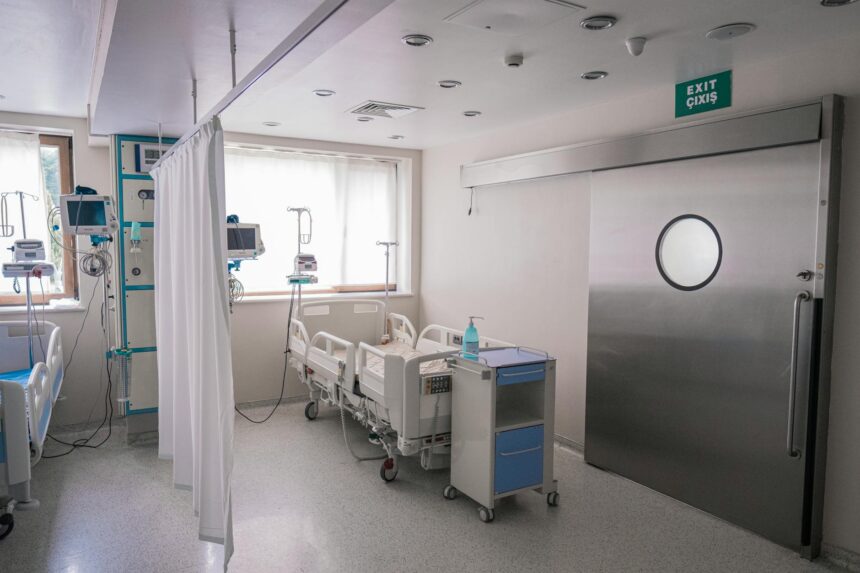
England’s National Health Service has intensified its response to healthcare-associated infections through an expanded government surveillance programme that monitors four major pathogenic threats across hospital trusts. New data reveals shifting patterns in MRSA, MSSA, Gram-negative bacteria, and Clostridioides difficile infections, underscoring the persistent challenge of antimicrobial resistance in clinical settings.
The mandatory reporting system requires all NHS acute trusts to submit detailed infection data classified by pathogen type and onset location, distinguishing between community-acquired and hospital-acquired cases. This granular approach enables healthcare organisations to identify transmission patterns and implement targeted infection prevention strategies. According to the UK Health Security Agency, this surveillance framework represents one of the world’s most comprehensive national monitoring systems, providing real-time epidemiological intelligence essential for patient safety and quality improvement initiatives across the healthcare system.
Was this article helpful?