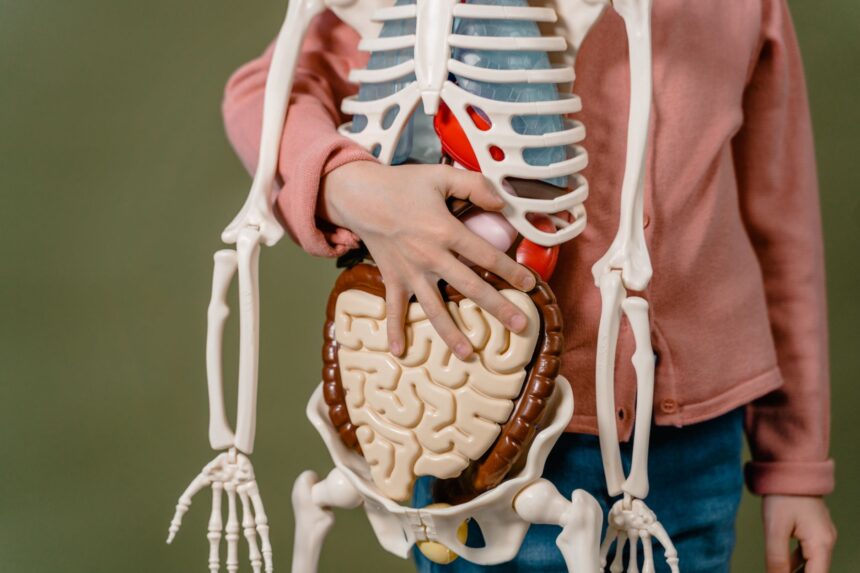
Recent neuroimaging research has quantified a previously theoretical connection: intermittent fasting produces measurable, simultaneous changes in both brain activity and gut microbiota composition. Study findings revealed that participants following time-restricted eating protocols demonstrated reduced activity in appetite-control brain regions while experiencing significant shifts toward healthier bacterial profiles in their gastrointestinal systems.
This coordinated biological response appears critical to weight management success. The data suggest that these two systems do not operate independently but rather communicate through a sophisticated gut-brain axis. Participants reported decreased food cravings and enhanced ability to resist calorie-dense foods alongside their microbiota improvements. Understanding this dual mechanism provides valuable insight into why intermittent fasting may be more effective than approaches targeting only dietary restriction or behavioral change alone.
Read the full article on GMJ Newsroom.
Was this article helpful?