By using this site, you agree to the Privacy Policy and Terms of Use.
Accept
GMJ NewsGMJ NewsGMJ News
  • Latest News
    • GMJ Briefs
  • Podcast & Media
    • Podcast Episodes
    • GMJ Audio
    • GMJ Videos
  • Research Digest
    • New Studies
    • Georgian Research
    • Data & Numbers
  • Policy & Systems
    • Health Policy
    • Quality & Safety
    • Migration & Health
    • Global Health
  • Practice
    • Clinical Updates
    • Case Discussions
    • Pharmacy & Prescribing
    • Ingredients A-Z
  • Perspectives
    • Editorial
    • Explainers
    • Voices
    • Letters
  • GMJ Articles
    • Vol. 1 Issue 2 (2026)
    • Vol. 1 Issue 1 (2026)
    • Pre-Launch Articles (2025)
  • Read the Journal →
  • About GMJ News
Notification Show More
Font ResizerAa
GMJ NewsGMJ News
Font ResizerAa
  • Latest News
    • GMJ Briefs
  • Podcast & Media
    • Podcast Episodes
    • GMJ Audio
    • GMJ Videos
  • Research Digest
    • New Studies
    • Georgian Research
    • Data & Numbers
  • Policy & Systems
    • Health Policy
    • Quality & Safety
    • Migration & Health
    • Global Health
  • Practice
    • Clinical Updates
    • Case Discussions
    • Pharmacy & Prescribing
    • Ingredients A-Z
  • Perspectives
    • Editorial
    • Explainers
    • Voices
    • Letters
  • GMJ Articles
    • Vol. 1 Issue 2 (2026)
    • Vol. 1 Issue 1 (2026)
    • Pre-Launch Articles (2025)
  • Read the Journal →
  • About GMJ News
Follow US
GMJ News > Practice > Clinical Updates > Weekly semaglutide outperforms dulaglutide for diabetes control in UK primary care study
Clinical UpdatesNew StudiesPracticeResearch Digest

Weekly semaglutide outperforms dulaglutide for diabetes control in UK primary care study

GMJ
Last updated: 15/06/2026 12:25
By
GMJ Practice Desk
Share
6 Min Read
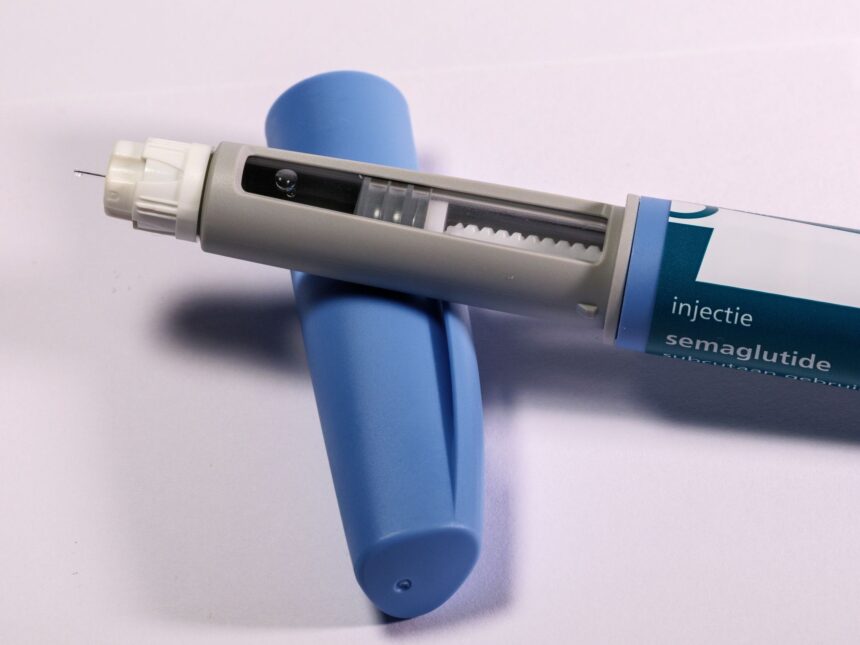
Chart comparing semaglutide and dulaglutide effectiveness in type 2 diabetes treatmentIllustrative image · Photo by Haberdoedas Photography on Pexels (Pexels License)
Large UK study shows weekly semaglutide provides superior blood sugar control and weight loss compared to dulaglutide in type 2 diabetes patients. Real-world evidence supports preferential use in clinical practice. — Photo by Haberdoedas Photography on Pexels (Pexels License)
SHARE
4 min read|779 words
✓ Medically reviewed by Prof. Giorgi Pkhakadze, MD, MPH, PhD · ORCID 0000-0001-7609-4515

🟢 Strong Evidence

Contents
    • Key takeaways
      • Study at a Glance
      • Semaglutide shows superior effectiveness across key diabetes outcomes
  • Real-world evidence confirms clinical trial findings
  • Superior metabolic outcomes with comparable safety
  • Implications for diabetes treatment selection
  • Growing evidence base for personalized diabetes care
    • What this means
  • Frequently asked questions
    • How significant is a 0.20% difference in HbA1c reduction?
    • Are there differences in side effects between semaglutide and dulaglutide?
    • Should all patients switch from dulaglutide to semaglutide?

Weekly injectable semaglutide delivers superior blood sugar control and weight loss compared to dulaglutide in patients with type 2 diabetes, according to a large UK population-based study. The research, published in The Lancet Regional Health – Europe, analyzed real-world effectiveness data from 6,103 adults starting either medication in UK primary care settings.

Key takeaways

  • Semaglutide users achieved 0.20% greater HbA1c reduction compared to dulaglutide over 12 months
  • Weight loss was 2.06 kg greater with semaglutide versus dulaglutide treatment
  • Safety profiles were comparable between both weekly GLP-1 receptor agonists
  • Benefits occurred in both trial-eligible and real-world patient populations

Study at a Glance

Source The Lancet Regional Health – Europe
Study type Population-based cohort study
Sample size N = 6,103
Population Adults with type 2 diabetes starting GLP-1 therapy
Country United Kingdom
2.06 kg
Additional weight loss with semaglutide versus dulaglutide at 12 months

Semaglutide shows superior effectiveness across key diabetes outcomes

Difference in clinical improvements at 12 months compared to dulaglutide

Weight loss (kg)
2.06
HbA1c reduction (%)
0.20
Systolic BP (mmHg)
1.12

Source: The Lancet Regional Health – Europe, 2026 | Georgian Medical Journal News

Submit Your Paper
GMJ_Submit_Banner

Real-world evidence confirms clinical trial findings

The study, led by researchers at the University of Surrey, used the UK’s Clinical Practice Research Datalink to track 3,227 semaglutide users and 2,876 dulaglutide users between 2018 and 2022. This represents one of the largest head-to-head comparisons of these GLP-1 receptor agonists in routine clinical practice.

🎙️ Related Podcast Episodes
🎧 #45 | GMJ Podcast | Tskaltubo Mineral Baths in Osteoarthritis — Microcirculation, Erythrocytes, and Clinical Effects · 18m
🎧 #14 | WHO: Four in Ten Cancer Cases Could Be Prevented Globally · 16m

“The benefits we observed with semaglutide were consistent across both trial-eligible patients and those who typically wouldn’t qualify for randomized controlled trials,” according to the study authors. This finding addresses a critical gap between controlled trial populations and the diverse patients seen in everyday clinical practice.

Superior metabolic outcomes with comparable safety

At 12 months follow-up, semaglutide users experienced a mean additional HbA1c reduction of 0.20 percentage points compared to dulaglutide users (95% CI: -0.33 to -0.07). The World Health Organization considers HbA1c reductions of this magnitude clinically meaningful for diabetes management.

Weight loss differences were particularly pronounced, with semaglutide users losing an average of 2.06 kg more than dulaglutide users (95% CI: -3.24 to -0.88). Both medications showed similar rates of discontinuation and adverse events, suggesting comparable tolerability profiles.

Implications for diabetes treatment selection

The findings support UK clinical guidelines that increasingly favor semaglutide for patients with type 2 diabetes requiring injectable therapy. The study’s population-based design provides confidence that benefits translate beyond carefully selected trial participants to the broader diabetes population.

Both medications belong to the GLP-1 receptor agonist class, which works by mimicking hormones that regulate blood sugar and slow gastric emptying. The superior effectiveness of semaglutide may relate to its longer half-life and higher receptor binding affinity, according to pharmacological studies published in diabetes research journals.

Growing evidence base for personalized diabetes care

The research adds to mounting evidence supporting individualized approaches to diabetes medication selection. Previous meta-analyses have suggested similar patterns favoring semaglutide, but this study’s large sample size and real-world setting strengthen confidence in the findings.

Healthcare systems worldwide are grappling with optimal allocation of these newer, more expensive diabetes medications. The Centers for Disease Control and Prevention estimates that diabetes affects over 37 million Americans, with type 2 diabetes representing 90-95% of cases.

Semaglutide users achieved 0.20% greater HbA1c reduction and 2.06 kg additional weight loss compared to dulaglutide users at 12 months

— University of Surrey researchers (The Lancet Regional Health – Europe, 2026)

What this means

For patients: Those starting weekly injectable diabetes medication may experience better blood sugar control and weight loss with semaglutide versus dulaglutide
For clinicians: Real-world data supports preferential prescribing of semaglutide when choosing between these GLP-1 receptor agonists
For policymakers: Cost-effectiveness analyses should incorporate superior clinical outcomes when determining formulary placement for diabetes medications

Frequently asked questions

How significant is a 0.20% difference in HbA1c reduction?

This magnitude of HbA1c improvement is considered clinically meaningful by diabetes organizations. Even small improvements in HbA1c translate to reduced risk of diabetes complications over time.

Are there differences in side effects between semaglutide and dulaglutide?

The study found comparable safety profiles between both medications. Common side effects for both drugs include nausea, vomiting, and gastrointestinal symptoms, particularly when starting treatment.

Should all patients switch from dulaglutide to semaglutide?

Treatment decisions should always involve individual consultation with healthcare providers. Patients who are stable and responding well to dulaglutide may not need to switch medications.

This population-based evidence strengthens the case for semaglutide as a first-line choice among weekly GLP-1 receptor agonists for type 2 diabetes. As healthcare systems continue optimizing diabetes care pathways, such real-world effectiveness data becomes increasingly valuable for evidence-based prescribing decisions. The study’s inclusion of both trial-eligible and non-eligible patients provides reassurance that benefits extend across the diverse diabetes population seen in routine clinical practice.

Source: Comparative Effectiveness and Safety of Once-Weekly Injectable Semaglutide Versus Dulaglutide in Individuals with Type 2 Diabetes Managed in UK Primary Care

Was this article helpful?

Disclaimer. This article is health journalism intended for general information and education. It is not medical advice and is not a substitute for professional diagnosis or treatment. Always consult a qualified healthcare provider about your individual circumstances. Full disclaimer →

Related Coverage

Climate Change Linked to Rising Antimicrobial Resistance in Salmonella GloballyJun 18, 2026
Warning Labels on Restaurant Menus Cut Sugar Orders by 31%, Major US Trial ShowsJun 18, 2026
Harold Ellis, Renowned Surgeon and Anatomy Educator, Dies at 100Jun 18, 2026
Five Flavanol-Rich Foods Can Significantly Reduce Heart Disease Risk, New Study FindsJun 17, 2026
Related reference
  • Type 2 Diabetes · Condition
  • Semaglutide · Drug
  • Dulaglutide · Drug
PG
Written by
Prof. Giorgi Pkhakadze, MD, MPH, PhD
Editor-in-Chief, GMJ News
Full profile →
Medical disclaimer. This article is health journalism intended for general information. It is not medical advice and is not a substitute for consultation with a qualified healthcare professional. Always seek your physician's advice regarding any medical condition.
Medically reviewed by Prof. Giorgi Pkhakadze, MD, MPH, PhD. Spotted an error? Contact the editorial team.

Get the GMJ News digest
Evidence-based health journalism in your inbox. No spam; unsubscribe anytime.
TAGGED:diabetesdulaglutideGLP-1semaglutideUK
Share This Article
Facebook LinkedIn Bluesky Copy Link Print
GMJ
ByGMJ Practice Desk
Follow:
GMJ Practice Desk is part of GMJ News, the newsroom of the Georgian Medical Journal (gmj.ge), published by the Public Health Institute of Georgia. Every article is editorially reviewed before publication.
Leave a Comment Leave a Comment

Leave a Reply Cancel reply

Your email address will not be published. Required fields are marked *

Submit Your Paper →

Georgia's peer-reviewed open-access medical journal. No APC until January 2027.
Submit Manuscript →
US Dietary Guidelines 2025-2030: Mixed Progress on Nutrition as Implementation Challenges Persist

New US Dietary Guidelines for 2025-2030 show incremental progress in nutrition science…

Medical Professionals Face Involuntary Practice Closure: NEJM Analysis Reveals Growing Healthcare Access Crisis

New NEJM analysis reveals growing crisis of involuntary medical practice closures affecting…

Climate Coalition Proposes Fossil Fuel Phase-Out After UN Process Stalls

Netherlands and Colombia launch coalition of willing nations to phase out fossil…

Submit Your Paper to GMJ

No APC until January 2027.
Submit Manuscript →

You Might Also Like

Scientific illustration of gut-brain connection and parasitic organismsIllustrative image · Photo by Erik Karits on Pexels (Pexels License)
New StudiesResearch Digest

Gut Parasites May Manipulate Human Behavior, New Research Suggests

By
GMJ Research Desk
15/06/2026
Diagram showing hematopoietic stem cell differentiation into various blood cell types
New StudiesResearch Digest

Single Stem Cell Origin of Human Immune System Reveals Complex Blood Formation Process

By
GMJ Research Desk
27/05/2026
Illustration of cancer cell molecular resistance pathways to chemotherapy drugs
New Studies

Why Some Cancers Evade Chemotherapy: New Mechanism Identified

By
GMJ Research Desk
19/05/2026
Laboratory illustration of enterovirus D68 vaccine development and viral structure
New StudiesResearch Digest

Enterovirus D68 vaccine shows promise in primate trial targeting severe childhood paralysis

By
GMJ Research Desk
07/06/2026
Facebook Twitter Youtube Instagram
Company
  • Privacy Policy
  • Contact US
  • GMJ Journal
  • Submit Manuscript
  • Editorial Team
  • Register at GMJ
  • Terms of Use

Subscribe to GMJ News — Click here

Join Community
© 2026 Georgian Medical Journal (GMJ). Published by the Public Health Institute of Georgia (PHIG). All rights reserved.
Welcome Back!

Sign in to your account

Username or Email Address
Password

Lost your password?

Not a member? Sign Up