Updated 13/09/2026
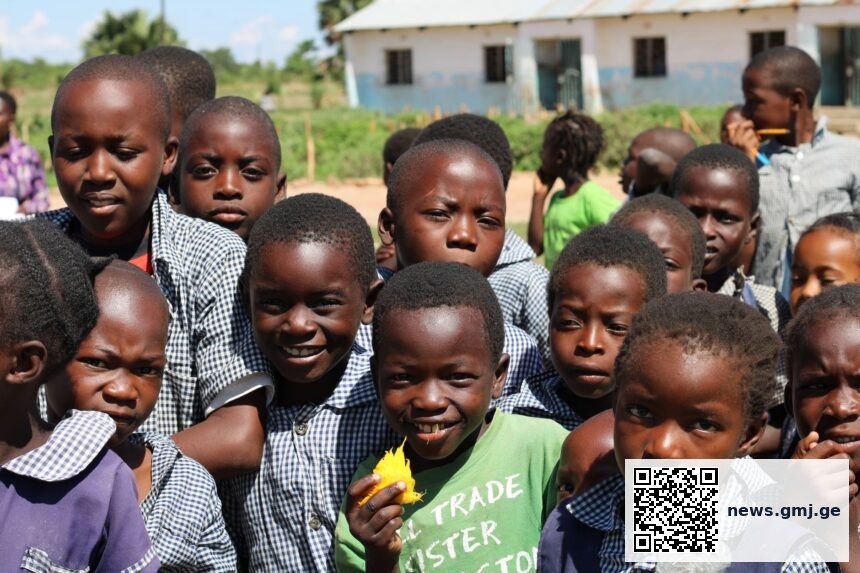
The United Nations Children’s Fund has issued an urgent call for the protection of children, educational facilities, and health services in Mali following a series of deadly attacks that have devastated civilian infrastructure. The appeal comes as violence continues to threaten the safety of Mali’s most vulnerable populations, particularly children who depend on schools and healthcare facilities for their basic needs and development.
Children in Need of Humanitarian Assistance Across the Sahel
Millions of children requiring emergency support, 2024 estimates
Source: UNICEF Humanitarian Action for Children 2024 | Georgian Medical Journal News

Escalating Violence Threatens Educational Infrastructure
Mali’s education system faces unprecedented challenges as armed groups continue to target schools and educational facilities across the country. UNICEF’s education in emergencies programme has documented systematic attacks on learning institutions, forcing thousands of children out of school and disrupting their fundamental right to education.
The attacks represent a violation of international humanitarian law, which explicitly protects civilian infrastructure including schools and hospitals during armed conflict. These facilities serve as lifelines for communities, providing not only education and healthcare but also nutrition programmes and psychosocial support for traumatised children. For more analysis on education in crisis zones, see our global health coverage.
The deteriorating security situation has created a humanitarian crisis that extends far beyond immediate physical harm, affecting children’s long-term development and the country’s future stability.
Healthcare System Under Siege
Health facilities across Mali have become targets in the ongoing conflict, severely limiting access to essential medical services for children and families. The World Health Organization’s emergency response unit has reported multiple incidents where healthcare workers have been forced to abandon their posts due to security threats.
The targeting of health infrastructure creates cascading effects on public health, particularly for maternal and Child Health Services">child health services. Vaccination programmes, malnutrition treatment, and emergency medical care become inaccessible when facilities are attacked or threatened. Our migration and health section provides additional context on healthcare access in conflict zones.
Medical neutrality, a cornerstone of international humanitarian law, requires all parties to conflict to respect and protect healthcare facilities, personnel, and patients. The deliberate targeting of these facilities constitutes a war crime under international law.
Regional Implications for Child Welfare
The crisis in Mali reflects broader challenges facing the Sahel region, where multiple countries struggle with security threats that directly impact child welfare and development. ReliefWeb’s monitoring of the Sahel crisis shows a pattern of attacks on civilian infrastructure across Burkina Faso, Niger, and Mali.
The regional nature of the crisis requires coordinated international response efforts to protect children and ensure continued access to basic services. Cross-border movement of armed groups and the interconnected nature of local conflicts mean that solutions must address both immediate protection needs and longer-term stability. UNHCR’s Sahel crisis response highlights the displacement patterns affecting millions of children across the region.
Educational disruption and healthcare access limitations create long-term developmental challenges that extend beyond the immediate conflict period, affecting an entire generation’s prospects for health and prosperity.
International Response and Protection Measures
UNICEF’s call for protection emphasises the urgent need for all parties to respect international humanitarian law and ensure the safety of civilian infrastructure. The organisation has deployed emergency response teams to support affected communities while advocating for strengthened protection mechanisms.
The international community’s response includes both immediate humanitarian assistance and longer-term support for rebuilding essential services. UN OCHA’s coordination of humanitarian response in Mali demonstrates the scale of support required to address the crisis effectively.
Protection efforts must encompass not only physical security but also the continuation of essential services that support child development and community resilience in the face of ongoing threats.
Children in Mali face multiple threats to their safety and development, with 2.3 million requiring humanitarian assistance as attacks on civilian infrastructure continue to disrupt essential services.
— UNICEF Humanitarian Action for Children 2024 Report
Key takeaways
- UNICEF reports 2.3 million children in Mali need humanitarian assistance following escalating attacks on civilian infrastructure
- Schools and health facilities face systematic targeting in violation of international humanitarian law
- The crisis reflects broader regional challenges across the Sahel affecting millions of children’s access to basic services
Frequently asked questions
Why are schools and hospitals being targeted in Mali?
Armed groups target civilian infrastructure as part of broader conflict strategies aimed at weakening government authority and community structures. These attacks violate international humanitarian law, which requires protection of educational and healthcare facilities during armed conflict.
How many children are affected by the crisis in Mali?
According to UNICEF’s 2024 humanitarian action report, 2.3 million children in Mali require humanitarian assistance. The broader Sahel crisis affects millions more children across the region.
What international laws protect schools and hospitals during conflict?
International humanitarian law, including the Geneva Conventions, explicitly protects civilian infrastructure including schools and hospitals. Deliberate attacks on healthcare facilities constitute war crimes under the Rome Statute of the International Criminal Court.
The international community must strengthen its commitment to protecting children in Mali and across the Sahel region, ensuring that schools and health facilities remain safe spaces for development and healing. Sustained diplomatic pressure and humanitarian support will be essential to address both immediate protection needs and the underlying factors driving conflict in the region.
🗺️ Find certified Georgian healthcare providers: sheniekimi.ge — Georgia Health Map · 998 clinics · 6,600+ doctors · 2,296 pharmacies
Was this article helpful?
Disclaimer. This article is health journalism intended for general information and education. It is not medical advice and is not a substitute for professional diagnosis or treatment. Always consult a qualified healthcare provider about your individual circumstances. Full disclaimer →
Related Coverage

Editorial standards. This article was produced under the GMJ News editorial process, with oversight by the GMJ Editorial Board. Our editorial process. Spotted an error? Contact the editorial team.