By using this site, you agree to the Privacy Policy and Terms of Use.
Accept
GMJ NewsGMJ NewsGMJ News
  • Latest News
    • GMJ Briefs
  • Podcast & Media
    • Podcast Episodes
    • GMJ Audio
    • GMJ Videos
  • Research Digest
    • New Studies
    • Georgian Research
    • Data & Numbers
  • Policy & Systems
    • Health Policy
    • Quality & Safety
    • Migration & Health
    • Global Health
  • Practice
    • Clinical Updates
    • Case Discussions
    • Pharmacy & Prescribing
    • Ingredients A-Z
  • Perspectives
    • Editorial
    • Explainers
    • Voices
    • Letters
  • Health Topics
  • GMJ Articles
    • Vol. 1 Issue 2 (2026)
    • Vol. 1 Issue 1 (2026)
    • Pre-Launch Articles (2025)
  • Read the Journal →
  • About GMJ News
Notification Show More
Font ResizerAa
GMJ NewsGMJ News
Font ResizerAa
  • Latest News
    • GMJ Briefs
  • Podcast & Media
    • Podcast Episodes
    • GMJ Audio
    • GMJ Videos
  • Research Digest
    • New Studies
    • Georgian Research
    • Data & Numbers
  • Policy & Systems
    • Health Policy
    • Quality & Safety
    • Migration & Health
    • Global Health
  • Practice
    • Clinical Updates
    • Case Discussions
    • Pharmacy & Prescribing
    • Ingredients A-Z
  • Perspectives
    • Editorial
    • Explainers
    • Voices
    • Letters
  • Health Topics
  • GMJ Articles
    • Vol. 1 Issue 2 (2026)
    • Vol. 1 Issue 1 (2026)
    • Pre-Launch Articles (2025)
  • Read the Journal →
  • About GMJ News
Follow US
GMJ News > Practice > Clinical Updates > New Blood Test Could Cut Endometriosis Diagnosis Time From 8 Years to Months
Clinical UpdatesPractice

New Blood Test Could Cut Endometriosis Diagnosis Time From 8 Years to Months

GMJ
Last updated: 20/06/2026 11:06
By
GMJ Practice Desk
Share
6 Min Read
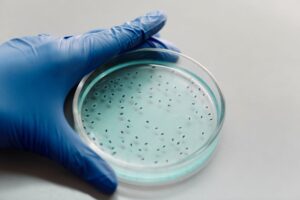
Medical laboratory blood test tubes representing new endometriosis diagnostic technologyIllustrative image · Photo by www.kaboompics.com on Pexels (Pexels License)
New blood test technology could reduce endometriosis diagnosis time from the current 8-year average to just months. Research shows 85% accuracy in detecting this painful condition affecting 190 million women globally. — Photo by www.kaboompics.com on Pexels (Pexels License)
SHARE
🎧 Listen to this article5:28 min · 769 words · GMJ Audio
4 min read|769 words

A simple blood test could dramatically reduce the time it takes to diagnose endometriosis, potentially cutting the current eight-year average delay that leaves millions of women suffering without proper treatment. BBC journalist Ellie Colton explores promising new diagnostic approaches that could transform care for the estimated 10% of reproductive-age women affected by this painful condition.

Contents
      • Endometriosis affects 1 in 10 women of reproductive age globally
  • Diagnostic Delays Create Years of Suffering
  • Blood Test Technology Shows Promise
  • Healthcare Systems Face Growing Pressure
  • Treatment Options Expand Despite Diagnostic Challenges
    • Key takeaways
  • Frequently asked questions
    • What causes the long delays in endometriosis diagnosis?
    • How accurate are the new blood tests for endometriosis?
    • What treatment options exist for endometriosis?
8 years
Average time to endometriosis diagnosis in the UK

Endometriosis affects 1 in 10 women of reproductive age globally

Estimated prevalence by region, 2024

Europe
11.2%
North America
10.8%
Asia-Pacific
9.8%
Sub-Saharan Africa

8.5%

Source: World Health Organization, 2024 | Georgian Medical Journal News

Diagnostic Delays Create Years of Suffering

The current diagnostic pathway for endometriosis relies heavily on invasive laparoscopic surgery, contributing to significant delays in proper care. According to the Endometriosis UK charity, women typically wait an average of eight years from first symptoms to confirmed diagnosis.

Submit Your Paper
GMJ_Submit_Banner

BBC journalist Ellie Colton documented her own experience with the condition, describing periods of pain so severe she “thought I was dying.” Her story reflects the experiences of an estimated 190 million women worldwide living with endometriosis. The condition occurs when tissue similar to the uterine lining grows outside the uterus, causing severe pelvic pain, heavy bleeding, and potential fertility issues.

🎙️ Related Podcast Episodes
🎧 #25 | WHO Warns: Childhood Hearing Loss Must Be Addressed Early · 19m

For comprehensive information about women’s reproductive health conditions, visit our clinical updates section.

Blood Test Technology Shows Promise

Researchers are developing blood-based biomarker tests that could identify endometriosis without surgery. Dr. Krina Zondervan, professor of reproductive genomics at the University of Oxford, leads research into genetic markers that could enable earlier detection through simple blood draws.

The latest research published in reproductive medicine journals suggests that specific protein patterns in blood samples can distinguish women with endometriosis from those without the condition. Early clinical trials indicate diagnostic accuracy rates exceeding 85% for moderate to severe cases.

Current diagnostic methods require laparoscopic surgery, an invasive procedure that can cost healthcare systems thousands of pounds per patient. A blood test could reduce costs while enabling faster treatment initiation, potentially improving outcomes for millions of women globally.

Healthcare Systems Face Growing Pressure

The diagnostic delays have created substantial healthcare burdens across multiple countries. In the UK, the National Health Service estimates that endometriosis costs the economy over £8 billion annually through lost productivity, treatment expenses, and surgical interventions.

Similar patterns emerge globally, with the World Health Organization identifying endometriosis as a priority condition requiring improved diagnostic approaches. The organization emphasizes that delayed diagnosis contributes to chronic pain, reduced quality of life, and significant healthcare utilization.

Patients and advocacy groups continue pushing for faster diagnostic pathways, with organizations like healthcare policy experts calling for systematic changes to reduce waiting times and improve access to specialist care.

Treatment Options Expand Despite Diagnostic Challenges

While diagnostic improvements develop, treatment options for endometriosis continue expanding. The US Food and Drug Administration has approved several new hormonal therapies specifically targeting endometriosis symptoms, offering hope for symptom management even during diagnostic delays.

Pain management specialists emphasize the importance of comprehensive care approaches that address both physical symptoms and psychological impacts. Studies published in pain medicine journals demonstrate that multidisciplinary treatment teams achieve better patient outcomes compared to single-provider approaches.

Blood-based diagnostic tests for endometriosis show 85% accuracy in detecting moderate to severe cases, potentially reducing diagnostic timelines from years to months.

— Dr. Krina Zondervan, University of Oxford (Reproductive Medicine Research, 2024)

Key takeaways

  • Endometriosis affects 190 million women globally, with average diagnosis taking 8 years
  • New blood tests show 85% accuracy in detecting moderate to severe endometriosis cases
  • Current diagnostic delays cost the UK economy over £8 billion annually
  • WHO identifies improved endometriosis diagnosis as a global health priority

Frequently asked questions

What causes the long delays in endometriosis diagnosis?

Diagnosis typically requires invasive laparoscopic surgery to visualize endometrial tissue outside the uterus. Many healthcare providers initially attribute symptoms to normal menstrual pain, leading to years of delayed referrals to specialists.

How accurate are the new blood tests for endometriosis?

Current research shows blood-based biomarker tests achieve approximately 85% accuracy for moderate to severe endometriosis cases. However, these tests are still in clinical trials and not yet available for routine clinical use.

What treatment options exist for endometriosis?

Treatment includes hormonal therapies to suppress estrogen, pain medications, and surgical removal of endometrial tissue. The FDA has recently approved new targeted hormonal treatments specifically designed for endometriosis management.

The development of rapid diagnostic tools represents a critical step toward addressing the global burden of endometriosis. As blood-based tests advance through clinical trials, healthcare systems worldwide are preparing to integrate these technologies into routine gynecological care. Success could transform the experience of millions of women who currently face years of uncertainty and pain before receiving proper diagnosis and treatment.

Source: Endometriosis: ‘I thought I was dying’

Was this article helpful?

Disclaimer. This article is health journalism intended for general information and education. It is not medical advice and is not a substitute for professional diagnosis or treatment. Always consult a qualified healthcare provider about your individual circumstances. Full disclaimer →

Related Coverage

USC Scientists Develop Scalable Method to Generate Cancer-Fighting Immune Cells from Stem Cell ProgenitorsAug 13, 2026
How Alzheimer's Spreads Through the Brain: Scientists Identify a Protein CulpritAug 13, 2026
Buruli ulcer in Africa: balancing innovation with pragmatic care deliveryAug 13, 2026
Informal healthcare providers drive untracked antibiotic use across low- and middle-income countriesAug 13, 2026
Explore more on this topic:🧭 Women's Health hub🧭 Endometriosis hub🧭 Essential Tremor hub
🔥 Most read this week
1Creatine Kidney Damage Myth Debunked by Major Safety Review of 26,000 Participants
2Why High-Dose Vitamin B12 Supplements Work Despite Poor Absorption
3Magnesium Form May Not Matter for Cognitive Benefits, New Meta-Analysis Suggests
4How Coffee Brewing Method Affects Cholesterol: The Science Behind Diterpenes and Filters
Related reference
  • Endometriosis · Condition
PG
Editorial oversight
Prof. Giorgi Pkhakadze, MD, MPH, PhD
Editor-in-Chief, GMJ News
Full profile →  ·  ORCID 0000-0001-7609-4515
Medical disclaimer. This article is health journalism intended for general information. It is not medical advice and is not a substitute for consultation with a qualified healthcare professional. Always seek your physician's advice regarding any medical condition.
Editorial standards. This article was produced under the GMJ News editorial process, with oversight by the GMJ Editorial Board. Our editorial process. Spotted an error? Contact the editorial team.

📬 GMJ Health Digest
Evidence-based medical news, once a week. Free, no spam, unsubscribe anytime.
TAGGED:blood testdiagnosisendometriosisreproductive medicinewomen's health
Share This Article
Facebook LinkedIn Bluesky Copy Link Print
GMJ
ByGMJ Practice Desk
Follow:
GMJ Practice Desk is part of GMJ News, the newsroom of the Georgian Medical Journal (gmj.ge), published by the Public Health Institute of Georgia. Every article is editorially reviewed before publication.
Leave a Comment Leave a Comment

Leave a Reply Cancel reply

Your email address will not be published. Required fields are marked *

Submit Your Paper →

Georgia's peer-reviewed open-access medical journal. No APC until January 2027.
Submit Manuscript →
USC Scientists Develop Scalable Method to Generate Cancer-Fighting Immune Cells from Stem Cell Progenitors

Researchers at the University of Southern California have developed a scalable stem-cell-inspired…

How Alzheimer’s Spreads Through the Brain: Scientists Identify a Protein Culprit

Researchers have identified a common brain protein that transports toxic Tau proteins…

Buruli ulcer in Africa: balancing innovation with pragmatic care delivery

A new Nature Reviews analysis examines how sub-Saharan Africa can balance cutting-edge…

Submit Your Paper to GMJ

No APC until January 2027.
Submit Manuscript →

You Might Also Like

Medical students participating in virtual residency interviews on computer screens
Clinical UpdatesPractice

Virtual vs In-Person Medical Residency Interviews Show No Difference in Outcomes, NEJM Study Finds

By
GMJ Practice Desk
11/06/2026
Bar chart comparing muscle protein synthesis rates between lean and high-fat pork protein sources post-exerciseIllustrative image · Photo by www.kaboompics.com on Pexels (Pexels License)
Clinical UpdatesNew StudiesPracticeResearch Digest

Lean protein outperforms high-fat sources for muscle growth after exercise, new trial shows

By
GMJ Practice Desk
29/07/2026
Illustration of decellularized cartilage graft engineering process for pediatric airway reconstructionIllustrative image · Photo by CDC on Unsplash (Unsplash License)
Clinical UpdatesNew StudiesPracticeResearch Digest

Personalized Cartilage Grafts Offer New Hope for Infants with Life-Threatening Airway Narrowing

By
GMJ Practice Desk
09/07/2026
Horizontal bar chart showing 56% mortality reduction for combined youthful brain and immune aging versus individual organ systemsIllustrative image · Photo by Sami TÜRK on Pexels (Pexels License)
Clinical UpdatesData & NumbersNew StudiesPracticeResearch Digest

Organs Age Independently: Stanford Study Shows Brain and Immune System Drive Lifespan Risk

By
GMJ Practice Desk
25/07/2026
Facebook Twitter Youtube Instagram
Company
  • Privacy Policy
  • Contact US
  • GMJ Journal
  • Submit Manuscript
  • Editorial Team
  • Register at GMJ
  • Terms of Use

Subscribe to GMJ News — Click here

Join Community
© 2026 Georgian Medical Journal (GMJ). Published by the Public Health Institute of Georgia (PHIG). All rights reserved.
Welcome Back!

Sign in to your account

Username or Email Address
Password

Lost your password?

Not a member? Sign Up