


Endometriosis
GMJ News knowledge hub · last reviewed September 2026 · Georgian Medical Journal
SummaryStatisticsGlossaryGMJ newsFAQDocumentsOrganizationsResearch
Endometriosis — a chronic inflammatory disease in which tissue similar to the uterine lining grows outside the uterus — affects approximately 190 million women and girls of reproductive age globally, causing severe pelvic pain, heavy menstrual bleeding, bowel and bladder symptoms, and infertility (WHO). Despite affecting 1 in 10 women of reproductive age, the average time from symptom onset to diagnosis is 8-10 years — driven by normalisation of painful periods, inadequate clinical training and the absence of a non-invasive diagnostic test. WHO designated endometriosis as a priority chronic condition in 2023, calling for improved clinical recognition and equitable access to care.
Key messages
190 million women
Endometriosis — in which tissue similar to the uterine lining grows outside the uterus — affects approximately 190 million women and girls of reproductive age globally (1 in 10), causing severe chronic pelvic pain, dysmenorrhoea and infertility (WHO).
8-10 year diagnostic delay
Despite causing debilitating symptoms, the average time from symptom onset to diagnosis is 8-10 years — due to normalisation of painful periods, inadequate clinical training, and the absence of a reliable non-invasive diagnostic test. Many women are dismissed or misdiagnosed.
No cure
There is no cure for endometriosis. Management focuses on symptom control: hormonal therapies (combined OCP, progestins, GnRH analogues), pain management (NSAIDs, opioids for severe pain) and surgical treatment (laparoscopic excision or ablation). Symptoms often return after surgery.
Infertility cause
Endometriosis is found in 25-50% of women with infertility — caused by adhesions, tubal obstruction, inflammation and impaired follicular development. Surgical treatment improves fertility outcomes; assisted reproductive technology (IVF) is effective when surgery is insufficient.
WHO priority since 2023
WHO designated endometriosis as a chronic priority condition in 2023 — calling for improved clinical recognition, research investment and equitable access to diagnosis and care.
Menstrual health neglect
Endometriosis exists in a context of broader menstrual health neglect — painful periods normalised in many cultures, taboos preventing open discussion, and healthcare systems that dismiss women's pain. Changing this culture is central to reducing the diagnostic delay.
Key statistics
Endometriosis annual economic cost (USD billions) — global estimates by category
Source: Simoens et al. research estimates. Annual costs of endometriosis exceed $78 billion in the US alone.
Glossary of key terms
Latest GMJ coverage
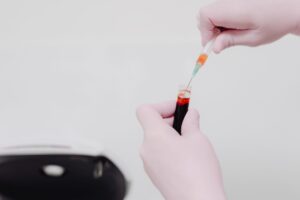
Blood test could enable early diagnosis of endometriosis, study suggests
24/09/2026

New Blood Test Could Cut Endometriosis Diagnosis Time From 8 Years to Months
22/06/2026

Endometriosis Affects 10% of Women Yet Faces Chronic Under-recognition, BBC Investigation Reveals
01/06/2026

Eli Lilly Invests in AI-Driven Hair Loss Drug Development Through Absci Partnership
19/09/2026

Hormonal Contraceptives With Progestogen Linked to Slightly Elevated Meningioma Risk
17/09/2026

Coffee and Cancer Risk: What 20 Prospective Cohorts Reveal About Protection
20/07/2026
Frequently asked questions 12 Q&A — structured for Google featured snippets and AI discovery
Knowledge hub: guidelines, conventions and reports
Organizations working in migration and health
Related health topics
Women's healthReproductive healthChronic painOvarian cancerMaternal healthDisability
About this hub. Produced by the GMJ News Editorial Team as a public-good service. Every statistic is linked to its primary source. Documents are preserved in the GMJ Repository with full attribution. Georgian Medical Journal · Contact the editorial team