By using this site, you agree to the Privacy Policy and Terms of Use.
Accept
GMJ NewsGMJ NewsGMJ News
  • Latest News
    • GMJ Briefs
  • Podcast & Media
    • Podcast Episodes
    • GMJ Audio
    • GMJ Videos
  • Research Digest
    • New Studies
    • Georgian Research
    • Data & Numbers
  • Policy & Systems
    • Health Policy
    • Quality & Safety
    • Migration & Health
    • Global Health
  • Practice
    • Clinical Updates
    • Case Discussions
    • Pharmacy & Prescribing
    • Ingredients A-Z
  • Perspectives
    • Editorial
    • Explainers
    • Voices
    • Letters
  • GMJ Articles
    • Vol. 1 Issue 2 (2026)
    • Vol. 1 Issue 1 (2026)
    • Pre-Launch Articles (2025)
  • Read the Journal →
  • About GMJ News
Notification Show More
Font ResizerAa
GMJ NewsGMJ News
Font ResizerAa
  • Latest News
    • GMJ Briefs
  • Podcast & Media
    • Podcast Episodes
    • GMJ Audio
    • GMJ Videos
  • Research Digest
    • New Studies
    • Georgian Research
    • Data & Numbers
  • Policy & Systems
    • Health Policy
    • Quality & Safety
    • Migration & Health
    • Global Health
  • Practice
    • Clinical Updates
    • Case Discussions
    • Pharmacy & Prescribing
    • Ingredients A-Z
  • Perspectives
    • Editorial
    • Explainers
    • Voices
    • Letters
  • GMJ Articles
    • Vol. 1 Issue 2 (2026)
    • Vol. 1 Issue 1 (2026)
    • Pre-Launch Articles (2025)
  • Read the Journal →
  • About GMJ News
Follow US
GMJ News > GMJ Briefs > New Frontier in Stroke Recovery: Electrical Stimulation Extends Healing Beyond Traditional Limits

New Frontier in Stroke Recovery: Electrical Stimulation Extends Healing Beyond Traditional Limits

GMJ
Last updated: 18/06/2026 16:07
By
Prof. Giorgi Pkhakadze
Share
1 Min Read
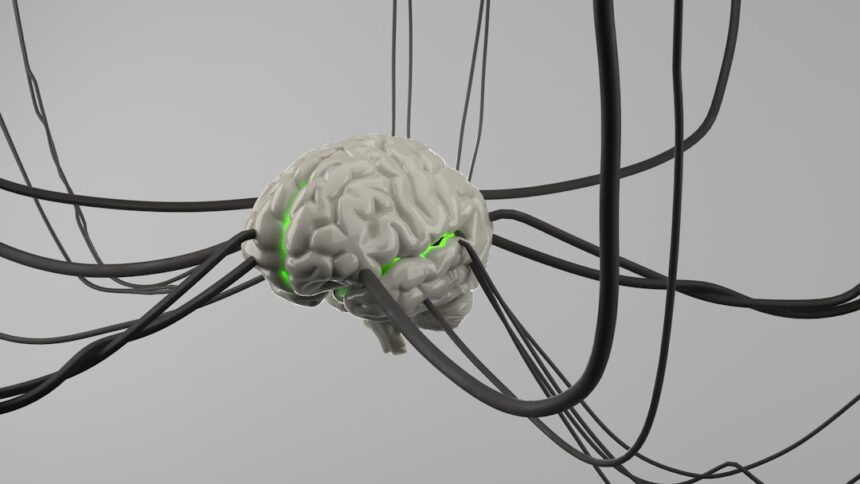
Medical illustration of spinal cord stimulation device for stroke rehabilitation therapy
University of Pittsburgh researchers demonstrate that spinal cord stimulation can improve arm and hand function in chronic stroke survivors, even years after injury, challenging traditional recovery timelines. — Photo: Bhautik Patel / Pexels
SHARE
1 min read|156 words

Researchers at the University of Pittsburgh School of Medicine have challenged long-held assumptions about stroke recovery timelines with a pilot clinical trial demonstrating the efficacy of spinal cord stimulation. Published in Nature Medicine, the study shows that precisely targeted electrical stimulation of spinal circuits controlling arm and hand movements can produce meaningful improvements in chronic stroke survivors—years after their initial injury.

Traditionally, stroke rehabilitation exhibits diminishing returns after the first six months, with patients reaching functional plateaus. However, this groundbreaking research indicates that therapeutic potential extends far beyond this window. The pilot trial participants experienced sustained motor improvements over a four-year follow-up period, suggesting that the brain and spinal cord retain plasticity capabilities previously thought dormant in the chronic phase. This represents the first clinical application of this neurotherapeutic approach for stroke recovery, offering renewed hope to millions of chronic stroke survivors who have exhausted conventional rehabilitation options.

Read the full article on GMJ Newsroom.

Was this article helpful?

GMJ Brief · Announcement

📰 Read the full article: Spinal Cord Stimulation Shows Promise for Chronic Stroke Recovery After Four Years →

Related reference
  • Stroke · Condition
Share This Article
Facebook LinkedIn Bluesky Copy Link Print
GMJ
ByProf. Giorgi Pkhakadze
Follow:
Prof. Giorgi Pkhakadze, MD, MPH, PhD, is Editor-in-Chief of the Georgian Medical Journal and Chair of the Public Health Institute of Georgia (PHIG). He is Professor and Head of the Department of Social and Behavioural Sciences at David Tvildiani Medical University, and Secretary/Treasurer of the UEMS Section of Public Health. ORCID: 0000-0001-7609-4515.

Submit Your Paper →

Georgia's peer-reviewed open-access medical journal. No APC until January 2027.
Submit Manuscript →
NHS Mobile Lung Screening Trucks Detect Over 10,000 Cancers in Supermarket Car Parks

NHS mobile screening trucks in supermarket car parks have detected over 10,000…

Black Esophagus: Rare Acute Esophageal Necrosis Case Highlights Critical Recognition Need

A rare case of acute esophageal necrosis documented in NEJM highlights the…

US Dietary Guidelines 2025-2030: Mixed Progress on Nutrition as Implementation Challenges Persist

New US Dietary Guidelines for 2025-2030 show incremental progress in nutrition science…

Submit Your Paper to GMJ

No APC until January 2027.
Submit Manuscript →

You Might Also Like

Medical ultrasound equipment used for intestinal imaging in Crohn's disease monitoring

International Expert Panel Releases Standardized Ultrasound Guidelines for Post-Surgical Crohn’s Disease

By
Prof. Giorgi Pkhakadze
06/06/2026

PHEIC Declaration: Ebola Cross-Border Transmission DRC-Uganda

By
Prof. Giorgi Pkhakadze
31/05/2026
Healthcare worker examining infant in African clinic setting

Data Disparity: Severely Ill Infants Receive Care Half as Often as Mildly Sick Peers

By
Prof. Giorgi Pkhakadze
07/06/2026
Diagram showing gut-brain circadian communication pathways

Four Pathways Connect Gut Bacteria to Your Body Clock: New Data Reveals Hierarchy

By
Prof. Giorgi Pkhakadze
10/06/2026
Facebook Twitter Youtube Instagram
Company
  • Privacy Policy
  • Contact US
  • GMJ Journal
  • Submit Manuscript
  • Editorial Team
  • Register at GMJ
  • Terms of Use

Subscribe to GMJ News — Click here

Join Community
© 2026 Georgian Medical Journal (GMJ). Published by the Public Health Institute of Georgia (PHIG). All rights reserved.
Welcome Back!

Sign in to your account

Username or Email Address
Password

Lost your password?

Not a member? Sign Up