🟢 Strong Evidence
The human gut harbors an estimated 100 trillion microorganisms, creating one of the most complex ecosystems on Earth within our digestive tract. This vast microbial community, comprising bacteria, viruses, fungi, and other microbes, plays crucial roles in digestion, immune function, and overall health that researchers are only beginning to understand.
Key takeaways
- The gut contains approximately 100 trillion microorganisms, outnumbering human cells by roughly 10 to 1
- These microbes perform essential functions including nutrient metabolism, immune system regulation, and protection against pathogens
- Disruptions to gut microbiome balance are linked to conditions ranging from inflammatory bowel disease to mental health disorders
Composition of the Human Gut Microbiome
Major microbial groups and their relative abundance
Source: Human Microbiome Project, NIH | Georgian Medical Journal News

The Microbial Metropolis Within
The gut microbiome represents one of the densest microbial habitats known to science, with bacterial concentrations reaching up to 10^12 cells per gram of intestinal content, according to research published in the Proceedings of the National Academy of Sciences. These microorganisms collectively contain at least 100 times more genes than the human genome, effectively functioning as a “second genome” that influences host physiology.
The National Institutes of Health Human Microbiome Project has identified over 1,000 bacterial species residing in the healthy human gut. The most abundant phyla include Firmicutes and Bacteroidetes, which together comprise approximately 90% of gut bacterial communities in healthy adults.
Essential Functions of Gut Microbes
Gut microorganisms perform numerous vital functions that human cells cannot accomplish independently. These include the fermentation of dietary fiber into short-chain fatty acids (SCFAs), which serve as energy sources for colonocytes and help maintain intestinal barrier function, as detailed in research from Cell.
The microbiome also synthesizes essential vitamins, particularly B vitamins and vitamin K, while metabolizing bile acids and xenobiotics. Additionally, gut microbes provide colonization resistance against pathogenic bacteria by competing for nutrients and producing antimicrobial compounds. This protective function is crucial for preventing infections, as demonstrated by studies showing increased susceptibility to Clostridioides difficile infection following antibiotic treatment.
For comprehensive insights into microbiome research, visit our New Studies section for the latest findings.
Health Implications and Disease Connections
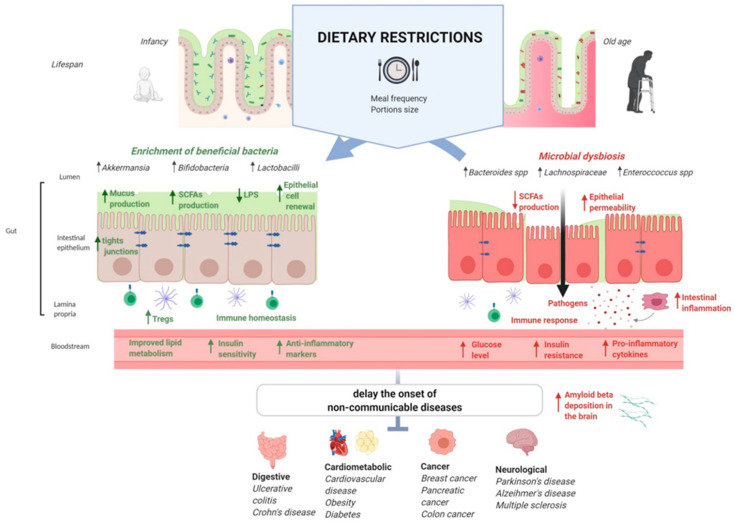
Disruptions to gut microbiome composition, termed dysbiosis, have been implicated in numerous health conditions. Research published in Cell has linked microbiome alterations to inflammatory bowel disease, obesity, type 2 diabetes, and even neuropsychiatric disorders through the gut-brain axis.
The World Health Organization recognizes the importance of maintaining gut health through dietary interventions, particularly increased fiber consumption and reduced processed food intake. Studies have shown that diet can rapidly alter gut microbiome composition, with changes observable within 24-48 hours of dietary modification.
Explore our Explainers section for more accessible health information.
The gut microbiome contains 150 times more genes than the human genome, representing a vast reservoir of metabolic capabilities essential for human health
— Dr. Rob Knight, University of California San Diego (Nature, 2018)
Therapeutic Potential and Future Directions
The therapeutic manipulation of gut microbiomes has emerged as a promising medical frontier. Fecal microbiota transplantation (FMT) has shown remarkable success in treating recurrent C. difficile infections, with cure rates exceeding 90% according to New England Journal of Medicine studies.
Next-generation probiotics, designed based on specific microbial functions rather than traditional fermented products, are under development for various conditions. Precision medicine approaches aim to tailor microbiome interventions to individual patients based on their unique microbial signatures and metabolic profiles.
What this means
Frequently asked questions
How can I improve my gut microbiome health?
Consuming a diverse, fiber-rich diet with fermented foods, limiting processed foods and unnecessary antibiotics, and managing stress can promote beneficial microbial communities. Regular exercise also positively influences gut microbiome composition.
Do probiotics actually work?
While traditional probiotics show modest benefits for certain conditions, their effects are often transient since most strains don’t permanently colonize the gut. Next-generation probiotics designed for specific therapeutic targets show more promise in clinical trials.
Can gut bacteria affect mental health?
Yes, the gut-brain axis allows bidirectional communication between intestinal microbes and the central nervous system through neural, hormonal, and immunological pathways. Research links gut dysbiosis to depression, anxiety, and other neuropsychiatric conditions.
As microbiome science advances, researchers are developing increasingly sophisticated tools to characterize and manipulate these microbial communities for therapeutic benefit. The integration of multi-omics approaches with artificial intelligence promises to unlock personalized microbiome medicine, potentially revolutionizing treatment approaches for numerous diseases rooted in microbial dysbiosis.
Source: What’s really going on in your gut?
Was this article helpful?
Disclaimer. This article is health journalism intended for general information and education. It is not medical advice and is not a substitute for professional diagnosis or treatment. Always consult a qualified healthcare provider about your individual circumstances. Full disclaimer →
Related Coverage


Editorial standards. This article was produced under the GMJ News editorial process, with oversight by the GMJ Editorial Board. Our editorial process. Spotted an error? Contact the editorial team.