By using this site, you agree to the Privacy Policy and Terms of Use.
Accept
GMJ NewsGMJ NewsGMJ News
  • Latest News
    • GMJ Briefs
  • Podcast & Media
    • Podcast Episodes
    • GMJ Audio
    • GMJ Videos
  • Research Digest
    • New Studies
    • Georgian Research
    • Data & Numbers
  • Policy & Systems
    • Health Policy
    • Quality & Safety
    • Migration & Health
    • Global Health
  • Practice
    • Clinical Updates
    • Case Discussions
    • Pharmacy & Prescribing
    • Ingredients A-Z
  • Perspectives
    • Editorial
    • Explainers
    • Voices
    • Letters
  • Health Topics
  • GMJ Articles
    • Vol. 1 Issue 2 (2026)
    • Vol. 1 Issue 1 (2026)
    • Pre-Launch Articles (2025)
  • Read the Journal →
  • About GMJ News
Notification Show More
Font ResizerAa
GMJ NewsGMJ News
Font ResizerAa
  • Latest News
    • GMJ Briefs
  • Podcast & Media
    • Podcast Episodes
    • GMJ Audio
    • GMJ Videos
  • Research Digest
    • New Studies
    • Georgian Research
    • Data & Numbers
  • Policy & Systems
    • Health Policy
    • Quality & Safety
    • Migration & Health
    • Global Health
  • Practice
    • Clinical Updates
    • Case Discussions
    • Pharmacy & Prescribing
    • Ingredients A-Z
  • Perspectives
    • Editorial
    • Explainers
    • Voices
    • Letters
  • Health Topics
  • GMJ Articles
    • Vol. 1 Issue 2 (2026)
    • Vol. 1 Issue 1 (2026)
    • Pre-Launch Articles (2025)
  • Read the Journal →
  • About GMJ News
Follow US
GMJ News > Research Digest > New Studies > Sodium Bicarbonate Shows No Mortality Benefit for Critically Ill Adults in Largest Trial to Date
New StudiesResearch Digest

Sodium Bicarbonate Shows No Mortality Benefit for Critically Ill Adults in Largest Trial to Date

GMJ
Last updated: 23/06/2026 18:42
By
GMJ Research Desk
Share
7 Min Read
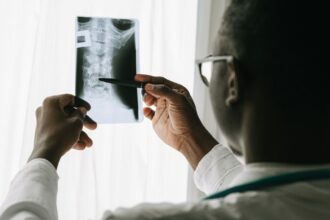
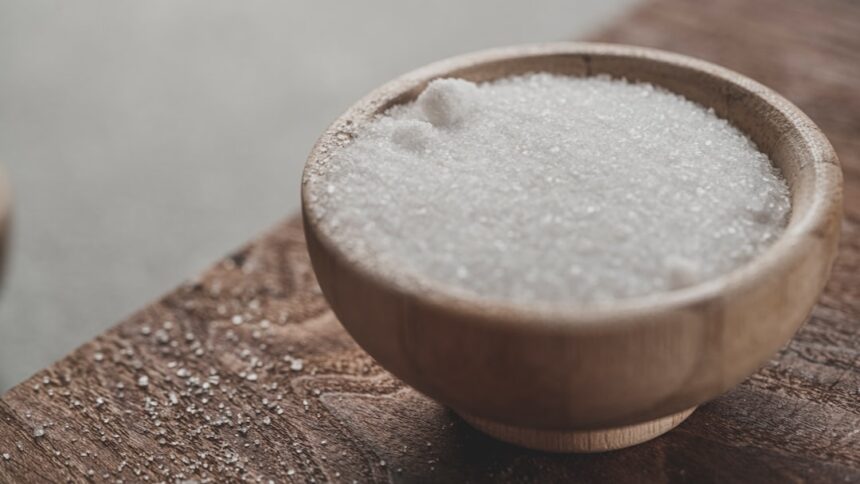
Medical chart showing 28-day mortality comparison between bicarbonate and standard care groupsIllustrative image · Photo by Faran Raufi on Unsplash (Unsplash License)
Largest trial to date finds sodium bicarbonate therapy does not reduce mortality in critically ill adults with metabolic acidosis and shock. The BICAR-ICU study challenges decades of routine clinical practice in intensive care units worldwide. — Photo by Faran Raufi on Unsplash (Unsplash License)
SHARE
🎧 Listen to this article5:51 min · 839 words · GMJ Audio
4 min read|839 words
✓ Reviewed by GMJ News Editorial Team

🟢 Strong Evidence

Contents
    • Key takeaways
      • Study at a Glance
      • 28-Day Mortality Outcomes by Treatment Group
  • Large International Trial Challenges Standard Practice
  • No Mortality Benefit Despite Theoretical Rationale
  • Implications for Critical Care Practice Worldwide
  • Future Research Directions and Clinical Guidelines
    • What this means
  • Frequently asked questions
    • Does this mean bicarbonate therapy should never be used in ICU patients?
    • Why was bicarbonate therapy used if it doesn’t work?
    • Will this change ICU treatment protocols immediately?

Sodium bicarbonate therapy does not reduce mortality in critically ill adults with metabolic acidosis and shock, according to the largest randomized controlled trial to date. The BICAR-ICU trial, published in The New England Journal of Medicine, found no significant difference in 28-day mortality between patients receiving sodium bicarbonate and those receiving standard care.

Key takeaways

  • Sodium bicarbonate did not reduce 28-day mortality compared to standard care in critically ill patients with shock
  • The trial included 3,396 adults across multiple intensive care units, making it the definitive study on this intervention
  • Results challenge decades of clinical practice where bicarbonate has been routinely used to correct severe acidosis

Study at a Glance

Source New England Journal of Medicine
Study type Randomized controlled trial
Sample size N = 3,396
Population Critically ill adults with metabolic acidosis and shock
Country France (multicenter)
3,396
critically ill adults enrolled in the largest trial of sodium bicarbonate therapy

28-Day Mortality Outcomes by Treatment Group

No significant difference between sodium bicarbonate and standard care

32.7%
Bicarbonate group
31.5%
Standard care
1.2%
Absolute difference

Source: BICAR-ICU Trial, NEJM 2024 | Georgian Medical Journal News

Submit Your Paper
GMJ_Submit_Banner

Large International Trial Challenges Standard Practice

The BICAR-ICU trial represents a significant shift in understanding of bicarbonate therapy for critically ill patients. Researchers from the Assistance Publique-Hôpitaux de Paris led the multicenter study across French intensive care units, recruiting patients with severe metabolic acidosis and circulatory shock.

🎙️ Related Podcast Episodes
🎧 #31 | GMJ Podcast | Daily Multivitamins and Biological Ageing — COSMOS Trial · 21m

Participants were randomized to receive either intravenous sodium bicarbonate or standard care without bicarbonate supplementation. The primary endpoint was mortality at 28 days, with secondary endpoints including organ failure scores and length of intensive care stay. For more evidence-based critical care research, see our clinical updates section.

No Mortality Benefit Despite Theoretical Rationale

The trial found 28-day mortality rates of 32.7% in the bicarbonate group compared to 31.5% in the control group, a difference that was not statistically significant. Secondary outcomes also showed no meaningful differences between groups, including rates of organ failure and time to recovery.

These findings contradict the theoretical benefits of bicarbonate therapy, which include correcting acidosis and potentially improving cardiovascular function. Previous smaller studies had suggested possible benefits, but this large-scale trial provides definitive evidence against routine bicarbonate use. The European Society of Intensive Care Medicine has previously issued guidelines on acidosis management that may now require revision.

Implications for Critical Care Practice Worldwide

The results challenge current clinical practice in many intensive care units where sodium bicarbonate is routinely administered to patients with severe acidosis. Dr. Djillali Annane, the study’s principal investigator from Raymond Poincaré Hospital, noted that the findings should prompt reconsideration of bicarbonate therapy protocols.

The study’s robust methodology, including adequate randomization and blinding procedures, strengthens confidence in the results. With over 3,000 participants, the trial had sufficient statistical power to detect clinically meaningful differences in mortality if they existed. For related intensive care research from Georgian institutions, visit our Georgian research section.

Future Research Directions and Clinical Guidelines

While this trial provides strong evidence against routine bicarbonate use, questions remain about specific subgroups who might benefit from the intervention. Future research may focus on patients with extreme acidosis or specific underlying conditions where bicarbonate therapy could still play a role.

Clinical guidelines from major critical care societies will likely need updating based on these findings. The Society of Critical Care Medicine and other professional organizations typically review such landmark studies when revising treatment recommendations.

28-day mortality showed no significant difference between bicarbonate therapy (32.7%) and standard care (31.5%) in 3,396 critically ill adults with metabolic acidosis and shock

— BICAR-ICU Investigators, Multiple French ICUs (New England Journal of Medicine, 2024)

What this means

For patients: Critically ill patients with acidosis can be reassured that avoiding bicarbonate therapy does not worsen outcomes and may reduce unnecessary interventions
For clinicians: ICU protocols should be reviewed to remove routine bicarbonate administration for metabolic acidosis, focusing resources on proven interventions instead
For policymakers: Healthcare systems can redirect resources from bicarbonate therapy to evidence-based critical care interventions, potentially improving cost-effectiveness

Frequently asked questions

Does this mean bicarbonate therapy should never be used in ICU patients?

The study shows no benefit for routine use in metabolic acidosis with shock. However, bicarbonate may still have specific indications like severe hyperkalemia or certain poisonings that weren’t studied in this trial.

Why was bicarbonate therapy used if it doesn’t work?

Previous smaller studies and theoretical benefits led to widespread adoption. This large trial provides the first definitive evidence that routine use doesn’t improve survival in critically ill patients.

Will this change ICU treatment protocols immediately?

Major medical societies typically review landmark studies before updating guidelines. Individual hospitals may begin revising protocols based on this strong evidence, but widespread changes will likely take months to years.

The BICAR-ICU trial represents a paradigm shift in critical care medicine, demonstrating how large-scale randomized trials can definitively answer long-standing clinical questions. As intensive care units worldwide review their protocols, this study will likely influence treatment decisions for thousands of critically ill patients annually. The findings underscore the importance of evidence-based medicine in challenging established practices, even when they appear physiologically reasonable.

Source: Sodium Bicarbonate for Critically Ill Adults with Metabolic Acidosis and Shock

Was this article helpful?

Disclaimer. This article is health journalism intended for general information and education. It is not medical advice and is not a substitute for professional diagnosis or treatment. Always consult a qualified healthcare provider about your individual circumstances. Full disclaimer →

Related Coverage

Foamy immune cells packed with fat may drive MS progression, new brain tissue study suggestsAug 17, 2026
Early immune markers could identify which TB-infected people will develop active diseaseAug 17, 2026
Air pollution drives school absences and health symptoms in Delhi and Dhaka youth, new study showsAug 17, 2026
Novel Prime-and-Pull Vaccine Strategy Shows Promise Against Genital Herpes in Preclinical ModelsAug 17, 2026
Explore more on this topic:🧭 Diarrhoeal Diseases hub🧭 Leukaemia hub🧭 Essential Tremor hub
🔥 Most read this week
1Medicare’s AI Prior Authorization System Creates Patient Care Delays, Doctors Report
2Creatine Kidney Damage Myth Debunked by Major Safety Review of 26,000 Participants
3How Coffee Brewing Method Affects Cholesterol: The Science Behind Diterpenes and Filters
4How Coffee and Tea Reduce Iron Absorption: A Mechanism Explained
Related reference
  • Sodium · Ingredient
PG
Editorial oversight
Prof. Giorgi Pkhakadze, MD, MPH, PhD
Editor-in-Chief, GMJ News
Full profile →  ·  ORCID 0000-0001-7609-4515
Medical disclaimer. This article is health journalism intended for general information. It is not medical advice and is not a substitute for consultation with a qualified healthcare professional. Always seek your physician's advice regarding any medical condition.
Editorial standards. This article was produced under the GMJ News editorial process, with oversight by the GMJ Editorial Board. Our editorial process. Spotted an error? Contact the editorial team.

📬 GMJ Health Digest
Evidence-based medical news, once a week. Free, no spam, unsubscribe anytime.
TAGGED:critical careICU mortalitymetabolic acidosisNEJM trialsodium bicarbonate
Share This Article
Facebook LinkedIn Bluesky Copy Link Print
GMJ
ByGMJ Research Desk
Follow:
GMJ Research Desk is part of GMJ News, the newsroom of the Georgian Medical Journal (gmj.ge), published by the Public Health Institute of Georgia. Every article is editorially reviewed before publication.
Leave a Comment Leave a Comment

Leave a Reply Cancel reply

Your email address will not be published. Required fields are marked *

Submit Your Paper →

Georgia's peer-reviewed open-access medical journal. No APC until January 2027.
Submit Manuscript →
Patient Left in Hospital After Insurer Delays Lifesaving Immune-Boosting Drug

A Medicare beneficiary requiring an immune-boosting medication was hospitalized after her insurer…

Foamy immune cells packed with fat may drive MS progression, new brain tissue study suggests

Researchers have discovered that immune cells packed with lipid droplets accumulate in…

Princess of Wales Completes Three Peaks Challenge to Advocate for Holistic Cancer Care

Catherine, Princess of Wales, completed the Three Peaks Challenge to advance awareness…

Submit Your Paper to GMJ

No APC until January 2027.
Submit Manuscript →

You Might Also Like

Medical illustration showing stem cell-derived heart patch being placed on damaged cardiac tissue
New StudiesResearch Digest

Stem Cell Heart Patch Shows Promise in Advanced Heart Failure Trial

By
GMJ Research Desk
28/05/2026
Community health worker using mobile device for tuberculosis contact investigation in rural health settingIllustrative image · Photo by cottonbro studio on Pexels (Pexels License)
Global HealthNew StudiesPolicy & SystemsResearch Digest

Mobile Health Tools Strengthen Tuberculosis Contact Tracing in Low-Resource Settings

By
GMJ Policy Desk
11/07/2026
Scientific illustration of CBD molecules and brain neurons showing reduced inflammation
New StudiesResearch Digest

CBD Shows Promise in Reducing Alzheimer’s-Related Brain Inflammation

By
GMJ Research Desk
30/05/2026
Illustration of bone cells (osteoblasts) releasing osteocalcin hormone into bloodstream, connecting to pancreas and skeletal muscle in a metabolic feedback loopIllustrative image · Photo by Pavel Danilyuk on Pexels (Pexels License)
ExplainersNew StudiesPerspectivesResearch Digest

Bones Are Metabolic Organs: How Mechanical Loading Regulates Blood Sugar

By
GMJ Perspectives Desk
23/07/2026
Facebook Twitter Youtube Instagram
Company
  • Privacy Policy
  • Contact US
  • GMJ Journal
  • Submit Manuscript
  • Editorial Team
  • Register at GMJ
  • Terms of Use

Subscribe to GMJ News — Click here

Join Community
© 2026 Georgian Medical Journal (GMJ). Published by the Public Health Institute of Georgia (PHIG). All rights reserved.
Welcome Back!

Sign in to your account

Username or Email Address
Password

Lost your password?

Not a member? Sign Up