By using this site, you agree to the Privacy Policy and Terms of Use.
Accept
GMJ NewsGMJ NewsGMJ News
  • Latest News
    • GMJ Briefs
  • Podcast & Media
    • Podcast Episodes
    • GMJ Audio
    • GMJ Videos
  • Research Digest
    • New Studies
    • Georgian Research
    • Data & Numbers
  • Policy & Systems
    • Health Policy
    • Quality & Safety
    • Migration & Health
    • Global Health
  • Practice
    • Clinical Updates
    • Case Discussions
    • Pharmacy & Prescribing
    • Ingredients A-Z
  • Perspectives
    • Editorial
    • Explainers
    • Voices
    • Letters
  • Health Topics
  • GMJ Articles
    • Vol. 1 Issue 2 (2026)
    • Vol. 1 Issue 1 (2026)
    • Pre-Launch Articles (2025)
  • Read the Journal →
  • About GMJ News
Notification Show More
Font ResizerAa
GMJ NewsGMJ News
Font ResizerAa
  • Latest News
    • GMJ Briefs
  • Podcast & Media
    • Podcast Episodes
    • GMJ Audio
    • GMJ Videos
  • Research Digest
    • New Studies
    • Georgian Research
    • Data & Numbers
  • Policy & Systems
    • Health Policy
    • Quality & Safety
    • Migration & Health
    • Global Health
  • Practice
    • Clinical Updates
    • Case Discussions
    • Pharmacy & Prescribing
    • Ingredients A-Z
  • Perspectives
    • Editorial
    • Explainers
    • Voices
    • Letters
  • Health Topics
  • GMJ Articles
    • Vol. 1 Issue 2 (2026)
    • Vol. 1 Issue 1 (2026)
    • Pre-Launch Articles (2025)
  • Read the Journal →
  • About GMJ News
Follow US
GMJ News > Research Digest > New Studies > Visceral fat loss reduces diabetes risk by 28% even after weight regain, decade-long study shows
New StudiesResearch Digest

Visceral fat loss reduces diabetes risk by 28% even after weight regain, decade-long study shows

GMJ
Last updated: 23/06/2026 18:42
By
GMJ Research Desk
Share
7 Min Read
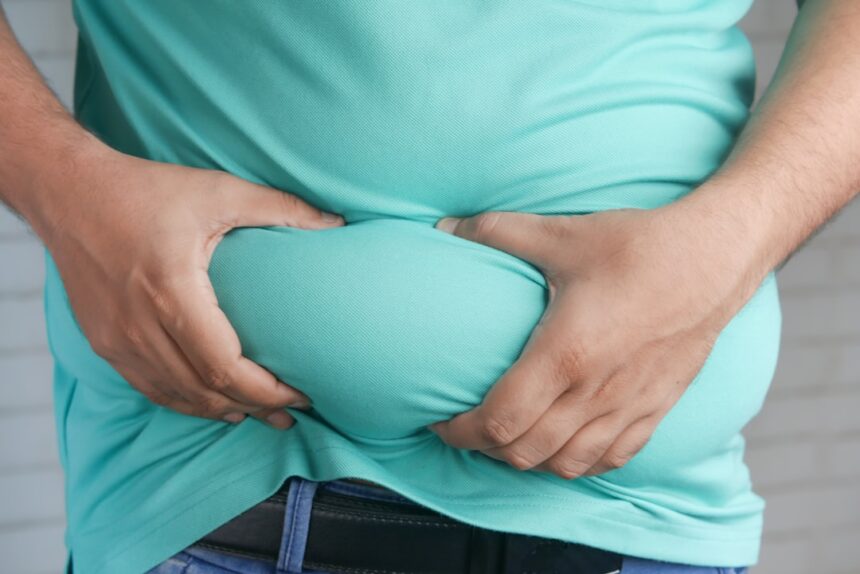
Medical illustration showing visceral fat around abdominal organs with research data overlayIllustrative image · Photo by Towfiqu barbhuiya on Unsplash (Unsplash License)
Research shows visceral fat reduction creates lasting metabolic benefits that persist for a decade, reducing diabetes risk by 28% even after weight regain. Study challenges traditional weight loss approaches by demonstrating fat location matters more than total weight. — Photo by Towfiqu barbhuiya on Unsplash (Unsplash License)
SHARE
🎧 Listen to this article5:57 min · 856 words · GMJ Audio
4 min read|856 words
✓ Reviewed by GMJ News Editorial Team

🟢 Strong Evidence

Contents
    • Key takeaways
      • Study at a Glance
      • Diabetes Risk Reduction by Fat Type Lost
  • Metabolic memory challenges conventional weight loss thinking
  • Visceral fat emerges as unique metabolic target
  • Implications extend beyond individual interventions
    • What this means
  • Frequently asked questions
    • Why does visceral fat loss provide lasting protection when other fat reduction doesn’t?
    • Can people specifically target visceral fat loss without losing total weight?
    • How can individuals measure their visceral fat levels?

Loss of visceral fat through lifestyle interventions creates a lasting “metabolic legacy” that continues to protect against diabetes for up to a decade, even when body weight returns to baseline levels. Research from Ben-Gurion University of the Negev demonstrates that participants who lost visceral fat during an 18-month intervention maintained a 28% lower diabetes risk 10 years later, despite regaining their original weight.

Key takeaways

  • Visceral fat reduction alone—not liver, pancreatic, or subcutaneous fat loss—drives long-term diabetes protection
  • Participants maintained 28% lower diabetes risk for 10 years after intervention ended
  • Metabolic benefits persisted despite complete weight regain to baseline levels
  • Each 1% reduction in visceral fat correlated with sustained improvements in insulin sensitivity

Study at a Glance

Source International Journal of Obesity
Study type Randomized controlled trial with 10-year follow-up
Sample size N = 278
Population Adults with abdominal obesity and elevated liver fat
Country Israel
28%
reduction in diabetes risk maintained 10 years after visceral fat loss intervention

Diabetes Risk Reduction by Fat Type Lost

10-year follow-up results showing sustained metabolic benefits

Visceral fat loss
28%
Liver fat loss
4%
Pancreatic fat loss
2%
Subcutaneous fat loss

0%

Source: Ben-Gurion University of the Negev, 2024 | Georgian Medical Journal News

Submit Your Paper
GMJ_Submit_Banner

Metabolic memory challenges conventional weight loss thinking

The study followed 278 adults with abdominal obesity through an 18-month lifestyle intervention and subsequent 10-year observation period. Dr. Yftach Gepner, lead researcher at Ben-Gurion University’s School of Public Health, found that traditional weight-focused metrics failed to predict long-term metabolic benefits.

🎙️ Related Podcast Episodes
🎧 #46 | GMJ Podcast | Angioplasty of Saphenous Vein Grafts — Risks, Outcomes, and Clinical Strategies · 21m
🎧 #36 | GMJ Podcast | Artificial Intelligence and Doctor–Patient Communication — Evidence from Georgian Clinics · 18m

“The location and type of fat loss, rather than total weight reduction, determines lasting metabolic improvements,” according to the research published in the International Journal of Obesity. Participants underwent detailed body composition analysis using magnetic resonance imaging to distinguish between visceral, liver, pancreatic, and subcutaneous fat deposits.

The intervention combined Mediterranean diet principles with moderate physical activity, achieving average visceral fat reductions of 22% during the active phase. Researchers from multiple international institutions contributed to the decade-long follow-up analysis.

Visceral fat emerges as unique metabolic target

Unlike other fat deposits, visceral fat—the deep abdominal fat surrounding organs—showed unique associations with sustained diabetes protection. The World Health Organization estimates 422 million adults worldwide live with diabetes, making these findings particularly significant for prevention strategies.

Participants who achieved the greatest visceral fat loss maintained superior insulin sensitivity and glucose metabolism markers throughout the 10-year follow-up, despite weight regain. Liver fat and pancreatic fat reductions, while beneficial during the active intervention, did not translate to long-term metabolic protection.

The study’s findings align with emerging research on adipose tissue biology and its role in metabolic disease development. Traditional body mass index measurements failed to predict which participants would maintain diabetes protection.

Implications extend beyond individual interventions

These results challenge current obesity treatment paradigms that prioritize total weight loss over targeted fat reduction. The Centers for Disease Control and Prevention’s diabetes prevention guidelines may need updating to reflect these mechanistic insights.

Professor Iris Shai, senior author and nutrition researcher at Ben-Gurion University, noted the study’s implications for precision medicine approaches. The research suggests that interventions specifically targeting visceral fat reduction could provide more durable metabolic benefits than general weight loss programs.

Participants maintained improved inflammatory markers and insulin sensitivity measurements that correlated directly with their degree of visceral fat loss during the original intervention. This “metabolic memory” persisted independently of subsequent weight changes or dietary adherence.

Visceral fat reduction of just 1% translated to measurable improvements in insulin sensitivity that persisted for the entire 10-year follow-up period, regardless of weight regain

— Dr. Yftach Gepner, Ben-Gurion University School of Public Health (International Journal of Obesity, 2024)

What this means

For patients: Focus on activities that target deep abdominal fat (aerobic exercise, Mediterranean diet) rather than just achieving weight loss goals
For clinicians: Consider body composition analysis and visceral fat measurement as more meaningful targets than BMI for diabetes prevention
For policymakers: Prevention programs should emphasize sustainable lifestyle changes that reduce visceral adiposity rather than short-term weight loss

Frequently asked questions

Why does visceral fat loss provide lasting protection when other fat reduction doesn’t?

Visceral fat produces inflammatory cytokines and hormones that directly interfere with insulin function. Removing this metabolically active tissue appears to reset inflammatory pathways in ways that persist long-term, unlike subcutaneous fat which is less metabolically active.

Can people specifically target visceral fat loss without losing total weight?

While spot reduction isn’t possible, aerobic exercise and Mediterranean dietary patterns preferentially reduce visceral fat even with modest total weight changes. Resistance training and stress reduction also help target deep abdominal fat deposits.

How can individuals measure their visceral fat levels?

DEXA scans and specialized body composition analyzers can estimate visceral fat, though MRI remains the gold standard. Waist circumference and waist-to-hip ratio provide accessible proxy measurements for clinical use.

These findings represent a paradigm shift toward understanding obesity as a heterogeneous condition where fat distribution matters more than total quantity. Future diabetes prevention strategies may prioritize sustainable lifestyle interventions that specifically target visceral adiposity, potentially offering more durable protection than traditional weight-focused approaches. The research provides compelling evidence that metabolic health improvements can persist far beyond active intervention periods when the right biological targets are addressed.

Source: Visceral fat loss leaves 10-year ‘metabolic legacy,’ cutting diabetes risk by 28% despite weight regain

Was this article helpful?

Disclaimer. This article is health journalism intended for general information and education. It is not medical advice and is not a substitute for professional diagnosis or treatment. Always consult a qualified healthcare provider about your individual circumstances. Full disclaimer →

Related Coverage

Vitamin D3 vs D2: The Full Evidence Behind the Form ChoiceAug 20, 2026
Astaxanthin, the Membrane-Spanning Antioxidant: Why Molecular Shape Is the Whole StoryAug 20, 2026
How H5N1 Found Its Way Into Dairy Cows: New Research Reveals Viral StrategyAug 20, 2026
CoQ10 Declines With Age: The Cellular Energy StoryAug 20, 2026
Explore more on this topic:🧭 Diabetes hub🧭 Obesity hub🧭 Atrial Fibrillation hub
🔥 Most read this week
1High-Dose Zinc Supplements May Create Copper Deficiency, Warn Nutrition Experts
2How Coffee Brewing Method Affects Cholesterol: The Science Behind Diterpenes and Filters
3How Coffee and Tea Reduce Iron Absorption: A Mechanism Explained
4Why High-Dose Vitamin B12 Supplements Work Despite Poor Absorption
Related reference
  • Insulin · Drug
  • Obesity · Condition
PG
Editorial oversight
Prof. Giorgi Pkhakadze, MD, MPH, PhD
Editor-in-Chief, GMJ News
Full profile →  ·  ORCID 0000-0001-7609-4515
Medical disclaimer. This article is health journalism intended for general information. It is not medical advice and is not a substitute for consultation with a qualified healthcare professional. Always seek your physician's advice regarding any medical condition.
Editorial standards. This article was produced under the GMJ News editorial process, with oversight by the GMJ Editorial Board. Our editorial process. Spotted an error? Contact the editorial team.
📬 GMJ Health Digest
Evidence-based medical news, once a week. Free, no spam, unsubscribe anytime.
TAGGED:diabetes preventionlifestyle interventionmetabolic healthobesity researchvisceral fat
Share This Article
Facebook LinkedIn Bluesky Copy Link Print
GMJ
ByGMJ Research Desk
Follow:
GMJ Research Desk is part of GMJ News, the newsroom of the Georgian Medical Journal (gmj.ge), published by the Public Health Institute of Georgia. Every article is editorially reviewed before publication.
Leave a Comment Leave a Comment

Leave a Reply Cancel reply

Your email address will not be published. Required fields are marked *

Submit Your Paper →

Georgia's peer-reviewed open-access medical journal. No APC until January 2027.
Submit Manuscript →
The 25-Hydroxyvitamin D Test: What to Ask For and How to Read Your Result

One blood test defines vitamin D status — if you order the…

CoQ10 and Statins: What Patients on Cholesterol Medication Should Know

Statins save lives — and, as a documented side effect of how…

Why Marine Microalgae? The Original Source of Omega-3 and Astaxanthin

Fish don't make EPA, DHA or astaxanthin — algae do. Why supplement…

Submit Your Paper to GMJ

No APC until January 2027.
Submit Manuscript →

You Might Also Like

Scientific illustration of diverse gut microorganisms including bacteria, viruses and fungiIllustrative image · Microorganisms-08-01140-g001 The possible role of gut microbiota in the interplay between dietary restrictions, gut barrier functions, health benefits, and non-communicable diseases.jpg by 1UOC di Nutrizione Clinica, Dipartimento di Scienze mediche e chirurgiche, Fondazione Policlinico Universitario A. Gemelli IRCCS, Largo A. Gemelli 8, 00168 Rome, Italy 2Scuola di Specializzazione in Scienza dell’Alimentazione, Università di Roma Tor Vergata, Via Montpellier 1, 00133 Rome, Italy; moc.liamg@inotnic.ocram 3UOSD di Nutrizione Avanzata in Oncologia, Dipartimento di Scienze mediche e chirurgiche, Fondazione Policlinico Universitario A. Gemelli IRCCS, Largo A. Gemelli 8, 00168 Rome, Italy; moc.liamg@1luoar.eniluap (P.R.); ti.ttacinu@elem.anitsircairam (M.C.M.) 4UOC di Medicina Interna e Gastroenterologia, Dipartimento di Scienze mediche e chirurgiche, Fondazione Policlinico Universitario A. Gemelli IRCCS, Largo A. Gemelli 8, 00168 Rome, Italy; ti.liamtoh@orinai.aculnaig (G.I.); moc.liamg@aizercul.azretal (L.L.); ti.orebil@sirolosutepol (L.R.L.); moc.liamg@inaiznop.acsecnarf (F.R.P.); ti.ttacinu@inirrabsag.oinotna (A.G.) 5Department of Medicine and Ageing Sciences, Faculty of Medicine and Surgery,“G. d’Annunzio” University of Chieti-Pescara, Via dei Vestini 31, 66100 Chieti, Italy 6Center for Advanced Studies and Technology (CAST), “G. d’Annunzio” University of Chieti-Pescara, Via dei Vestini 31, 66100 Chieti, Italy 7Dipartimento di Medicina e Chirurgia traslazionale, Facoltà di Medicina e Chirurgia, Università Cattolica Del Sacro Cuore, Largo F. Vito 1, 00168 Rome, Italy / CC BY-SA 4.0 via Wikimedia Commons (CC BY-SA 4.0)
New StudiesResearch Digest

The Human Gut Microbiome: Trillions of Microorganisms Shape Health and Disease

By
GMJ Research Desk
26/06/2026
Medical research laboratory with antiviral drug development equipment and COVID-19 treatment research
Clinical UpdatesNew StudiesPracticeResearch Digest

New Antiviral Drug Shows Promise Against COVID-19 in Clinical Research

By
GMJ Practice Desk
08/06/2026
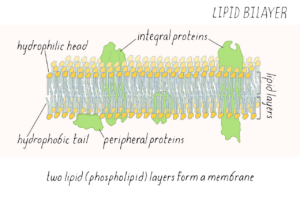
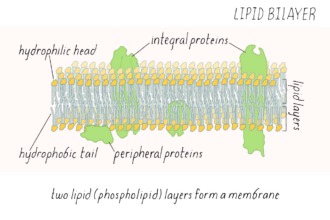
Astaxanthin spans the lipid bilayer, protecting both membrane surfaces simultaneously
ExplainersNew Studies

Astaxanthin, the Membrane-Spanning Antioxidant: Why Molecular Shape Is the Whole Story

By
GMJ Perspectives Desk
20/08/2026
Chart showing creatinine elevation versus stable kidney function markers in creatine supplementation studyIllustrative image · Photo by Alex Saks on Unsplash (Unsplash License)
Clinical UpdatesNew StudiesPracticeResearch Digest

Creatine and Kidney Damage: What the Evidence Actually Shows

By
GMJ Practice Desk
14/08/2026
Facebook Twitter Youtube Instagram
Company
  • Privacy Policy
  • Contact US
  • GMJ Journal
  • Submit Manuscript
  • Editorial Team
  • Register at GMJ
  • Terms of Use

Subscribe to GMJ News — Click here

Join Community
© 2026 Georgian Medical Journal (GMJ). Published by the Public Health Institute of Georgia (PHIG). All rights reserved.
Welcome Back!

Sign in to your account

Username or Email Address
Password

Lost your password?