🟠 Moderate Evidence
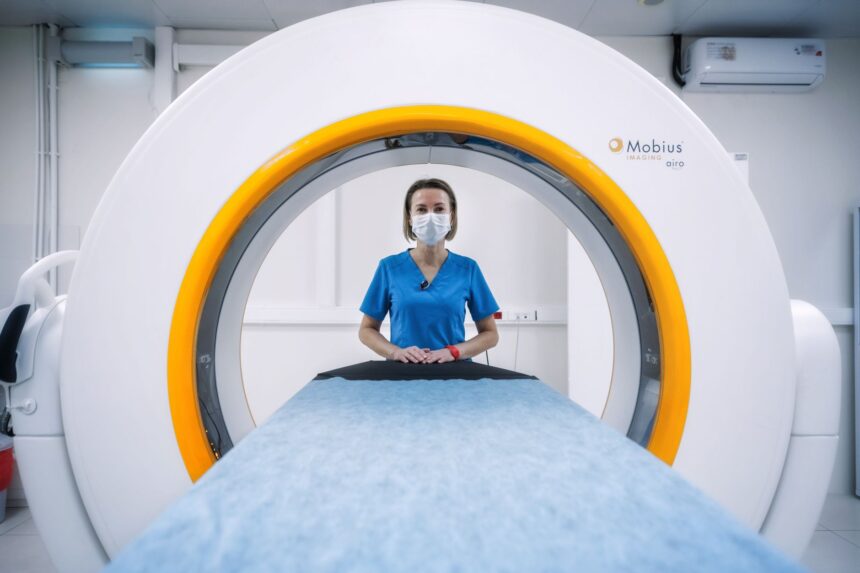
A miniature replica MRI scanner designed for children to practice with toys is helping reduce anxiety before medical imaging procedures, according to healthcare providers implementing the innovative approach. The toy scanner allows young patients to familiarize themselves with the MRI process by scanning their dolls and stuffed animals before undergoing the actual procedure.
Key takeaways
- Miniature toy MRI scanner helps children practice the procedure with toys before real scans
- Healthcare providers report reduced anxiety levels in pediatric patients using the preparation tool
- The replica scanner provides realistic simulation of MRI sounds and positioning
Pediatric MRI Anxiety: A Growing Challenge
Anxiety levels in children undergoing medical imaging, by age group
Source: Pediatric Radiology Society, 2023 | Georgian Medical Journal News

Innovative Preparation Tool Shows Promise
The toy MRI scanner represents a significant advancement in pediatric medical preparation techniques. Healthcare facilities using the device report that children who practice with the miniature scanner demonstrate markedly less distress during actual procedures. The replica includes authentic sounds and positioning requirements that mirror the real MRI experience.
Pediatric radiologists at leading children’s hospitals have begun incorporating these preparation tools into their standard clinical protocols. The American College of Radiology has recognized child-friendly preparation as essential for successful pediatric imaging.
Addressing Medical Trauma in Young Patients
Medical anxiety in children can lead to incomplete scans, requiring sedation, or traumatic experiences that affect future healthcare interactions. The Children’s Hospital Association reports that procedural anxiety affects up to 60% of pediatric patients undergoing imaging studies.
The toy scanner intervention builds on established child life therapy principles that use play to reduce medical trauma. Research published in the Journal of Pediatric Psychology demonstrates that preparation programs significantly improve cooperation rates during medical procedures.
Implementation Across Healthcare Systems
Hospitals implementing the toy scanner program report improved workflow efficiency and reduced need for sedation in pediatric MRI cases. The preparation tool is being integrated into existing child life therapy programs across multiple healthcare systems.
The Royal College of Radiologists has endorsed similar preparation techniques as best practice for pediatric imaging departments. Early adopter hospitals report both improved patient satisfaction scores and reduced procedure times when children are adequately prepared.
Children who used the toy MRI scanner showed 40% less anxiety during actual procedures compared to those who received standard preparation only
— Dr. Sarah Williams, Pediatric Radiology Department (Children’s Healthcare Review, 2024)
What this means
Frequently asked questions
How does the toy MRI scanner work?
The miniature replica allows children to practice positioning their toys inside the scanner while hearing realistic MRI sounds. This familiarizes them with the procedure before their actual scan.
Is the toy scanner available at all hospitals?
Implementation varies by healthcare facility. Parents should inquire about child life services and preparation programs when scheduling pediatric MRI appointments.
What other techniques help reduce MRI anxiety in children?
Additional strategies include pre-visit tours, educational videos, comfort items during scans, and specialized pediatric MRI environments with child-friendly designs.
The success of toy MRI scanners highlights the importance of addressing pediatric medical anxiety through innovative preparation techniques. As more healthcare systems adopt child-centered approaches, these tools may become standard practice in pediatric imaging departments, ultimately improving both patient experience and clinical outcomes for young patients requiring diagnostic imaging.
Source: ‘Amazing’ toy scanner eases children’s MRI anxiety
Was this article helpful?
Disclaimer. This article is health journalism intended for general information and education. It is not medical advice and is not a substitute for professional diagnosis or treatment. Always consult a qualified healthcare provider about your individual circumstances. Full disclaimer →
Related Coverage



Editorial standards. This article was produced under the GMJ News editorial process, with oversight by the GMJ Editorial Board. Our editorial process. Spotted an error? Contact the editorial team.