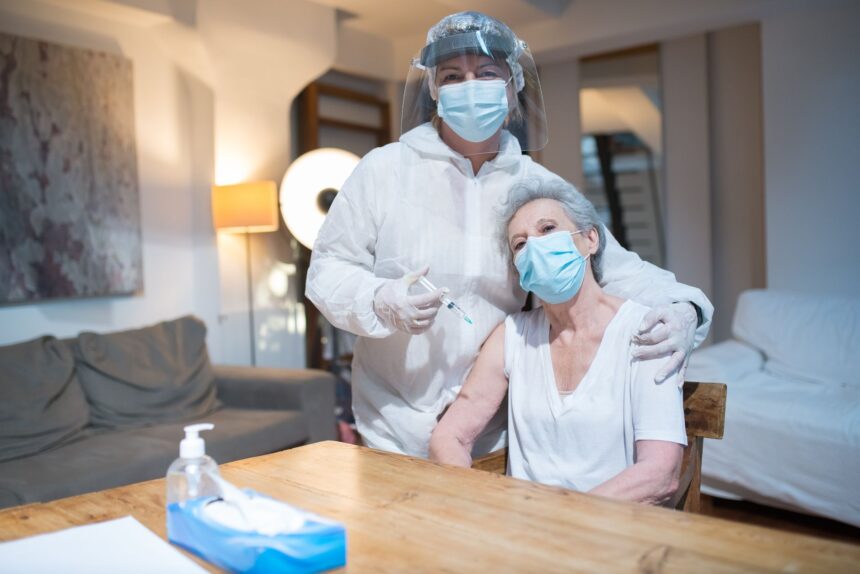
New respiratory syncytial virus (RSV) vaccines are fundamentally changing prevention approaches for older adults, as public health programs expand eligibility criteria to protect broader at-risk populations. The expansion of free RSV vaccination programs to adults over 50 represents a significant shift in respiratory disease prevention strategies for aging populations.
RSV Hospitalization Rates by Age Group
Annual hospitalizations per 100,000 population, adults aged 50+
Source: CDC Surveillance Data, 2023 | Georgian Medical Journal News
Expanded Access Programs Target High-Risk Adults
Health authorities have broadened RSV vaccination eligibility to include adults aged 50 and older with underlying health conditions, expanding beyond the initial focus on those 60 and above. According to the Centers for Disease Control and Prevention, adults with chronic conditions including heart disease, lung disease, and diabetes face elevated risks of severe RSV complications.

The expansion reflects growing recognition of RSV’s impact across broader adult populations. Data from the CDC’s respiratory surveillance network indicates that adults aged 50-64 with comorbidities experience hospitalization rates comparable to healthy adults over 65.
Public health programs in multiple jurisdictions now offer free RSV vaccination to eligible adults, removing cost barriers that previously limited access. This approach aligns with broader health policy initiatives focused on preventive care for aging populations.
Vaccine Effectiveness Drives Policy Changes
Clinical trial data demonstrating strong vaccine effectiveness in older adults has supported the expansion of vaccination programs. Research published in The New England Journal of Medicine showed RSV vaccines reduced severe lower respiratory tract disease by 83% in adults aged 60 and older.
The vaccine’s performance across age groups has informed decisions to extend eligibility to younger adults with risk factors. Studies indicate that adults with chronic obstructive pulmonary disease, congestive heart failure, and immunocompromising conditions benefit significantly from vaccination regardless of age.
Healthcare systems report improved vaccination uptake when programs eliminate cost barriers and clearly define eligibility criteria. The targeted approach focuses resources on populations most likely to experience severe outcomes while building broader community protection.
Implementation Challenges and Healthcare System Adaptation
Healthcare providers are adapting vaccination workflows to accommodate expanded eligibility criteria and identify eligible patients within existing care frameworks. Electronic health record systems increasingly incorporate RSV risk assessment tools to flag appropriate candidates during routine visits.
Supply chain considerations have influenced program rollout timelines, with health authorities coordinating vaccine distribution to ensure adequate coverage for priority populations. The World Health Organization emphasizes the importance of equitable access in vaccination program design.
Training programs for healthcare workers focus on risk assessment protocols and patient counseling regarding RSV vaccination benefits. Clear communication strategies help patients understand eligibility criteria and make informed decisions about vaccination. For more information on clinical updates regarding vaccination programs.
Adults aged 50 and older with chronic medical conditions experience RSV hospitalization rates that justify expanded vaccination eligibility beyond traditional age-based criteria.
— CDC Respiratory Surveillance Network, 2024 Season Summary
Key takeaways
- Free RSV vaccination programs now include adults aged 50+ with chronic health conditions
- Vaccine effectiveness data shows 83% reduction in severe disease among older adults
- Healthcare systems are implementing risk assessment tools to identify eligible patients
Frequently asked questions
Who qualifies for free RSV vaccination under expanded programs?
Adults aged 50 and older with chronic conditions such as heart disease, lung disease, diabetes, or immunocompromising conditions typically qualify. Specific eligibility criteria vary by jurisdiction and should be confirmed with local health authorities.
How effective are RSV vaccines in preventing severe disease?
Clinical trials demonstrate 83% effectiveness in preventing severe lower respiratory tract disease in adults aged 60 and older. The vaccines show consistent protection across different age groups and risk categories.
When should eligible adults receive RSV vaccination?
RSV vaccination is typically recommended before the respiratory virus season, which generally begins in fall and peaks in winter months. Adults should consult healthcare providers about optimal timing based on individual risk factors and local epidemiology.
The expansion of RSV vaccination programs represents a significant advancement in respiratory disease prevention for aging populations. As healthcare systems continue to refine implementation strategies and expand access, these programs may serve as models for comprehensive preventive care approaches. The focus on risk-based eligibility criteria rather than age alone reflects evolving understanding of disease burden and vaccine effectiveness across diverse adult populations.
Source: New RSV Vaccines Reshape Healthy Ageing Strategies for Seniors
Was this article helpful?
Disclaimer. This article is health journalism intended for general information and education. It is not medical advice and is not a substitute for professional diagnosis or treatment. Always consult a qualified healthcare provider about your individual circumstances. Full disclaimer →
Related Coverage



Medically reviewed by Prof. Giorgi Pkhakadze, MD, MPH, PhD. Spotted an error? Contact the editorial team.