By using this site, you agree to the Privacy Policy and Terms of Use.
Accept
GMJ NewsGMJ NewsGMJ News
  • Latest News
    • GMJ Briefs
  • Podcast & Media
    • Podcast Episodes
    • GMJ Audio
    • GMJ Videos
  • Research Digest
    • New Studies
    • Georgian Research
    • Data & Numbers
  • Policy & Systems
    • Health Policy
    • Quality & Safety
    • Migration & Health
    • Global Health
  • Practice
    • Clinical Updates
    • Case Discussions
    • Pharmacy & Prescribing
    • Ingredients A-Z
  • Perspectives
    • Editorial
    • Explainers
    • Voices
    • Letters
  • GMJ Articles
    • Vol. 1 Issue 2 (2026)
    • Vol. 1 Issue 1 (2026)
    • Pre-Launch Articles (2025)
  • Read the Journal →
  • About GMJ News
Notification Show More
Font ResizerAa
GMJ NewsGMJ News
Font ResizerAa
  • Latest News
    • GMJ Briefs
  • Podcast & Media
    • Podcast Episodes
    • GMJ Audio
    • GMJ Videos
  • Research Digest
    • New Studies
    • Georgian Research
    • Data & Numbers
  • Policy & Systems
    • Health Policy
    • Quality & Safety
    • Migration & Health
    • Global Health
  • Practice
    • Clinical Updates
    • Case Discussions
    • Pharmacy & Prescribing
    • Ingredients A-Z
  • Perspectives
    • Editorial
    • Explainers
    • Voices
    • Letters
  • GMJ Articles
    • Vol. 1 Issue 2 (2026)
    • Vol. 1 Issue 1 (2026)
    • Pre-Launch Articles (2025)
  • Read the Journal →
  • About GMJ News
Follow US
GMJ News > Research Digest > Data & Numbers > Nearly Half of Pennsylvania Maternal Deaths Occur After Standard Postpartum Care Ends
Data & NumbersResearch Digest

Nearly Half of Pennsylvania Maternal Deaths Occur After Standard Postpartum Care Ends

GMJ
Last updated: 06/07/2026 02:06
By
GMJ Research Desk
Share
6 Min Read
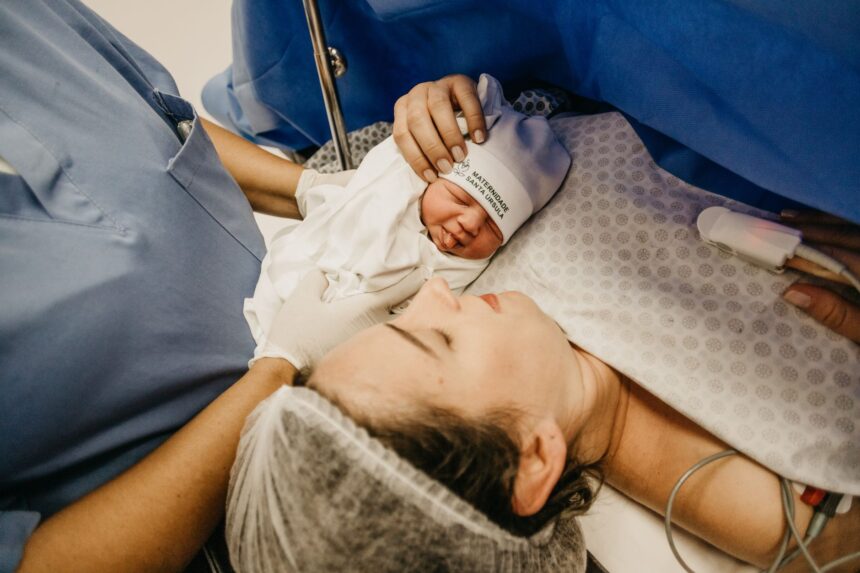
Medical chart showing maternal mortality timeline with emphasis on late postpartum period risksIllustrative image · Photo by Jonathan Borba on Pexels (Pexels License)
New Pennsylvania data reveals 47% of maternal deaths occur after standard six-week postpartum care ends. The findings expose critical gaps in current healthcare protocols that leave women vulnerable to cardiovascular and mental health complications. — Photo by Jonathan Borba on Pexels (Pexels License)
SHARE
4 min read|762 words

New data from Pennsylvania’s Department of Health reveals a critical gap in maternal care: nearly half of pregnancy-related deaths occur more than six weeks after delivery, when standard postpartum monitoring typically ends. The findings underscore growing concerns about the adequacy of current postpartum care protocols in the United States.

Contents
      • Timing of Maternal Deaths in Pennsylvania
  • Late postpartum period shows highest mortality risk
  • Cardiovascular complications drive late deaths
  • Healthcare system gaps leave mothers vulnerable
  • Policy changes target care extension
    • Key takeaways
  • Frequently asked questions
    • Why do most maternal deaths occur after standard postpartum care ends?
    • What health conditions cause late postpartum deaths?
    • How can extended postpartum care prevent these deaths?
47%
of maternal deaths in Pennsylvania occur after 6 weeks postpartum

Timing of Maternal Deaths in Pennsylvania

Distribution of pregnancy-related deaths by postpartum period, 2018-2020

Late postpartum (>6 weeks)
47%
Early postpartum (0-6 weeks)
33%
During pregnancy
20%

Source: Pennsylvania Department of Health, 2023 | Georgian Medical Journal News

Late postpartum period shows highest mortality risk

The Pennsylvania Maternal Mortality Review Committee analyzed pregnancy-related deaths from 2018-2020, finding that the late postpartum period carries the highest risk for maternal mortality. This period, defined as more than 42 days after delivery, accounts for the largest proportion of maternal deaths despite receiving minimal clinical attention.

Submit Your Paper
GMJ_Submit_Banner

Standard postpartum care in the United States typically concludes with a single visit at six to eight weeks after birth. This approach, established decades ago, fails to address the continued medical risks women face in the months following delivery, according to the American College of Obstetricians and Gynecologists.

🎙️ Related Podcast Episodes
🎧 #20 | WHO: Conflict and Instability Make Pregnancy More Dangerous · 18m
🎧 #21 | WHO Issues New Guidance on Novel Snakebite Treatments · 14m
🎧 #16 | WHO Prequalifies New Oral Polio Vaccine to Strengthen Global Eradication Efforts · 20m
🎧 #15 | WHO: One in Two People Facing Cataract Blindness Still Need Access to Surgery · 21m

Cardiovascular complications drive late deaths

The Pennsylvania data shows that cardiovascular conditions, including cardiomyopathy and hypertensive disorders, represent the leading causes of death in the late postpartum period. These conditions often develop gradually and may not manifest symptoms until weeks or months after delivery, making early detection challenging within current care frameworks.

Mental health conditions, particularly postpartum depression and anxiety, also contribute significantly to maternal mortality during this extended period. The Centers for Disease Control and Prevention estimates that suicide and overdose account for approximately 20% of pregnancy-related deaths nationally. For more insights on quality and safety in maternal care, ongoing monitoring protocols remain essential.

Healthcare system gaps leave mothers vulnerable

Current healthcare delivery models create a “cliff effect” where intensive prenatal and delivery care abruptly transitions to minimal postpartum support. Insurance coverage patterns often compound this problem, with many women losing pregnancy-related benefits shortly after the traditional six-week mark.

The World Health Organization recommends extended postpartum monitoring up to one year after delivery, recognizing that maternal health risks persist well beyond the immediate postpartum period. Several European countries have implemented models showing improved outcomes through extended care protocols. Research published in recent studies supports these extended monitoring approaches.

Policy changes target care extension

Pennsylvania health officials are now advocating for policy reforms to extend postpartum Medicaid coverage from 60 days to 12 months after delivery. This change would align with recent federal options allowing states to expand coverage duration under the American Rescue Plan Act.

Healthcare providers are also developing new care models that include regular check-ins, telemedicine consultations, and coordinated care between obstetric and primary care providers throughout the first postpartum year. These interventions aim to identify and address emerging health concerns before they become life-threatening complications.

The late postpartum period represents the highest-risk time for maternal mortality, yet receives the least clinical attention under current US healthcare protocols

— Pennsylvania Maternal Mortality Review Committee (Pennsylvania Department of Health, 2023)

Key takeaways

  • 47% of maternal deaths in Pennsylvania occur more than 6 weeks after delivery
  • Cardiovascular and mental health conditions drive most late postpartum deaths
  • Current 6-week postpartum care model leaves critical health risks unaddressed
  • Extended Medicaid coverage and new care models show promise for reducing mortality

Frequently asked questions

Why do most maternal deaths occur after standard postpartum care ends?

Many pregnancy-related complications, particularly cardiovascular conditions and mental health disorders, develop gradually and may not show symptoms until weeks or months after delivery. The current six-week care model was established when most maternal deaths occurred during or immediately after childbirth.

What health conditions cause late postpartum deaths?

Cardiovascular diseases including cardiomyopathy and hypertensive disorders lead the causes, followed by mental health conditions, infections, and complications from underlying medical conditions that worsen during pregnancy and persist postpartum.

How can extended postpartum care prevent these deaths?

Regular monitoring beyond six weeks allows healthcare providers to detect emerging complications early, manage chronic conditions, provide mental health support, and ensure continuity of care. Studies show that extending coverage and care coordination significantly improves maternal health outcomes.

The Pennsylvania findings highlight an urgent need to redesign postpartum care delivery in the United States. As states consider extending Medicaid coverage and healthcare systems develop new care models, the focus must shift toward recognizing maternal health as a year-long continuum rather than a six-week episode. These changes could prevent hundreds of maternal deaths annually and improve health outcomes for millions of women.

Source: Nearly half of maternal deaths in Pennsylvania occur more than 6 weeks after giving birth

Was this article helpful?

Disclaimer. This article is health journalism intended for general information and education. It is not medical advice and is not a substitute for professional diagnosis or treatment. Always consult a qualified healthcare provider about your individual circumstances. Full disclaimer →

Related Coverage

Lab-grown brain circuits challenge 'irreversible' spinal cord injury paradigmJul 8, 2026
Experimental drug ION224 shows promise against severe fatty liver disease in UC San Diego trialsJul 8, 2026
Double burden of malnutrition emerges in Indian children by age 5, longitudinal study findsJul 8, 2026
Science Replication Crisis Signals Need for Systemic Reform, Not DespairJul 8, 2026
PG
Written by
Prof. Giorgi Pkhakadze, MD, MPH, PhD
Editor-in-Chief, GMJ News
Full profile →  ·  ORCID 0000-0001-7609-4515
Medical disclaimer. This article is health journalism intended for general information. It is not medical advice and is not a substitute for consultation with a qualified healthcare professional. Always seek your physician's advice regarding any medical condition.
Medically reviewed by Prof. Giorgi Pkhakadze, MD, MPH, PhD. Spotted an error? Contact the editorial team.

Get the GMJ News digest
Evidence-based health journalism in your inbox. No spam; unsubscribe anytime.
TAGGED:healthcare policymaternal mortalityPennsylvania health datapostpartum carepregnancy complications
Share This Article
Facebook LinkedIn Bluesky Copy Link Print
GMJ
ByGMJ Research Desk
Follow:
GMJ Research Desk is part of GMJ News, the newsroom of the Georgian Medical Journal (gmj.ge), published by the Public Health Institute of Georgia. Every article is editorially reviewed before publication.
Leave a Comment Leave a Comment

Leave a Reply Cancel reply

Your email address will not be published. Required fields are marked *

Submit Your Paper →

Georgia's peer-reviewed open-access medical journal. No APC until January 2027.
Submit Manuscript →
UK Health Protection Report 2026 Reveals Key Public Health Surveillance Trends

The UK Health Security Agency's Health Protection Report Volume 20 provides comprehensive…

English Resident Doctors Plan Four-Day Strike in June Over Stalled Pay Negotiations

Resident doctors in England will stage their 16th walkout from 15-19 June…

Lab-grown brain circuits challenge ‘irreversible’ spinal cord injury paradigm

Cambridge scientists created lab-grown brain-spinal cord circuits that demonstrate 'irreversible' nerve damage…

Submit Your Paper to GMJ

No APC until January 2027.
Submit Manuscript →

You Might Also Like

Scientific illustration showing CAR-T cells attacking cancer with molecular pathway highlighted
New StudiesResearch Digest

Single protein discovery could unlock CAR-T cell therapy’s full potential

By
GMJ Research Desk
06/06/2026
Brain synaptic network illustration showing enhanced connectivity with combined nutrient approach
New StudiesResearch Digest

Why Nutrients Work Better Together: New Research Reveals Synaptic Benefits of Combined Nutrition

By
GMJ Research Desk
26/05/2026
Medical chart showing tuberculosis screening effectiveness in prison settings across Latin AmericaPhoto by Daniel Radford on Unsplash (Unsplash License)
New StudiesResearch Digest

Prison TB screening could cut population-wide tuberculosis by 28%, mathematical models show

By
GMJ Research Desk
06/06/2026
Scientific comparison chart showing magnesium supplement bioavailability percentages
New Studies

Magnesium Supplement Chemistry: Why Marketing Claims Don’t Match Absorption Science

By
GMJ Research Desk
22/05/2026
Facebook Twitter Youtube Instagram
Company
  • Privacy Policy
  • Contact US
  • GMJ Journal
  • Submit Manuscript
  • Editorial Team
  • Register at GMJ
  • Terms of Use

Subscribe to GMJ News — Click here

Join Community
© 2026 Georgian Medical Journal (GMJ). Published by the Public Health Institute of Georgia (PHIG). All rights reserved.
Welcome Back!

Sign in to your account

Username or Email Address
Password

Lost your password?

Not a member? Sign Up