By using this site, you agree to the Privacy Policy and Terms of Use.
Accept
GMJ NewsGMJ NewsGMJ News
  • Latest News
    • GMJ Briefs
  • Podcast & Media
    • Podcast Episodes
    • GMJ Audio
    • GMJ Videos
  • Research Digest
    • New Studies
    • Georgian Research
    • Data & Numbers
  • Policy & Systems
    • Health Policy
    • Quality & Safety
    • Migration & Health
    • Global Health
  • Practice
    • Clinical Updates
    • Case Discussions
    • Pharmacy & Prescribing
    • Ingredients A-Z
  • Perspectives
    • Editorial
    • Explainers
    • Voices
    • Letters
  • GMJ Articles
    • Vol. 1 Issue 2 (2026)
    • Vol. 1 Issue 1 (2026)
    • Pre-Launch Articles (2025)
  • Read the Journal →
  • About GMJ News
Notification Show More
Font ResizerAa
GMJ NewsGMJ News
Font ResizerAa
  • Latest News
    • GMJ Briefs
  • Podcast & Media
    • Podcast Episodes
    • GMJ Audio
    • GMJ Videos
  • Research Digest
    • New Studies
    • Georgian Research
    • Data & Numbers
  • Policy & Systems
    • Health Policy
    • Quality & Safety
    • Migration & Health
    • Global Health
  • Practice
    • Clinical Updates
    • Case Discussions
    • Pharmacy & Prescribing
    • Ingredients A-Z
  • Perspectives
    • Editorial
    • Explainers
    • Voices
    • Letters
  • GMJ Articles
    • Vol. 1 Issue 2 (2026)
    • Vol. 1 Issue 1 (2026)
    • Pre-Launch Articles (2025)
  • Read the Journal →
  • About GMJ News
Follow US
GMJ News > Policy & Systems > Health Policy > How US immigration policy shapes maternal and child health outcomes
Health PolicyMigration & HealthPolicy & Systems

How US immigration policy shapes maternal and child health outcomes

GMJ
Last updated: 09/07/2026 15:51
By
GMJ Policy Desk
Share
7 Min Read
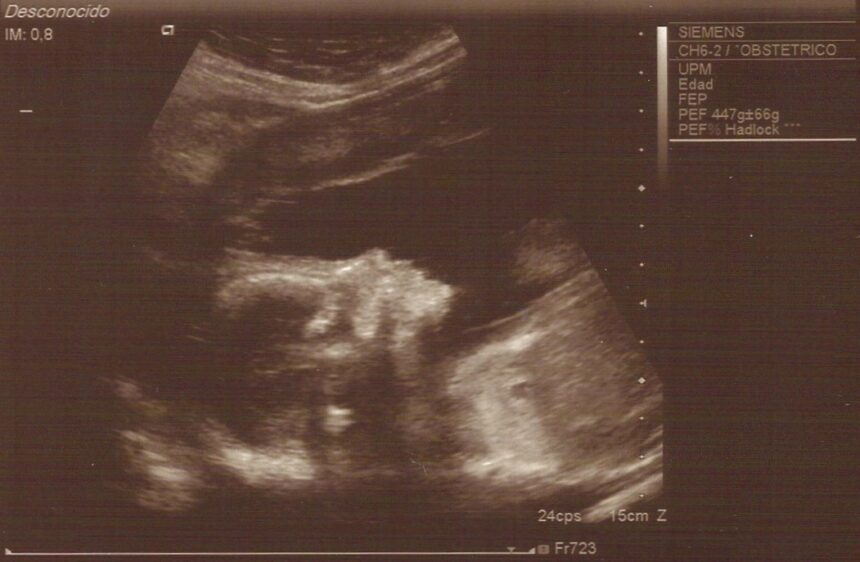
Illustration of barriers to prenatal care access driven by immigration policyIllustrative image · Ecografia 21setmanes.JPG by Jmurcia / CC BY-SA 3.0 via Wikimedia Commons (CC BY-SA 3.0)
Immigration policy restrictions directly limit prenatal care access for undocumented women, reshaping family health decisions and creating measurable population-level maternal and child health consequences. — Ecografia 21setmanes.JPG by Jmurcia / CC BY-SA 3.0 via Wikimedia Commons (CC BY-SA 3.0)
SHARE
4 min read|896 words
✓ Reviewed by Prof. Giorgi Pkhakadze, MD, MPH, PhD · ORCID 0000-0001-7609-4515

Immigration restrictions in the United States are creating measurable barriers to prenatal care and parenting decisions among undocumented women, reshaping family health outcomes across vulnerable communities. Healthcare access limitations rooted in immigration policy are forcing difficult choices at critical moments in pregnancy and early childhood, with implications extending beyond individual health to population-level maternal and child welfare.

Contents
    • Key takeaways
      • Policy barriers to maternal healthcare access
  • Immigration policy as a health determinant
  • Maternal and child health consequences
  • Systemic implications for public health infrastructure
    • What this means
  • Frequently asked questions
    • How do immigration policies affect access to prenatal care?
    • What are the documented health consequences of delayed prenatal care?
    • How do these barriers affect children born to undocumented mothers?
  • Forward-looking considerations for health systems

Key takeaways

  • US immigration policy directly limits access to prenatal care for undocumented women, influencing family planning decisions
  • Healthcare restrictions create barriers during pregnancy and early parenting, with documented effects on maternal and child outcomes
  • Policy-driven healthcare gaps affect not only individual families but broader public health infrastructure and community health equity
Healthcare access barriers
Immigration policy restrictions directly shape whether undocumented women seek prenatal care, creating cascading effects on maternal and child health outcomes

Policy barriers to maternal healthcare access

Documented constraints on undocumented women’s healthcare decisions during pregnancy and early parenthood

Prenatal care delays
High impact
Delivery decisions
High impact
Postpartum care
High impact
Child preventive services
Significant

Source: Health policy analysis of immigration-healthcare intersections | Georgian Medical Journal News

Immigration policy as a health determinant

Immigration restrictions function as a social determinant of health, directly influencing whether women access evidence-based prenatal screening, nutrition counselling, and delivery planning. Research on health equity demonstrates that policy-level barriers operate alongside individual, clinical, and systemic factors to shape maternal health outcomes, according to frameworks documented in peer-reviewed public health literature.

Submit Your Paper
GMJ_Submit_Banner

Undocumented women face compounded constraints: fear of deportation, ineligibility for public insurance programs, and limited access to integrated prenatal services create a system that systematically defers or eliminates care seeking during pregnancy. These barriers emerge not from clinical inadequacy but from policy design that explicitly conditions healthcare access on immigration status.

🎙️ Related Podcast Episodes
🎧 #33 | GMJ Podcast | Public Health Policy as Education in NCD Prevention — Commentary by Owen Thomas · 21m
🎧 #26 | Denmark Becomes First EU Country to Eliminate Mother-to-Child Transmission of HIV and · 14m
🎧 #25 | WHO Warns: Childhood Hearing Loss Must Be Addressed Early · 19m
🎧 #20 | WHO: Conflict and Instability Make Pregnancy More Dangerous · 18m
🎧 #18 | WHO Updates HIV Clinical Management Guidelines to Improve Global Treatment · 17m

Maternal and child health consequences

The health consequences of delayed or absent prenatal care are well-documented in obstetric literature. Prenatal screening detects conditions—gestational diabetes, preeclampsia, fetal anomalies—that require early intervention to prevent maternal complications and adverse birth outcomes. When women defer or forgo care due to policy-driven fear, these conditions go undetected until labour or postpartum complications arise, increasing morbidity and mortality risk.

Postpartum, restrictions on healthcare access extend to children, limiting their access to routine immunisations, developmental screening, and early intervention services. The public health implications include reduced population immunity levels and delayed detection of developmental delays, with effects measurable at the community level.

Immigration policy restrictions directly reshape prenatal care decisions and family health outcomes, operating as a documented public health determinant that affects maternal mortality, child health, and population-level vaccination coverage.

— Health equity and immigration policy researchers

Systemic implications for public health infrastructure

Healthcare systems designed to serve undocumented populations must account for policy-driven barriers that operate upstream of clinical decisions. Emergency departments, for example, absorb the burden of delayed prenatal complications and labour-related emergencies, while preventive infrastructure remains underutilised.

Public health agencies tracking maternal mortality and child health indicators now document that immigration status functions as a reportable risk factor. This shift reflects the reality that policy-level barriers have become epidemiologically measurable determinants of health outcomes, comparable to other established social risk factors documented in health policy and epidemiological research.

What this means

For patients: Undocumented women and families face policy-driven barriers to prenatal care and child health services that are beyond individual clinical control; accessing care carries immigration-related risks that require informed decision-making alongside medical counselling.
For clinicians: Healthcare providers serving undocumented populations must understand immigration policy as a health determinant affecting patient decisions and health outcomes; trauma-informed, confidentiality-protected care models are essential to engage patients despite policy barriers.
For policymakers: Immigration policy design directly shapes maternal and child health outcomes at the population level; healthcare access restrictions create measurable epidemiological harms documented in maternal mortality, immunisation coverage, and developmental health—outcomes with cascading effects on public health infrastructure and community health equity.

Frequently asked questions

How do immigration policies affect access to prenatal care?

Immigration restrictions limit healthcare access through ineligibility for public insurance, fear of deportation during healthcare encounters, and reduced availability of culturally competent, immigration-aware care. These policy-level barriers force women to delay or forgo prenatal screening, nutrition counselling, and delivery planning during pregnancy—decisions with documented effects on maternal and fetal outcomes.

What are the documented health consequences of delayed prenatal care?

Delayed prenatal care reduces detection of gestational diabetes, preeclampsia, and fetal anomalies, increasing risks of maternal complications, preterm labour, and adverse birth outcomes. These consequences are well-established in obstetric literature and represent preventable harms directly attributable to care delays driven by policy barriers rather than clinical factors.

How do these barriers affect children born to undocumented mothers?

Children face reduced access to routine immunisations, developmental screening, and early intervention services when their mothers’ immigration status limits family healthcare engagement. This creates population-level effects on vaccination coverage, delayed detection of developmental delays, and reduced preventive care utilisation in vulnerable communities.

Forward-looking considerations for health systems

Health systems and public health agencies increasingly recognise immigration policy as a social determinant of health requiring measurement and response. Documenting the epidemiological impact of policy-driven healthcare barriers—through maternal mortality review, immunisation coverage analysis, and developmental health surveillance—creates evidence that can inform policy redesign and clinical adaptation. The path forward requires integrated approaches that acknowledge policy as a health determinant while building healthcare infrastructure resilient to policy-level barriers.

Source: US immigration policies interfere with prenatal care and parenting choices, hurting people and communities — The Conversation

Was this article helpful?

Disclaimer. This article is health journalism intended for general information and education. It is not medical advice and is not a substitute for professional diagnosis or treatment. Always consult a qualified healthcare provider about your individual circumstances. Full disclaimer →

Related Coverage

The Hidden Cost of Secrecy: How Missing Research Data Undermines Clinical GuidanceJul 9, 2026
Silent spread of chronic wasting disease raises cross-species transmission concernsJul 9, 2026
New AI Model Strips Personal Data From ECGs While Preserving Heart Risk InformationJul 9, 2026
Bidi Smoking Linked to Elevated Cancer Risk in Large Indian StudyJul 9, 2026
PG
Written by
Prof. Giorgi Pkhakadze, MD, MPH, PhD
Editor-in-Chief, GMJ News
Full profile →  ·  ORCID 0000-0001-7609-4515
Medical disclaimer. This article is health journalism intended for general information. It is not medical advice and is not a substitute for consultation with a qualified healthcare professional. Always seek your physician's advice regarding any medical condition.
Medically reviewed by Prof. Giorgi Pkhakadze, MD, MPH, PhD. Spotted an error? Contact the editorial team.
Get the GMJ News digest
Evidence-based health journalism in your inbox. No spam; unsubscribe anytime.
TAGGED:health equityimmigrationMaternal Healthprenatal carepublic health policy
Share This Article
Facebook LinkedIn Bluesky Copy Link Print
GMJ
ByGMJ Policy Desk
Follow:
GMJ Policy Desk is part of GMJ News, the newsroom of the Georgian Medical Journal (gmj.ge), published by the Public Health Institute of Georgia. Every article is editorially reviewed before publication.
Leave a Comment Leave a Comment

Leave a Reply Cancel reply

Your email address will not be published. Required fields are marked *

Submit Your Paper →

Georgia's peer-reviewed open-access medical journal. No APC until January 2027.
Submit Manuscript →
Personalized Cartilage Grafts Offer New Hope for Infants with Life-Threatening Airway Narrowing

Researchers at Children's Hospital of Philadelphia have developed personalized cartilage grafts using…

Beyond GLP-1 drugs: Why obesity care requires more than medication

GLP-1 medications like semaglutide and tirzepatide have transformed obesity treatment, yet leading…

US Infant Mortality Reaches Historic Low, Yet Lags Peer Nations

The United States achieved an all-time low in infant mortality in 2025…

Submit Your Paper to GMJ

No APC until January 2027.
Submit Manuscript →

You Might Also Like

Children walking to damaged school building after climate disaster, symbolizing educational disruption
Global HealthPolicy & Systems

Climate Change Disrupts Education for 617 Million Children in Poverty Worldwide

By
GMJ Policy Desk
12/06/2026
Healthcare professionals discussing staffing challenges and mental health service gapsIllustrative image · Photo by www.kaboompics.com on Pexels (Pexels License)
Health PolicyPolicy & Systems

Healthcare Workers Face Critical Shortages as Mental Health Crisis Deepens

By
GMJ Policy Desk
23/06/2026
Medical catheter device with FDA safety warning symbol
Policy & SystemsQuality & Safety

FDA Issues Early Alert for Abiomed Catheter Kit Linked to Blood Clot Formation

By
GMJ Policy Desk
05/06/2026
UK NHS hospital with medical staff, representing junior doctors strike resolutionIllustrative image · Photo by Roger Brown on Pexels (Pexels License)
Health PolicyPolicy & Systems

UK Resident Doctors Cancel Five-Day Strike After Government Pay Negotiations

By
GMJ Policy Desk
01/07/2026
Facebook Twitter Youtube Instagram
Company
  • Privacy Policy
  • Contact US
  • GMJ Journal
  • Submit Manuscript
  • Editorial Team
  • Register at GMJ
  • Terms of Use

Subscribe to GMJ News — Click here

Join Community
© 2026 Georgian Medical Journal (GMJ). Published by the Public Health Institute of Georgia (PHIG). All rights reserved.
Welcome Back!

Sign in to your account

Username or Email Address
Password

Lost your password?

Not a member? Sign Up