Updated 14/09/2026
The Pan American Health Organization (PAHO) has issued an urgent call for countries across the Americas to strengthen vaccination campaigns, citing a notable increase in diphtheria cases reported in the region. The resurgence of this vaccine-preventable disease signals gaps in immunisation coverage and highlights the critical importance of maintaining high vaccination rates across all age groups.
Key takeaways
- Diphtheria cases are rising across the Americas, according to PAHO surveillance data reported in June 2026
- PAHO has urged member states to strengthen vaccination efforts and achieve higher population immunity coverage
- Diphtheria remains preventable through the diphtheria-tetanus-pertussis (DTP) vaccine, which is part of routine childhood immunisation schedules
- Low vaccination coverage in some regions creates vulnerability to outbreaks of this potentially fatal infectious disease
Diphtheria Prevention Through Vaccination Coverage
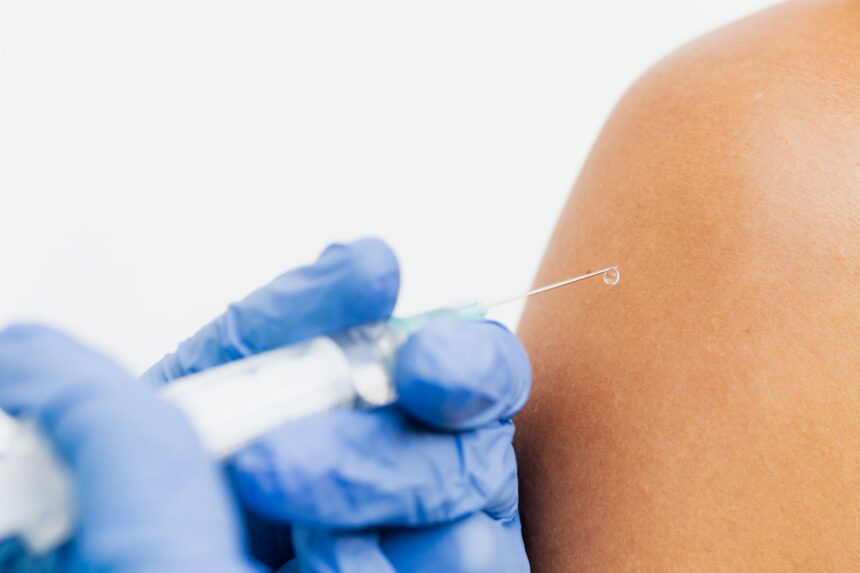
The DTP vaccine remains the gold standard for diphtheria prevention across all age groups in the Americas
Source: PAHO Immunisation Guidelines, 2026 | Georgian Medical Journal News

Gaps in Immunisation Coverage Drive Resurgence
The recent rise in diphtheria cases across the Americas reflects declining vaccination coverage in several countries, according to PAHO’s June 2026 statement. Disruptions to routine immunisation programmes, reduced vaccine uptake, and vaccine hesitancy have contributed to populations falling below the herd immunity threshold needed to prevent disease spread.
Diphtheria, caused by Corynebacterium diphtheriae, remains a serious threat in areas where vaccination coverage drops below 85–90 percent. The disease can cause severe respiratory complications, myocarditis, and neurological sequelae, with mortality rates ranging from 5–10 percent in untreated cases, according to clinical literature. Clinical updates from regional health authorities emphasise that vaccination remains the only reliable preventive measure.
PAHO has called on member states to urgently review and strengthen their vaccination campaigns, with a particular focus on reaching underserved and marginalised populations where coverage gaps are widest.
— Pan American Health Organization, June 2026
Risk Factors and Vulnerable Populations
Certain populations across the Americas face heightened diphtheria risk due to low vaccination coverage. These include indigenous communities, migrant populations, and areas with limited access to healthcare services. PAHO has highlighted that vaccine equity remains a critical challenge, with some countries reporting vaccination coverage as low as 60–70 percent in remote or economically disadvantaged regions.
Children under five years old and adults aged 60 and above are particularly vulnerable to severe disease outcomes if exposed to diphtheria. Additionally, individuals with incomplete or no vaccination history form a susceptible population pool that can sustain transmission chains. Migration and health dynamics in the region further complicate outbreak prevention efforts, as population movement can facilitate disease spread across borders.
PAHO’s Strategic Recommendations for Member States
PAHO has issued specific guidance for countries to address the diphtheria threat. Recommendations include: conducting rapid vaccination coverage assessments; implementing catch-up immunisation campaigns targeting children and adolescents; strengthening supply chain management to ensure vaccine availability; and enhancing disease surveillance to detect cases early. The organisation has also emphasised the importance of combining vaccination efforts with robust laboratory confirmation and antimicrobial treatment protocols.
Countries with immunisation coverage below 85 percent have been advised to prioritise vaccination campaigns immediately. PAHO has indicated that technical support and vaccine procurement assistance are available through the organisation for member states facing supply or capacity constraints. These efforts align with broader commitments to reach targets outlined in the Sustainable Development Goal for health and well-being.
What this means
Frequently asked questions
What is diphtheria and why is it serious?
Diphtheria is a serious bacterial infection caused by Corynebacterium diphtheriae that damages the respiratory system, heart, and nervous system. It can cause airway obstruction, heart inflammation (myocarditis), and paralysis. Without treatment, mortality ranges from 5–10 percent. Vaccination is 95 percent effective at preventing the disease, according to WHO immunisation guidance.
Who should be vaccinated against diphtheria?
All children should receive a complete primary series of three DTP vaccine doses, plus booster doses at prescribed intervals. Adults born before routine vaccination programmes began in their country, or those with unknown vaccination history, should receive the Tdap vaccine. Booster doses of Td or Tdap are recommended every 10 years throughout adulthood to maintain immunity.
What should I do if I suspect diphtheria in myself or a family member?
Seek emergency medical care immediately if you or a family member develops a sore throat with a thick, greyish membrane in the throat; difficulty breathing or swallowing; or muscle weakness or paralysis. Diphtheria requires prompt antitoxin treatment and antibiotics, which are most effective when given early. Ensure your vaccination status is current and contact your healthcare provider if you believe you are due for a booster dose.
The resurgence of diphtheria in the Americas underscores the continuing importance of routine immunisation programmes and public health vigilance. PAHO’s call for strengthened vaccination efforts reflects the hard-learned lesson that vaccine-preventable diseases remain a threat wherever vaccination coverage falls below protective thresholds. Renewed commitment to vaccination equity, improved access, and sustained disease surveillance will be essential to prevent further spread and protect vulnerable populations across the region.
Source: PAHO urges countries to strengthen vaccination efforts as diphtheria cases rise in the Americas
🗺️ Find certified Georgian healthcare providers: sheniekimi.ge — Georgia Health Map · 998 clinics · 6,600+ doctors · 2,296 pharmacies
Was this article helpful?
Disclaimer. This article is health journalism intended for general information and education. It is not medical advice and is not a substitute for professional diagnosis or treatment. Always consult a qualified healthcare provider about your individual circumstances. Full disclaimer →
Related Coverage




Editorial standards. This article was produced under the GMJ News editorial process, with oversight by the GMJ Editorial Board. Our editorial process. Spotted an error? Contact the editorial team.