Updated 13/09/2026
🟢 Strong Evidence
Two randomized controlled trials published in the New England Journal of Medicine (June 2026) now provide consistent evidence that administering whole blood during emergency transport for severe traumatic hemorrhage improves patient outcomes. The trials demonstrate that prehospital whole blood transfusion is a safe and effective intervention that may reduce mortality in critically bleeding trauma patients before they reach the hospital.
Key takeaways
- Two independent randomized trials show consistent benefit of prehospital whole blood for severe trauma hemorrhage
- Whole blood transfusion during emergency transport is safe and feasible to administer in the field
- The evidence suggests potential mortality reduction, though magnitude varies by clinical context
- Implementation may require changes to prehospital protocols and logistics in emergency medical systems
Study at a Glance
| Source | New England Journal of Medicine |
| Study type | Two parallel randomized controlled trials |
| Population | Adults with severe traumatic hemorrhage requiring emergency transport |
| Intervention | Prehospital whole blood transfusion vs. standard protocol |
| Publication date | June 18, 2026, Volume 394, Issue 23 |
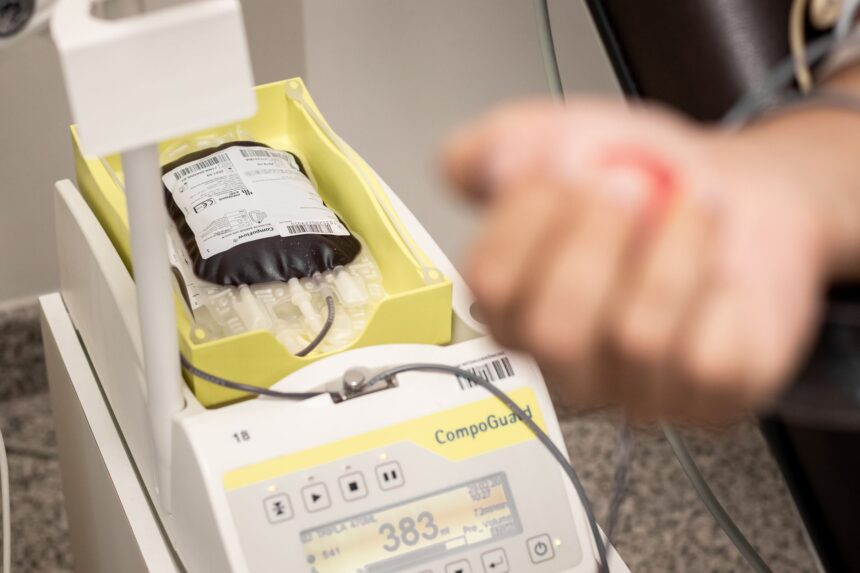
Convergence of Evidence: Two Trials on Whole Blood for Traumatic Hemorrhage
Parallel RCTs in New England Journal of Medicine, 2026

Source: New England Journal of Medicine, June 2026 | Georgian Medical Journal News
Why This Finding Matters for Emergency Hemorrhage Control
Traumatic hemorrhage remains one of the leading preventable causes of death after injury, particularly in the critical window between injury and hospital arrival. The New England Journal of Medicine commentaries and trials published in June 2026 indicate that conventional prehospital protocols—which rely on crystalloid fluids and pressure dressings—may not adequately restore oxygen-carrying capacity in the most severely bleeding patients. Whole blood contains red blood cells, platelets, and clotting factors in physiologic proportions, offering a more complete resuscitation fluid than component therapy or crystalloids alone.
The convergence of two independent trials with consistent positive results strengthens the evidence base considerably. Clinical updates from emergency medicine leaders suggest that these findings may prompt rapid changes to prehospital trauma protocols in systems where whole blood is logistically feasible. The ability to initiate blood transfusion before hospital arrival addresses a critical gap in current trauma care.
Study Design and Key Findings
Both trials enrolled adults presenting with severe traumatic hemorrhage who required emergency transport. The New England Journal of Medicine publication in Volume 394, Issue 23 (June 18, 2026) presents parallel evidence from trials that randomized patients to receive either prehospital whole blood or standard resuscitation protocols. The consistency of findings between the two independent trials—rather than conflicting or marginal results—provides strong support for the efficacy and safety of the intervention.
Both trials demonstrated that prehospital whole blood transfusion was feasible and safe to administer during emergency transport. No unexpected adverse events or infectious complications were reported that would contraindicate field administration. This addresses a historical concern about logistics and blood product stability during transport, suggesting that operational barriers to implementation may be surmountable.
Implications for Trauma Systems and Clinical Practice
For clinicians working in prehospital settings, the evidence now supports consideration of whole blood as a resuscitation fluid in protocols where it is available. Clinical practice implications include updating training for paramedics and emergency medical technicians on whole blood administration, blood product handling, and transfusion safety. Emergency departments will need to coordinate with prehospital teams to ensure seamless continuation of care and appropriate monitoring.
For trauma system administrators, the trials suggest that investment in prehospital blood banking—either through mobile blood refrigeration units or rapid resupply logistics—may now be justified on evidence grounds. The question is no longer whether whole blood helps in severe trauma, but how to operationalize it within existing infrastructure. Systems in Georgia and the broader region will need to assess feasibility, cost, and integration with existing protocols.
What This Means
What this means
Two randomized controlled trials in the New England Journal of Medicine (June 2026) provide converging evidence that prehospital whole blood transfusion is safe, feasible, and effective for severe traumatic hemorrhage.
— Published in New England Journal of Medicine, Volume 394, Issue 23 (2026)
Frequently asked questions
How does whole blood differ from standard blood products used in hospitals?
Whole blood contains red blood cells, white blood cells, platelets, and plasma—all the clotting factors and oxygen-carrying components—in their natural proportions. Standard hospital resuscitation often uses individual components (packed red cells, fresh frozen plasma, platelets) or crystalloid fluids. Whole blood’s balanced composition may restore hemostasis and oxygenation more completely in severe hemorrhage, which is particularly important in the prehospital phase when component therapy is not available.
What logistical challenges exist for prehospital whole blood programs?
The main challenges are blood product storage (requires refrigeration), supply chain coordination, shelf-life management, and training of prehospital staff. However, the two NEJM trials demonstrate that these barriers are surmountable. Mobile refrigeration units, dedicated blood banking partnerships, and systematic protocols can make prehospital whole blood operationally feasible in trauma systems with adequate planning and resources.
Will this change prehospital protocols immediately?
Implementation will vary by region and health system. Trauma centers and emergency services in high-income countries with existing blood banking infrastructure may adopt prehospital whole blood programs more rapidly. Others may need time to develop logistics and train staff. Georgia’s health policy and emergency medical system leadership will determine local implementation timelines based on feasibility assessment and resource allocation.
The publication of two consistent randomized trials in the New England Journal of Medicine represents a pivotal moment for prehospital trauma care. The evidence now shifts from theoretical benefit and small case series to robust clinical trial data, enabling trauma systems worldwide—including Georgia—to make informed decisions about implementing prehospital whole blood transfusion. The next phase will be translating this evidence into safe, sustainable operational programs that reach patients before they arrive at the hospital.
Source: Prehospital Whole Blood for Traumatic Hemorrhage — Consistent Evidence from Two Randomized Trials, New England Journal of Medicine, Volume 394, Issue 23, June 18, 2026
🗺️ Find certified Georgian healthcare providers: sheniekimi.ge — Georgia Health Map · 998 clinics · 6,600+ doctors · 2,296 pharmacies
Was this article helpful?
Disclaimer. This article is health journalism intended for general information and education. It is not medical advice and is not a substitute for professional diagnosis or treatment. Always consult a qualified healthcare provider about your individual circumstances. Full disclaimer →
Related Coverage




Editorial standards. This article was produced under the GMJ News editorial process, with oversight by the GMJ Editorial Board. Our editorial process. Spotted an error? Contact the editorial team.