Updated 13/09/2026
🟠 Moderate Evidence
Teenagers whose parents are frequently distracted by mobile devices show increased rates of insecure attachment styles, according to new research on digital mental health. The finding adds to growing evidence that parental screen use—not just children’s use—may affect adolescent psychological development and long-term health outcomes.
Key takeaways
- Teenagers report that caregivers’ phone distraction correlates with insecure attachment patterns
- Insecure attachment in adolescence is associated with adverse effects on physical and mental health trajectories into adulthood
- The research extends concerns about screen time beyond children to include parental device use as a developmental factor
Study at a Glance
| Research area | Digital mental health and parent-child attachment |
| Study type | Observational / cross-sectional |
| Population | Teenagers reporting on parental phone use patterns |
| Key finding | Caregiver phone distraction associated with insecure attachment styles |
| Implication | Parental screen habits may influence adolescent attachment security and future health |
Attachment Styles and Developmental Pathways
How parental distraction relates to long-term health outcomes in adolescence

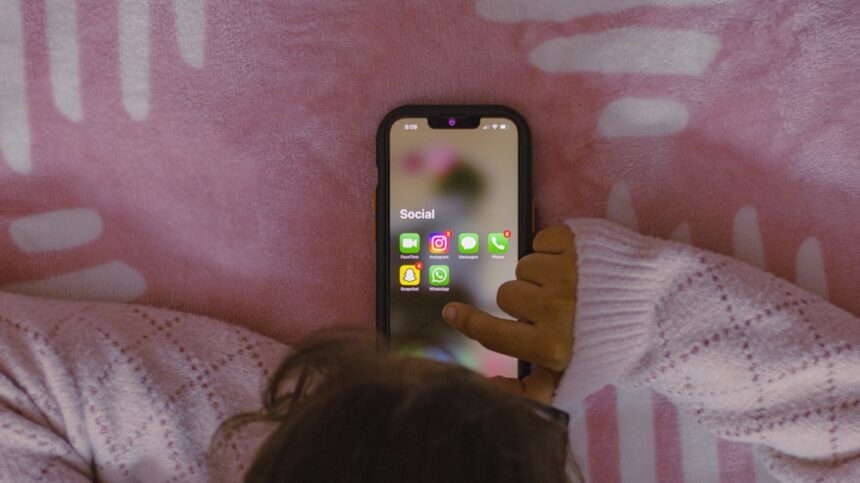
Conceptual representation | Georgian Medical Journal News, 2026
The Growing Recognition of Parental Screen Distraction
While public health messaging has focused heavily on children’s screen time—with organizations like the World Health Organization publishing guidelines on recommended screen limits—the impact of caregiver device use on child development has received less formal study. Researchers investigating digital mental health noted an uptick in clinical reports from adolescents expressing frustration, anxiety, or hurt regarding their parents’ divided attention.
This observation prompted a systematic investigation into whether parental phone distraction correlates with measurable changes in attachment security. Attachment theory, grounded in decades of developmental psychology research, predicts that responsive parenting—characterized by attunement and presence—shapes an adolescent’s expectations of relationships and their ability to regulate emotion and seek support.
Insecure Attachment and Lifelong Health Implications
The research documents that teenagers reporting high levels of parental phone distraction display attachment patterns characterized as insecure—either anxious, avoidant, or disorganized. These styles emerge when a caregiver is perceived as unreliable, inconsistently available, or dismissive. Insecure attachment in adolescence is not merely a social or emotional concern; longitudinal studies indicate it predicts adverse outcomes across physical and mental health domains.
According to attachment research spanning multiple decades, individuals with insecure attachment patterns show elevated risk for anxiety disorders, depression, relationship difficulties, and reduced help-seeking behavior in adulthood. This suggests that parental phone distraction during critical developmental years may have consequences extending far beyond childhood, potentially affecting how adolescents manage stress, form relationships, and access healthcare as adults.
Teenagers who report frequent parental phone distraction display increased rates of insecure attachment styles, which carry documented associations with adverse mental and physical health trajectories.
— Researchers investigating digital mental health and parent-child attachment
Implications for Clinical Practice and Family Well-Being
The findings suggest that clinicians assessing adolescent mental health should consider parental screen habits as part of the developmental history, similar to how they assess other aspects of parenting quality and family environment. Pediatricians and mental health professionals working with teenagers presenting with anxiety, low self-worth, or attachment-related difficulties might inquire about parental phone use as a potential contributing factor.
For families, the research underscores that presence—the quality of attention parents give their children—may be as important as the activities or resources families provide. This does not imply that parents must eliminate technology use entirely, but rather suggests that intentional, device-free interaction time may support secure attachment and, by extension, better mental health outcomes.
What this means
Frequently asked questions
Does this mean parents should never use phones around their teenagers?
No. The research identifies a pattern—frequent, habitual distraction—rather than occasional phone use. Parents can maintain healthy technology habits while being present: setting device-free times during meals or conversations, demonstrating intentional phone use, and prioritizing face-to-face interaction. The goal is responsive presence, not perfect availability.
Can insecure attachment in adolescence be reversed or improved?
Yes. Attachment patterns, while rooted in early caregiving, remain responsive to relational experiences throughout development. Family therapy, improved parental awareness of attachment patterns, and sustained efforts to rebuild secure connection can help adolescents develop more secure relational expectations. Additionally, secure relationships with other trusted adults (teachers, mentors, therapists) can partially offset insecure parental attachment.
Is this research specific to a particular age group or culture?
The research focuses on teenagers, who are in a critical developmental period for identity formation and peer relationships. Attachment effects may vary across cultures with different family structures and norms around technology use. Clinicians should interpret findings within the context of individual family circumstances and cultural values.
As families increasingly navigate the integration of digital technology into daily life, the research underscores a complementary concern: that caregiver distraction may warrant the same attention that child screen time has received. Future research exploring interventions—such as family-based digital wellness programs or parenting education focused on intentional technology use—may help clarify how families can harness the benefits of connectivity while protecting the relational presence that secure attachment requires. See more on clinical updates and adolescent mental health.
Source: Teenagers whose parents are more distracted by phones may be more insecure
🗺️ Find certified Georgian healthcare providers: sheniekimi.ge — Georgia Health Map · 998 clinics · 6,600+ doctors · 2,296 pharmacies
Was this article helpful?
Disclaimer. This article is health journalism intended for general information and education. It is not medical advice and is not a substitute for professional diagnosis or treatment. Always consult a qualified healthcare provider about your individual circumstances. Full disclaimer →
Related Coverage




Editorial standards. This article was produced under the GMJ News editorial process, with oversight by the GMJ Editorial Board. Our editorial process. Spotted an error? Contact the editorial team.