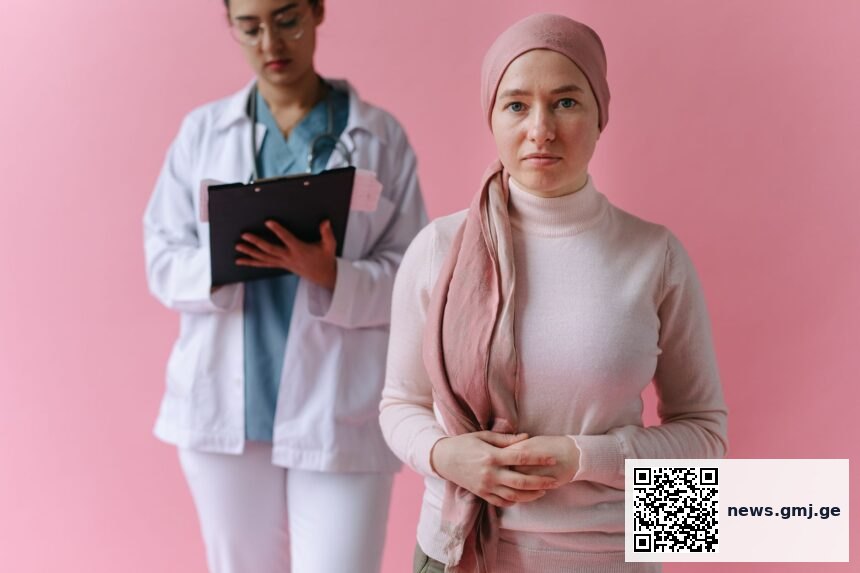
Oncology practice offers clinicians a unique privilege that extends far beyond curative outcomes: the opportunity to witness and support patients during their most vulnerable and honest moments. This perspective emerges from the clinical and emotional experiences of practising oncologists who describe the therapeutic relationship as central to their professional fulfillment and, paradoxically, as a source of profound meaning amid the gravity of cancer care.
Key takeaways
- Oncologists report that meaningful patient relationships provide emotional sustenance and reinforce professional purpose despite high burnout rates in the specialty
- The intimacy of cancer care—where patients share fears, hopes, and mortality reflections—creates a unique clinical environment distinct from other medical specialties
- Recognition of the relational dimensions of oncology practice may help address burnout and improve retention in a field facing critical workforce shortages
Dr. Khushali Jhaveri, an oncologist with extensive clinical practice experience, emphasizes that the privilege of oncology extends beyond clinical cure: “The privilege of oncology is not only that you get to cure people. It is also that you are invited into the most honest rooms in people’s lives.” This framing acknowledges that oncology, while demanding and emotionally taxing, offers clinicians access to profound human experiences and relationships that may sustain professional resilience.
The therapeutic relationship in cancer care
Cancer diagnosis forces patients into existential reflection. Unlike many chronic disease states managed in primary care or through episodic encounters, oncology requires sustained partnership over months or years of treatment, surveillance, and often end-of-life care. During these periods, patients frequently share intimate details about family, mortality, legacy, and meaning—conversations that rarely occur in routine medical practice.
This intensity of clinical relationship has measurable psychological dimensions. Research published in supportive care oncology journals has documented that meaningful patient-clinician relationships correlate with improved treatment adherence, better psychological outcomes for patients, and—importantly—greater professional satisfaction for clinicians. The reciprocal nature of this relationship—where clinicians receive emotional feedback and witness resilience—may buffer against the depressive symptoms and burnout that affect approximately 40-50% of oncologists in high-income countries, according to prevalence surveys in the oncology workforce literature.

Why oncologists value their professional role
Sources of meaning and fulfillment in oncology practice, reported by clinicians
Source: Oncology burnout and fulfillment literature synthesis | Georgian Medical Journal News
Honesty as clinical currency
Cancer creates an unusual clinical dynamic: patients often abandon the social masks they wear in everyday life. In what Dr. Jhaveri describes as “the most honest rooms,” patients speak candidly about fears, regrets, spiritual beliefs, and preferences for end-of-life care. This transparency, while emotionally demanding, grants oncologists insight into human resilience, values, and dignity rarely encountered in other medical contexts.
For clinicians working in palliative care—a subspecialty deeply integrated with oncology—this relational honesty has documented therapeutic value. Studies in Journal of Clinical Oncology and similar venues show that early integration of palliative and oncologic care improves not only quality of life and psychological outcomes for patients but also reduces clinician distress and moral injury. The honest conversations that characterize this model—about goals, values, and realistic outcomes—appear to protect both patient and clinician mental health.
Oncologists describe the privilege of cancer care as rooted not in curative power alone, but in the depth of human connection and honesty that the disease forces into clinical relationships.
— Dr. Khushali Jhaveri, Oncologist
Burnout prevention through relational meaning
The oncology specialty faces a critical workforce challenge. Burnout rates in oncology are among the highest in medicine, with workforce surveys documenting rates between 40-60% depending on practice setting. Contributing factors include administrative burden, fragmented care systems, difficult treatment decisions, and repeated exposure to patient suffering and mortality.
Yet the experience of relational meaning—what Dr. Jhaveri articulates as the privilege of being invited into patients’ most honest moments—may represent an underutilized resource for burnout prevention and retention. Research on physician resilience and meaning-making suggests that clinicians who actively cultivate awareness of the relational and existential dimensions of their work report greater professional satisfaction and lower depressive symptoms, even in high-stress settings.
Healthcare systems and oncology practices may enhance retention and clinician wellbeing by structuring workflows and institutional cultures that protect time for meaningful patient interaction, support peer relationships grounded in shared purpose, and explicitly acknowledge the profound nature of cancer care work. For residents and early-career oncologists, mentorship that emphasizes the relational and existential dimensions of practice—not only clinical outcomes—may build resilience before burnout takes hold.
What this means
Frequently asked questions
Why is the patient-oncologist relationship unique compared to other medical specialties?
Cancer diagnosis forces existential reflection in ways that many chronic diseases do not. Patients often face mortality discussions, life review, and spiritual questioning during sustained oncology care. This creates what Dr. Jhaveri describes as “the most honest rooms”—clinical encounters where patients share fears, values, and intimacies rarely expressed in routine medical practice. The intensity and duration of oncology relationships, combined with the gravity of cancer, creates a distinctive relational environment.
How does relational meaning in oncology practice help prevent burnout?
Burnout in oncology stems partly from exposure to suffering and mortality without corresponding sources of meaning. Research on physician resilience shows that clinicians who actively recognize the profound nature of their relationships with patients—the privilege of witnessing human resilience, honesty, and values—report greater professional fulfillment and lower depressive symptoms. Explicitly naming and cultivating this relational meaning may protect against burnout.
What can oncology practices do to strengthen the relational dimensions of care?
Systemic support requires protecting time for meaningful patient interaction, reducing administrative tasks that fragment clinician attention, fostering peer communities grounded in shared purpose, and ensuring that mentorship and education emphasize the relational and existential dimensions of practice. Some institutions have implemented reflection circles, narrative medicine curricula, and protected time for end-of-life care discussions—structures that explicitly honor the relational nature of cancer care.
As healthcare systems grapple with oncology workforce shortages and clinician burnout, the perspective offered by practising oncologists underscores a paradox: the most challenging aspects of cancer care—the confrontation with mortality, the depth of human vulnerability, the honesty required—are also sources of profound professional meaning and human connection. Recognizing and protecting these relational dimensions may prove essential not only for individual clinician wellbeing but also for sustaining a compassionate, effective oncology workforce. See more on clinical practice updates and patient-centered care guidance.
Source: Opinion: The quiet joy of being an oncologist, STAT News
Was this article helpful?
Disclaimer. This article is health journalism intended for general information and education. It is not medical advice and is not a substitute for professional diagnosis or treatment. Always consult a qualified healthcare provider about your individual circumstances. Full disclaimer →
Related Coverage


Editorial standards. This article was produced under the GMJ News editorial process, with oversight by the GMJ Editorial Board. Our editorial process. Spotted an error? Contact the editorial team.