By using this site, you agree to the Privacy Policy and Terms of Use.
Accept
GMJ NewsGMJ NewsGMJ News
  • Latest News
    • GMJ Briefs
  • Podcast & Media
    • Podcast Episodes
    • GMJ Audio
    • GMJ Videos
  • Research Digest
    • New Studies
    • Georgian Research
    • Data & Numbers
  • Policy & Systems
    • Health Policy
    • Quality & Safety
    • Migration & Health
    • Global Health
  • Practice
    • Clinical Updates
    • Case Discussions
    • Pharmacy & Prescribing
    • Ingredients A-Z
  • Perspectives
    • Editorial
    • Explainers
    • Voices
    • Letters
  • GMJ Articles
    • Vol. 1 Issue 2 (2026)
    • Vol. 1 Issue 1 (2026)
    • Pre-Launch Articles (2025)
  • Read the Journal →
  • About GMJ News
Notification Show More
Font ResizerAa
GMJ NewsGMJ News
Font ResizerAa
  • Latest News
    • GMJ Briefs
  • Podcast & Media
    • Podcast Episodes
    • GMJ Audio
    • GMJ Videos
  • Research Digest
    • New Studies
    • Georgian Research
    • Data & Numbers
  • Policy & Systems
    • Health Policy
    • Quality & Safety
    • Migration & Health
    • Global Health
  • Practice
    • Clinical Updates
    • Case Discussions
    • Pharmacy & Prescribing
    • Ingredients A-Z
  • Perspectives
    • Editorial
    • Explainers
    • Voices
    • Letters
  • GMJ Articles
    • Vol. 1 Issue 2 (2026)
    • Vol. 1 Issue 1 (2026)
    • Pre-Launch Articles (2025)
  • Read the Journal →
  • About GMJ News
Follow US
GMJ News > Practice > Clinical Updates > Magnesium’s hidden role in insulin signalling: why the mineral matters for glucose control
Clinical UpdatesNew StudiesPracticeResearch Digest

Magnesium’s hidden role in insulin signalling: why the mineral matters for glucose control

GMJ
Last updated: 12/07/2026 13:29
By
GMJ Practice Desk
Share
9 Min Read
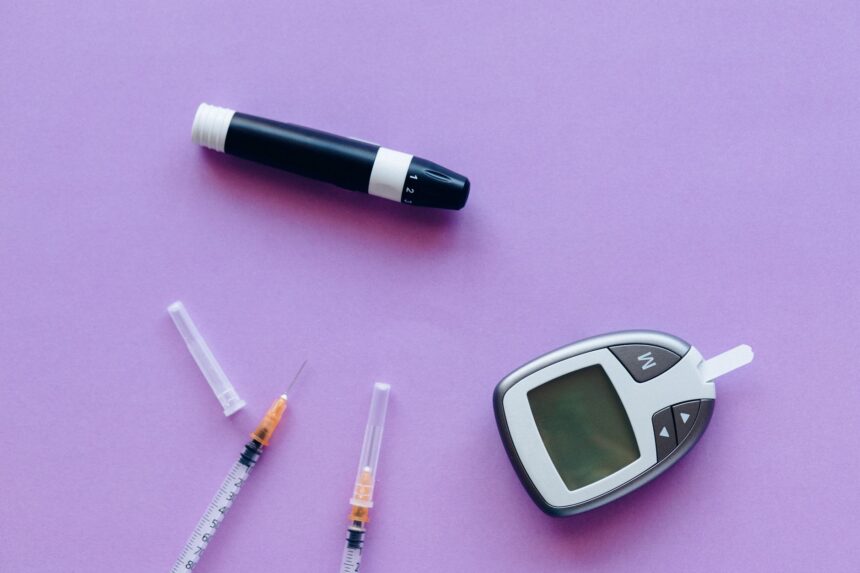
Illustration of insulin receptor with magnesium cofactor enabling glucose transporter activationIllustrative image · Photo by Nataliya Vaitkevich on Pexels (Pexels License)
Magnesium acts as a critical molecular switch in insulin signalling. New analysis of over 1.5 million people shows each additional 100 mg of dietary magnesium reduces type 2 diabetes risk by 14–19%. — Photo by Nataliya Vaitkevich on Pexels (Pexels License)
SHARE
5 min read|1,093 words
✓ Medically reviewed by Prof. Giorgi Pkhakadze, MD, MPH, PhD · ORCID 0000-0001-7609-4515

🟠 Moderate Evidence

Contents
    • Key takeaways
      • Study at a Glance
      • Magnesium intake and type 2 diabetes risk reduction
  • The molecular mechanism: magnesium as the spring in insulin’s lock
  • Population evidence: 1.5 million people link magnesium to diabetes prevention
  • Prevalence gap: why half of adults may be short on magnesium
    • What this means
  • Frequently asked questions
    • Does magnesium supplementation prevent type 2 diabetes?
    • How much magnesium should I aim for daily?
    • Can magnesium deficiency cause insulin resistance?

When insulin binds to cells, it does not simply unlock the door for glucose. Instead, the hormone triggers a molecular cascade that begins with the receptor activating an internal enzyme—a kinase that requires magnesium to phosphorylate itself. Without this mineral, the signal weakens even when the structural machinery appears intact, according to mechanistic research and large population studies linking dietary magnesium to insulin sensitivity.

Key takeaways

  • Magnesium is essential for the insulin receptor’s internal activation; depletion reduces receptor signalling by 50%, according to Suárez et al. (Diabetologia, 1995)
  • Meta-analysis of over 1.5 million people shows each additional 100 mg of dietary magnesium reduces type 2 diabetes risk by 14–19%, per Dong et al. (Diabetes Care, 2011) and Fang et al. (BMC Medicine, 2016)
  • Approximately 50% of United States adults fall short of the recommended daily intake of 310–420 mg, leaving widespread potential for improved glucose control through better magnesium status

Study at a Glance

Primary sources Suárez et al. (1995), Dong et al. (2011), Fang et al. (2016)
Study types Animal mechanistic study + two meta-analyses of prospective cohorts
Combined cohort size Over 1.5 million participants
Key finding Magnesium depletion reduces insulin receptor activation by 50%; dietary magnesium intake inversely associated with type 2 diabetes risk
Geography United States (majority of observational data)
50%
Reduction in insulin receptor internal activation when magnesium is depleted, despite normal insulin binding and transporter presence (Suárez et al., 1995)

Magnesium intake and type 2 diabetes risk reduction

Meta-analysis findings per 100 mg/day dietary magnesium increase across major prospective cohort studies

Fang et al. (2016) — 1 million+ participants
19%
Dong et al. (2011) — 536,000 participants
14%

Source: Dong et al. (Diabetes Care, 2011) and Fang et al. (BMC Medicine, 2016) | Georgian Medical Journal News

Submit Your Paper
GMJ_Submit_Banner

The molecular mechanism: magnesium as the spring in insulin’s lock

Insulin signalling begins when the hormone binds to its receptor on the cell surface. But structural binding is only the first step. The receptor must then activate an internal kinase enzyme that phosphorylates itself—a process that absolutely requires magnesium as a cofactor.

🎙️ Related Podcast Episodes
🎧 #45 | GMJ Podcast | Tskaltubo Mineral Baths in Osteoarthritis — Microcirculation, Erythrocytes, and Clinical Effects · 18m
🎧 #39 | GMJ Podcast | Acne and Metabolic Dysfunction — Insulin Resistance, IGF-1, and Clinical Implications · 15m
🎧 #38 | GMJ Podcast | Acne and Metabolic Dysfunction — Insulin Resistance, IGF-1, and Clinical Implications · 21m

When researchers at the University of Iowa depleted magnesium in rat models, they observed a striking paradox (Suárez et al., Diabetologia, 1995): insulin binding remained normal, the GLUT4 glucose transporter was present in typical amounts, and all structural components appeared intact. Yet the receptor’s internal activation dropped by 50%, and insulin sensitivity deteriorated measurably. The problem was not hardware failure—it was signal interruption. Magnesium, in this framework, is not the key or the lock; it is the spring inside the mechanism that permits the lock to turn.

Population evidence: 1.5 million people link magnesium to diabetes prevention

The mechanistic finding in rats prompted investigation of whether magnesium intake correlates with type 2 diabetes risk in humans. Dong et al. conducted a meta-analysis of prospective cohorts involving 536,000 participants and found a 14% relative risk reduction in type 2 diabetes for every 100 mg/day increase in dietary magnesium (Diabetes Care, 2011). A larger follow-up analysis by Fang et al. examined over 1 million participants and observed a 19% risk reduction per 100 mg/day increase (BMC Medicine, 2016).

These are observational associations, not randomized trials, and therefore cannot prove causation. However, the consistency of the finding across two independent large meta-analyses, combined with the clear mechanistic explanation from animal studies showing exactly where magnesium operates in the insulin signalling pathway, suggests the relationship is biologically coherent rather than confounded. See more research findings on diabetes and metabolic disease.

Prevalence gap: why half of adults may be short on magnesium

The United States National Institutes of Health recommends a daily magnesium intake of 310–420 mg depending on age and sex. Dietary surveys consistently show that approximately 50% of American adults consume less than this amount. While the threshold at which magnesium depletion impairs insulin signalling in humans has not been precisely defined in prospective trials, the animal data and the population associations suggest that inadequate intake could be a modifiable contributor to insulin resistance and type 2 diabetes risk.

Magnesium is found in leafy greens, nuts, seeds, whole grains, and legumes, making dietary optimization a feasible intervention for many individuals. For a deeper explanation of how nutrients affect metabolic health, see SheniEkimi’s guide to metabolism and nutrition.

When magnesium was depleted in animal models, insulin binding and glucose transporter presence remained normal, yet the receptor’s internal activation dropped by 50% and insulin sensitivity was significantly reduced.

— Suárez et al., University of Iowa (Diabetologia, 1995)

What this means

For patients: Adults with prediabetes or family history of type 2 diabetes may benefit from assessing dietary magnesium intake and consulting healthcare providers about food sources or supplementation if intake is below recommended levels. This is especially relevant for those taking medications that deplete magnesium or managing insulin resistance.
For clinicians: Magnesium status merits consideration in the assessment and management of insulin resistance and prediabetes, particularly in patients with dietary insufficiency. While magnesium supplementation is not a first-line diabetes treatment, incorporation of magnesium-rich foods into dietary counselling is evidence-informed and low-risk.
For policymakers: Public health nutrition guidelines and diabetes prevention programmes could emphasize dietary magnesium as a modifiable factor in metabolic disease risk. Educational campaigns highlighting magnesium-rich foods align with existing dietary recommendations and address a widespread gap in micronutrient intake.

Frequently asked questions

Does magnesium supplementation prevent type 2 diabetes?

The evidence for supplementation comes primarily from meta-analyses of dietary intake (observational studies), not randomized controlled trials of magnesium supplements. While the mechanistic data and population associations are consistent, clinical trials specifically testing supplementation as a diabetes prevention intervention in high-risk populations are limited. Individuals considering supplementation should consult their healthcare provider, especially if taking other medications.

How much magnesium should I aim for daily?

The NIH recommends 310–420 mg per day for adults, depending on age and sex. This can typically be achieved through a diet rich in leafy greens, almonds, pumpkin seeds, black beans, and whole grains. Dietary sources are generally preferred over supplements unless deficiency is documented.

Can magnesium deficiency cause insulin resistance?

Mechanistic studies show that magnesium depletion impairs the insulin receptor’s internal activation, reducing glucose uptake signalling. However, clinical studies proving that magnesium deficiency alone causes insulin resistance in humans are lacking. Insulin resistance is multifactorial, involving genetics, obesity, physical inactivity, and diet. Magnesium is one component of a larger picture, not a single cause.

The discovery that magnesium acts as a critical molecular switch in insulin signalling has implications beyond supplementation: it underscores how micronutrient insufficiency can silently disrupt metabolic processes at the cellular level. Future research should focus on clinical trials testing whether targeted magnesium repletion in deficient populations improves insulin sensitivity, and whether public health messaging about dietary magnesium intake influences diabetes incidence at the population level.

Source: Magnesium’s role in insulin receptor activation (Suárez et al., Dong et al., Fang et al.)

Was this article helpful?

Disclaimer. This article is health journalism intended for general information and education. It is not medical advice and is not a substitute for professional diagnosis or treatment. Always consult a qualified healthcare provider about your individual circumstances. Full disclaimer →

Related Coverage

Frozen produce rivals fresh in most vitamins, UC Davis study findsJul 17, 2026
Why the same bread raises blood sugar differently in different peopleJul 17, 2026
Vitamin D dose response is not linear: Why shelf-picked supplements may not work as expectedJul 17, 2026
How a single stem cell in bone marrow generates your entire immune systemJul 17, 2026
Related reference
  • Magnesium supplements · Drug
  • Type 2 Diabetes · Condition
  • Magnesium · Ingredient
  • Insulin · Drug
  • Obesity · Condition
PG
Written by
Prof. Giorgi Pkhakadze, MD, MPH, PhD
Editor-in-Chief, GMJ News
Full profile →  ·  ORCID 0000-0001-7609-4515
Medical disclaimer. This article is health journalism intended for general information. It is not medical advice and is not a substitute for consultation with a qualified healthcare professional. Always seek your physician's advice regarding any medical condition.
Medically reviewed by Prof. Giorgi Pkhakadze, MD, MPH, PhD. Spotted an error? Contact the editorial team.

Get the GMJ News digest
Evidence-based health journalism in your inbox. No spam; unsubscribe anytime.
TAGGED:glucose metabolisminsulin resistancemagnesiummicronutrientstype 2 diabetes
Share This Article
Facebook LinkedIn Bluesky Copy Link Print
GMJ
ByGMJ Practice Desk
Follow:
GMJ Practice Desk is part of GMJ News, the newsroom of the Georgian Medical Journal (gmj.ge), published by the Public Health Institute of Georgia. Every article is editorially reviewed before publication.
Leave a Comment Leave a Comment

Leave a Reply Cancel reply

Your email address will not be published. Required fields are marked *

Submit Your Paper →

Georgia's peer-reviewed open-access medical journal. No APC until January 2027.
Submit Manuscript →
Frozen produce rivals fresh in most vitamins, UC Davis study finds

A UC Davis study comparing vitamin content in frozen and fresh produce…

Why the same bread raises blood sugar differently in different people

Researchers at the Weizmann Institute found that identical carbohydrate meals produce glucose…

Vitamin D dose response is not linear: Why shelf-picked supplements may not work as expected

Vitamin D supplements do not work the same way for everyone. Research…

Submit Your Paper to GMJ

No APC until January 2027.
Submit Manuscript →

You Might Also Like

Elderly person engaged in cognitive training exercise showing brain health improvementIllustrative image · Photo by Robina Weermeijer on Unsplash (Unsplash License)
New StudiesResearch Digest

Brain Health Can Improve Into 90s, Challenging Decline Assumptions

By
GMJ Research Desk
29/06/2026
Microscopic image of microglia brain immune cells responding to amyloid and tau proteinsPhoto by BUDDHI Kumar SHRESTHA on Unsplash (Unsplash License)
New StudiesResearch Digest

Brain immune cells reveal why some people resist dementia despite tau tangles

By
GMJ Research Desk
12/06/2026
Scientific diagram showing MTHFR enzyme pathway and riboflavin cofactor requirement
New Studies

MTHFR Gene Variant May Require Riboflavin, Not Just Methylfolate, New Research Shows

By
GMJ Research Desk
21/05/2026
AI-powered drug development laboratory with molecular visualization screensIllustrative image · Photo by www.kaboompics.com on Pexels (Pexels License)
Clinical UpdatesPractice

Prometheus Biotech Secures Record $12 Billion for AI-Powered Drug Development

By
GMJ Practice Desk
04/07/2026
Facebook Twitter Youtube Instagram
Company
  • Privacy Policy
  • Contact US
  • GMJ Journal
  • Submit Manuscript
  • Editorial Team
  • Register at GMJ
  • Terms of Use

Subscribe to GMJ News — Click here

Join Community
© 2026 Georgian Medical Journal (GMJ). Published by the Public Health Institute of Georgia (PHIG). All rights reserved.
Welcome Back!

Sign in to your account

Username or Email Address
Password

Lost your password?

Not a member? Sign Up