🟠 Moderate Evidence
A longitudinal analysis of digital connectivity and social wellbeing across Myanmar between 2021 and 2024 reveals stark inequalities that have widened during the country’s ongoing polycrisis, according to data published in The Lancet Regional Asia Health. Conflict-affected populations face the most severe exclusion from digital connectivity, while those with inconsistent internet access experience heightened loneliness and interpersonal conflict—suggesting that partial connectivity may paradoxically worsen mental health outcomes.
Key takeaways
- Digital connectivity disparities in Myanmar correlate with geographic conflict exposure, leaving vulnerable populations further isolated during a humanitarian crisis
- Intermittent internet access is associated with increased loneliness and interpersonal conflict—a finding that challenges assumptions that any connectivity benefits wellbeing
- Consistent, reliable digital access supports relational reach and maintains social networks, but only when connectivity is stable and sustained
- Digital connectivity alone does not correlate with social trust; governance and community structures remain critical factors in building resilience
Study at a Glance
| Source | The Lancet Regional Asia Health |
| Study type | Longitudinal, population-weighted observational cohort |
| Study period | 2021–2024 |
| Population | Nationwide Myanmar population |
| Country | Myanmar |
Digital Connectivity and Social Wellbeing Outcomes in Myanmar
Longitudinal comparison of internet access patterns and reported social outcomes, 2021–2024
Source: The Lancet Regional Asia Health, 2026 | Georgian Medical Journal News

Conflict Fractures Digital Access Across Myanmar
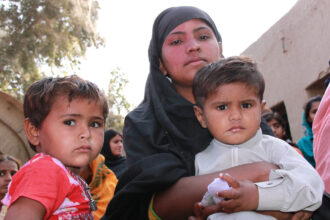
Myanmar’s digital landscape is starkly unequal, with access highly correlated to geographic proximity to ongoing armed conflict, according to the longitudinal analysis published in The Lancet Regional Asia Health. The research team conducted population-weighted surveys across Myanmar between 2021 and 2024, capturing data throughout the country’s deteriorating humanitarian crisis following the military coup in February 2021.
Populations in conflict-affected regions face systematic exclusion from reliable internet infrastructure. This digital divide compounds existing health and social vulnerabilities: isolated populations lack access to telemedicine services, mental health resources, and critical information about aid distribution—factors that humanitarian organizations including the United Nations High Commissioner for Refugees (UNHCR) have identified as urgent gaps in their response frameworks. The research suggests that digital equity must become a priority component of humanitarian crisis response, not a secondary concern.
Inconsistent Connectivity: A Paradoxical Risk to Mental Wellbeing
The study reveals a counterintuitive finding: populations with intermittent or unreliable internet access report significantly higher rates of loneliness and interpersonal conflict compared to those with either consistent connectivity or no connectivity at all, according to the Lancet analysis. This pattern suggests that partial digital access may create psychological strain—individuals experience disconnection not as a stable state, but as a repeated loss of connection, potentially triggering frustration and social fragmentation.
In contrast, populations with sustained, reliable internet access demonstrate stronger relational reach—defined as the ability to maintain social networks and access support from geographically dispersed connections. This distinction is clinically significant: it indicates that digital infrastructure investments must prioritize reliability alongside availability. Governments and aid agencies should consider that rolling out inconsistent connectivity without investment in grid stability and service continuity may produce net harm to population mental health. This finding aligns with emerging research on digital wellbeing from Clinical Updates sections of health journals, which increasingly document the psychological costs of digital fragmentation in high-stress environments.
Social Trust Requires More Than Digital Access
One of the study’s most significant null findings is equally important: digital connectivity showed no significant association with social trust in the Myanmar population, according to the Lancet Regional Asia Health analysis. In other words, populations with internet access did not demonstrate higher trust in institutions, community members, or civic structures—a finding that challenges assumptions that digital connectivity alone can rebuild social cohesion in conflict-affected regions.
The researchers note that measuring social trust requires capturing factors beyond digital access: governance quality, institutional accountability, community leadership, and visible government responsiveness to population needs. These institutional factors lie outside the scope of digital infrastructure itself. This suggests that policymakers must avoid treating internet access as a panacea for social fragmentation. Instead, a comprehensive public health response to Myanmar’s crisis—as frameworks outlined by WHO’s crisis mental health guidance—must integrate digital infrastructure with governance reform and community-led accountability structures.
Implications for Humanitarian Response and Digital Justice
Myanmar’s polycrisis—characterized by armed conflict, economic collapse, and mass displacement—has created overlapping layers of digital exclusion that mirror and amplify pre-existing health inequalities. The study’s Health Policy implications are immediate: humanitarian organizations and the Myanmar government must prioritize universal, reliable digital connectivity as a public health infrastructure component, comparable in urgency to water, sanitation, and healthcare delivery.
Furthermore, the finding that intermittent connectivity worsens mental health outcomes provides evidence for targeted investment: resources should focus on establishing robust, continuous service in partially connected areas rather than expanding inconsistent coverage. Digital equity, in this context, is not merely a development goal—it is a mental health and humanitarian imperative.
Consistent internet access supports relational reach and social networks, but intermittent connectivity paradoxically amplifies loneliness and interpersonal conflict; digital connectivity alone does not predict social trust, indicating that governance and community institutional factors are equally essential to rebuilding social cohesion.
— The Lancet Regional Asia Health analysis team, 2026
What this means
Frequently asked questions
Does having any internet access help mental health in conflict zones?
Not necessarily. According to the Lancet study, intermittent or unreliable internet access is associated with higher loneliness and interpersonal conflict than no access at all. Only consistent, stable connectivity supports mental wellbeing. This suggests that partial digital infrastructure can paradoxically worsen outcomes if not accompanied by reliability investment.
Why doesn’t digital connectivity increase social trust in Myanmar?
Trust in institutions and community requires measurable governance quality, institutional accountability, and visible responsiveness to population needs—factors that digital access alone cannot create. The research indicates that internet access is necessary but insufficient for rebuilding social cohesion in conflict settings. Governance reform and transparent leadership are equally essential.
What should humanitarian organizations prioritize in Myanmar?
According to the analysis, priority must be given to establishing reliable, continuous digital connectivity in partially connected areas, coupled with governance initiatives that rebuild institutional trust. Expanding inconsistent internet service may increase mental health risks. Digital infrastructure investments should be integrated with mental health and institutional accountability programmes, not siloed as standalone projects.
As Myanmar’s humanitarian crisis continues to deepen, the evidence from this longitudinal study provides a crucial corrective to digital-first development narratives. Internet access is essential—but only when reliable, and only when paired with institutional reforms that rebuild trust in governance and community leadership. Future research must measure how governance quality and institutional accountability interact with digital connectivity to shape population mental health and social cohesion. Until then, humanitarian agencies must resist the temptation to treat digital infrastructure as a substitute for the harder work of building accountable, responsive institutions.
Was this article helpful?
Disclaimer. This article is health journalism intended for general information and education. It is not medical advice and is not a substitute for professional diagnosis or treatment. Always consult a qualified healthcare provider about your individual circumstances. Full disclaimer →
Related Coverage




Medically reviewed by Prof. Giorgi Pkhakadze, MD, MPH, PhD. Spotted an error? Contact the editorial team.