By using this site, you agree to the Privacy Policy and Terms of Use.
Accept
GMJ NewsGMJ NewsGMJ News
  • Latest News
    • GMJ Briefs
  • Podcast & Media
    • Podcast Episodes
    • GMJ Audio
    • GMJ Videos
  • Research Digest
    • New Studies
    • Georgian Research
    • Data & Numbers
  • Policy & Systems
    • Health Policy
    • Quality & Safety
    • Migration & Health
    • Global Health
  • Practice
    • Clinical Updates
    • Case Discussions
    • Pharmacy & Prescribing
    • Ingredients A-Z
  • Perspectives
    • Editorial
    • Explainers
    • Voices
    • Letters
  • Health Topics
  • GMJ Articles
    • Vol. 1 Issue 2 (2026)
    • Vol. 1 Issue 1 (2026)
    • Pre-Launch Articles (2025)
  • Read the Journal →
  • About GMJ News
Notification Show More
Font ResizerAa
GMJ NewsGMJ News
Font ResizerAa
  • Latest News
    • GMJ Briefs
  • Podcast & Media
    • Podcast Episodes
    • GMJ Audio
    • GMJ Videos
  • Research Digest
    • New Studies
    • Georgian Research
    • Data & Numbers
  • Policy & Systems
    • Health Policy
    • Quality & Safety
    • Migration & Health
    • Global Health
  • Practice
    • Clinical Updates
    • Case Discussions
    • Pharmacy & Prescribing
    • Ingredients A-Z
  • Perspectives
    • Editorial
    • Explainers
    • Voices
    • Letters
  • Health Topics
  • GMJ Articles
    • Vol. 1 Issue 2 (2026)
    • Vol. 1 Issue 1 (2026)
    • Pre-Launch Articles (2025)
  • Read the Journal →
  • About GMJ News
Follow US
GMJ News > Practice > Clinical Updates > Creatine’s Role in Energy Metabolism and Disease Prevention: Evidence from Recent Research
Clinical UpdatesExplainersNew StudiesPerspectivesPracticeResearch Digest

Creatine’s Role in Energy Metabolism and Disease Prevention: Evidence from Recent Research

GMJ
Last updated: 12/07/2026 13:29
By
GMJ Practice Desk
Share
10 Min Read
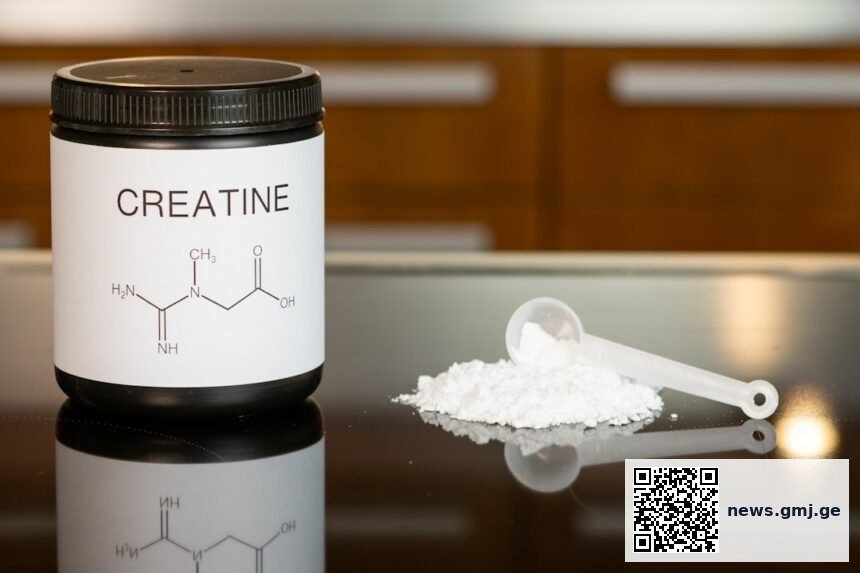
Illustration of the phosphocreatine energy system in brain and muscle cellsIllustrative image · Photo by Alex Saks on Unsplash (Unsplash License)
The phosphocreatine system is critical for energy supply in high-demand tissues including the brain and muscle. Recent evidence links creatine metabolism to cognitive function, depression risk, metabolic control, and frailty reduction, particularly when combined with resistance training. — Photo by Alex Saks on Unsplash (Unsplash License)
SHARE
🎧 Listen to this article8:53 min · 1,293 words · GMJ Audio
6 min read|1,293 words
✓ Reviewed by GMJ News Editorial Team

🟠 Moderate Evidence

Contents
    • Key takeaways
      • Study at a Glance
      • Physiological Domains Affected by Creatine Metabolism
  • Energy Supply at the Cellular Level
  • Cognitive and Psychiatric Outcomes
  • Metabolic Health and Frailty Prevention
  • Cancer Biology and Immune Function
    • What this means
  • Frequently asked questions
    • Is creatine supplementation safe for long-term use?
    • What dose of creatine is effective for cognitive and metabolic benefits?
    • Does creatine supplementation require specific dietary or lifestyle changes?

The phosphocreatine system plays a critical role in energy supply for cells and tissues with high metabolic demands, and emerging evidence suggests supplementation may influence cognitive function, mood regulation, and metabolic markers. Research indexed in PubMed shows that creatine availability affects multiple physiological systems, from brain function to muscle metabolism, making it a topic of growing interest in preventive medicine and gerontology.

Key takeaways

  • The creatine/phosphocreatine system is essential for energy production in tissues with high, fluctuating energy demands
  • Emerging evidence links creatine metabolism to cognitive function, mood, and metabolic health outcomes
  • Potential applications span depression risk, frailty prevention in older adults, and cancer cell resistance
  • Effects appear strongest when combined with resistance training or in populations with depleted creatine reserves

Study at a Glance

Source PubMed (PMID: 33918657)
Study type Literature review / Mechanistic analysis
Focus Whole-body physiology and metabolic outcomes
Key domains Cognitive function, mood, muscle metabolism, glucose homeostasis
Population relevance Young adults, elderly, cancer patients, frail populations
6 domains
of human physiology where creatine metabolism shows measurable effects: cognitive function, depression risk, sleep deprivation resilience, cancer immunity, frailty reduction, and glucose/lipid control

Physiological Domains Affected by Creatine Metabolism

Evidence-based outcomes linked to creatine availability and supplementation status

Cognitive function (young & elderly)
Enhanced
Cancer cell resistance
Improved
Depression risk reduction
Decreased
Frailty in elderly (with resistance training)
Reduced
Fasting glucose & triglycerides
Normalized
Sleep deprivation effects
Buffered

Source: Creatine metabolism review, PubMed (PMID: 33918657) | Georgian Medical Journal News

Submit Your Paper
GMJ_Submit_Banner

Energy Supply at the Cellular Level

The phosphocreatine (PCr) system functions as a rapid-access energy buffer in cells with high and variable energy demand, particularly in skeletal muscle, cardiac muscle, and the brain. According to research on cellular energy metabolism, creatine kinase catalyzes the reversible phosphorylation of creatine to phosphocreatine, which acts as a mobile energy shuttle that regenerates ATP during periods of intense metabolic activity. This system is especially critical in tissues where energy demand fluctuates rapidly—such as during neurocognitive tasks or muscle contraction—where the slower glycolytic and oxidative pathways cannot respond quickly enough.

🎙️ Related Podcast Episodes
🎧 #37 | GMJ Podcast | NAD⁺ Injections and “NAD Boosters” — Public Health Risks and Regulatory Implications · 20m
🎧 #39 | GMJ Podcast | Acne and Metabolic Dysfunction — Insulin Resistance, IGF-1, and Clinical Implications · 15m
🎧 #38 | GMJ Podcast | Acne and Metabolic Dysfunction — Insulin Resistance, IGF-1, and Clinical Implications · 21m
🎧 #33 | GMJ Podcast | Public Health Policy as Education in NCD Prevention — Commentary by Owen Thomas · 21m
🎧 #28 | GMJ Podcast | SheniEkimi.ge #1: Top 5 Evidence-Based Public Health News · 19m

The brain, despite comprising only 2% of body mass, consumes approximately 20% of the body’s ATP supply at rest, making it highly dependent on efficient energy buffering systems. This dependence helps explain why studies examining creatine supplementation have found measurable effects on cognitive performance in both young and elderly populations, as documented in the broader literature on creatine’s metabolic roles.

Cognitive and Psychiatric Outcomes

Evidence from research on creatine supplementation suggests potential benefits for depression risk reduction and cognitive function across the lifespan. The mechanism likely involves the phosphocreatine system’s role in maintaining stable ATP levels in the prefrontal cortex and other brain regions critical to mood regulation and executive function. In young adults, creatine supplementation has been associated with improved performance on working memory and intelligence tasks, particularly in sleep-deprived or cognitively demanding states.

For older adults facing age-related cognitive decline, the ability to maintain robust cerebral energy metabolism becomes increasingly important for preserving independence and quality of life. The link between creatine metabolism and neurological health in aging populations has prompted clinical interest in whether interventions targeting creatine availability could help delay cognitive impairment.

Metabolic Health and Frailty Prevention

Beyond cognition, emerging data suggest that creatine metabolism intersects with metabolic disease prevention. According to the literature indexed in PubMed, improvements in fasting glucose and triglyceride levels have been observed in populations receiving creatine supplementation, particularly when combined with resistance training. This dual intervention approach—combining creatine availability with mechanical muscle stimulus—may address both the energy deficit and the structural decline that characterize frailty in older adults.

Frailty, a state of diminished physiological reserve and increased vulnerability to stressors, affects approximately 10-15% of community-dwelling older adults and substantially increases risk of falls, hospitalization, and mortality. The observation that creatine plus resistance training reduces frailty markers aligns with emerging recognition that both substrate availability and mechanical stimulus are required for optimal muscle adaptation in aging. This suggests a role for integrated interventions combining pharmacological and behavioral approaches in geriatric practice.

Cancer Biology and Immune Function

A less well-known but emerging area is creatine’s potential role in enhancing the metabolic capacity of cells fighting cancer. Research on cellular immunity suggests that cancer-fighting cells (including T cells and natural killer cells) depend heavily on rapid ATP regeneration to perform their cytotoxic functions. By stabilizing the phosphocreatine buffer, creatine supplementation may enhance the energy available to these immune cells, potentially improving their cancer-fighting ability. This mechanism, though not yet extensively clinically validated, represents a promising avenue for adjunctive metabolic support in cancer care.

The creatine/phosphocreatine system is essential for chemo-mechanical energy transduction in cells and tissues with high, fluctuating, and constant energy demands, with demonstrated effects on cognitive function, mood, metabolic markers, and cancer cell resistance.

— Creatine Metabolism Research, PubMed (PMID: 33918657)

What this means

For patients: Individuals experiencing cognitive fatigue, depression, or age-related decline may benefit from discussing creatine supplementation with their clinician, particularly if combined with structured resistance training. Safety profiles are generally favorable in the general population, though patients with kidney disease or those taking certain medications should seek medical guidance before supplementing.
For clinicians: Creatine supplementation represents a low-cost, evidence-supported intervention for enhancing cognitive and metabolic resilience, particularly in older adults at risk of frailty or cognitive decline. Integration with resistance training amplifies effects on muscle strength and frailty markers. Consider screening for deficient creatine metabolism in patients with unexplained cognitive decline or metabolic dysregulation.
For policymakers: Public health strategies addressing age-related decline, cognitive impairment, and metabolic disease might benefit from broader awareness of creatine’s metabolic roles and potential for supplementation in at-risk populations. Investment in randomized controlled trials examining creatine plus structured exercise in frail older adults could inform evidence-based geriatric care protocols and reduce disability burden.

Frequently asked questions

Is creatine supplementation safe for long-term use?

Creatine supplementation has been extensively studied in athletic and clinical populations, with safety data supporting long-term use in healthy individuals at standard doses (typically 3-5 grams daily). However, individuals with pre-existing kidney disease, those on nephrotoxic medications, or those with a family history of kidney dysfunction should consult a physician before supplementing. Pregnant and nursing women are typically advised to avoid supplementation due to insufficient safety data.

What dose of creatine is effective for cognitive and metabolic benefits?

Most clinical studies demonstrating cognitive and metabolic benefits have used creatine monohydrate at 3-5 grams daily, either as a standalone intervention or combined with resistance training. Some studies employ a loading phase (15-20 grams daily for 5-7 days) followed by maintenance dosing, though this is not essential for achieving benefits over time. Dosing recommendations should be individualized based on body mass, kidney function, and clinical goals.

Does creatine supplementation require specific dietary or lifestyle changes?

Creatine supplementation is most effective when combined with adequate hydration, adequate protein intake, and regular resistance or strength training, particularly for reducing frailty and improving muscle metabolism. In populations with depression or cognitive complaints, concurrent attention to sleep hygiene, physical activity, and stress management optimizes outcomes. There are no specific dietary restrictions, though some evidence suggests that plant-based diets with lower endogenous creatine production (e.g., vegetarian diets) may see greater supplementation benefits.

As the global burden of cognitive decline, metabolic disease, and frailty accelerates with population aging, identifying safe, low-cost metabolic interventions becomes increasingly important for public health. The convergence of evidence linking creatine metabolism to multiple physiological domains—cognition, mood, metabolism, and immune function—suggests that broader clinical and research attention to the phosphocreatine system could unlock new strategies for healthy aging and disease prevention. Future work should prioritize large-scale randomized trials examining creatine supplementation in specific clinical populations, such as older adults at risk of cognitive decline or those with metabolic syndrome.

Source: Creatine metabolism in whole-body physiology, PubMed (PMID: 33918657)

Was this article helpful?

Disclaimer. This article is health journalism intended for general information and education. It is not medical advice and is not a substitute for professional diagnosis or treatment. Always consult a qualified healthcare provider about your individual circumstances. Full disclaimer →

Related Coverage

Exercise's True Power: A Systematic Review Shows Mitochondrial Remodeling, Not Just Volume, Drives Fitness GainsAug 15, 2026
Egg consumption linked to 27% lower Alzheimer's risk in large multi-cohort studyAug 15, 2026
How vitamin B12 absorption works: two competing pathways explain why high-dose pills can rival injectionsAug 15, 2026
Copper deficiency may explain iron-resistant anaemia: why the overlooked mineral matters for oxygen transportAug 14, 2026
Explore more on this topic:🧭 Cancer hub🧭 Mental Health hub🧭 Supplements & Nutraceuticals hub
🔥 Most read this week
1Creatine Kidney Damage Myth Debunked by Major Safety Review of 26,000 Participants
2Magnesium Form May Not Matter for Cognitive Benefits, New Meta-Analysis Suggests
3Why High-Dose Vitamin B12 Supplements Work Despite Poor Absorption
4How Coffee Brewing Method Affects Cholesterol: The Science Behind Diterpenes and Filters
Related reference
  • Creatine · Ingredient
PG
Editorial oversight
Prof. Giorgi Pkhakadze, MD, MPH, PhD
Editor-in-Chief, GMJ News
Full profile →  ·  ORCID 0000-0001-7609-4515
Medical disclaimer. This article is health journalism intended for general information. It is not medical advice and is not a substitute for consultation with a qualified healthcare professional. Always seek your physician's advice regarding any medical condition.
Editorial standards. This article was produced under the GMJ News editorial process, with oversight by the GMJ Editorial Board. Our editorial process. Spotted an error? Contact the editorial team.
📬 GMJ Health Digest
Evidence-based medical news, once a week. Free, no spam, unsubscribe anytime.
TAGGED:agingcognitive functioncreatinemetabolic healthmetabolism
Share This Article
Facebook LinkedIn Bluesky Copy Link Print
GMJ
ByGMJ Practice Desk
Follow:
GMJ Practice Desk is part of GMJ News, the newsroom of the Georgian Medical Journal (gmj.ge), published by the Public Health Institute of Georgia. Every article is editorially reviewed before publication.
Leave a Comment Leave a Comment

Leave a Reply Cancel reply

Your email address will not be published. Required fields are marked *

Submit Your Paper →

Georgia's peer-reviewed open-access medical journal. No APC until January 2027.
Submit Manuscript →
Exercise’s True Power: A Systematic Review Shows Mitochondrial Remodeling, Not Just Volume, Drives Fitness Gains

A systematic review analyzing 425 human studies shows that training intensity—not duration—is…

Egg consumption linked to 27% lower Alzheimer’s risk in large multi-cohort study

A 15-year prospective study of nearly 40,000 adults found that those consuming…

How vitamin B12 absorption works: two competing pathways explain why high-dose pills can rival injections

Vitamin B12 is absorbed via two pathways: intrinsic factor, which saturates at…

Submit Your Paper to GMJ

No APC until January 2027.
Submit Manuscript →

You Might Also Like

Pregnant person receiving blood pressure monitoring during prenatal care
New Studies

New treatment approach offers hope for pre-eclampsia, a leading cause of maternal death

By
GMJ Research Desk
19/05/2026
Illustration of creatine's role in mitochondrial ATP production and brain energy in womenIllustrative image · Photo by Andrea Piacquadio on Pexels (Pexels License)
Clinical UpdatesExplainersPerspectivesPractice

Creatine for Women: Beyond Muscle—Evidence for Brain, Energy, and Long-Term Health

By
GMJ Practice Desk
02/08/2026
Chart showing PQQ dosing by health outcome: inflammation 5-10 mg, memory 10-20 mg, mitochondrial function 20 mgIllustrative image · Photo by Nataliya Vaitkevich on Pexels (Pexels License)
ExplainersNew StudiesPerspectivesResearch Digest

PQQ Shows Consistent Benefits for Inflammation, Energy, and Memory in Human Trials

By
GMJ Perspectives Desk
23/07/2026
Chart showing educational mobility patterns and mortality risk data from Norwegian health studyIllustrative image · Photo by Yan Krukau on Pexels (Pexels License)
New StudiesResearch Digest

Intergenerational Education Mobility Linked to Premature Death Risk in Norwegian Study

By
GMJ Research Desk
08/07/2026
Facebook Twitter Youtube Instagram
Company
  • Privacy Policy
  • Contact US
  • GMJ Journal
  • Submit Manuscript
  • Editorial Team
  • Register at GMJ
  • Terms of Use

Subscribe to GMJ News — Click here

Join Community
© 2026 Georgian Medical Journal (GMJ). Published by the Public Health Institute of Georgia (PHIG). All rights reserved.
Welcome Back!

Sign in to your account

Username or Email Address
Password

Lost your password?

Not a member? Sign Up