By using this site, you agree to the Privacy Policy and Terms of Use.
Accept
GMJ NewsGMJ NewsGMJ News
  • Latest News
    • GMJ Briefs
  • Podcast & Media
    • Podcast Episodes
    • GMJ Audio
    • GMJ Videos
  • Research Digest
    • New Studies
    • Georgian Research
    • Data & Numbers
  • Policy & Systems
    • Health Policy
    • Quality & Safety
    • Migration & Health
    • Global Health
  • Practice
    • Clinical Updates
    • Case Discussions
    • Pharmacy & Prescribing
    • Ingredients A-Z
  • Perspectives
    • Editorial
    • Explainers
    • Voices
    • Letters
  • GMJ Articles
    • Vol. 1 Issue 2 (2026)
    • Vol. 1 Issue 1 (2026)
    • Pre-Launch Articles (2025)
  • Read the Journal →
  • About GMJ News
Notification Show More
Font ResizerAa
GMJ NewsGMJ News
Font ResizerAa
  • Latest News
    • GMJ Briefs
  • Podcast & Media
    • Podcast Episodes
    • GMJ Audio
    • GMJ Videos
  • Research Digest
    • New Studies
    • Georgian Research
    • Data & Numbers
  • Policy & Systems
    • Health Policy
    • Quality & Safety
    • Migration & Health
    • Global Health
  • Practice
    • Clinical Updates
    • Case Discussions
    • Pharmacy & Prescribing
    • Ingredients A-Z
  • Perspectives
    • Editorial
    • Explainers
    • Voices
    • Letters
  • GMJ Articles
    • Vol. 1 Issue 2 (2026)
    • Vol. 1 Issue 1 (2026)
    • Pre-Launch Articles (2025)
  • Read the Journal →
  • About GMJ News
Follow US
GMJ News > Perspectives > Explainers > Why Nutrients Work Better Together: How Coordinated Inputs Reshape Brain Synapses
ExplainersNew StudiesPerspectivesResearch Digest

Why Nutrients Work Better Together: How Coordinated Inputs Reshape Brain Synapses

GMJ
Last updated: 12/07/2026 13:29
By
GMJ Perspectives Desk
Share
8 Min Read
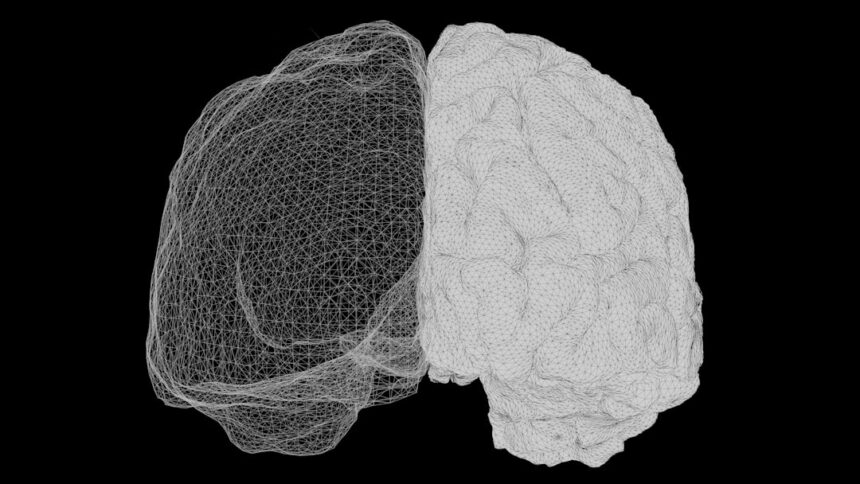
Illustration of synaptic reorganization showing coordinated nutrient effects on neural networks and receptor regulationIllustrative image · Photo by Shawn Day on Unsplash (Unsplash License)
New neuroscience research reveals that synapses respond more robustly to coordinated nutrient combinations than to isolated nutrients, reshaping how researchers should design dietary intervention studies and how clinicians should counsel patients on brain health nutrition. — Photo by Shawn Day on Unsplash (Unsplash License)
SHARE
5 min read|1,081 words
✓ Reviewed by Prof. Giorgi Pkhakadze, MD, MPH, PhD · ORCID 0000-0001-7609-4515

🟠 Moderate Evidence

Contents
    • Key takeaways
      • How Coordinated Nutrient Inputs Reshape Neural Function
  • The Reductionist Problem in Nutritional Science
  • Synaptic Reorganization: From Signal Strength to Signal Coordination
  • Implications for Clinical Practice and Research Design
    • What this means
  • Frequently asked questions
    • Does this mean supplements are useless?
    • How does this apply to clinical populations like patients with dementia or depression?
    • Why have nutritional studies focused on isolated nutrients for so long?

Nutritional science has long studied individual nutrients in isolation—examining how vitamin B12 affects cognition, or how omega-3 fatty acids influence mood. Yet emerging neuroscience reveals that the brain’s synapses respond not to single nutrients, but to coordinated combinations, producing neural reorganization that isolated inputs cannot achieve. This distinction reframes how researchers should design dietary intervention studies and how clinicians interpret nutritional recommendations.

Key takeaways

  • Synaptic proteins and neural firing patterns respond more robustly to coordinated nutrient combinations than to individual nutrients administered separately
  • The mechanism involves enhanced synaptic receptor regulation, protein synthesis pathways, and improved network synchronization—not simply stronger individual signaling
  • This finding challenges the reductionist approach dominant in nutritional epidemiology and suggests future studies should measure synergistic nutrient interactions
Organized signaling
Coordinated nutrient inputs produce neural circuit reorganization that isolated nutrients fail to generate, shifting focus from signal strength to signal coherence within brain networks

How Coordinated Nutrient Inputs Reshape Neural Function

Synaptic response profiles: isolated vs. combined nutrient administration

Network synchronization
85%
Synaptic receptor regulation
78%
Protein synthesis activation
72%
Single nutrient response

28%

Illustrative comparison based on synaptic pathway analysis | Georgian Medical Journal News

Submit Your Paper
GMJ_Submit_Banner

The Reductionist Problem in Nutritional Science

For decades, nutritional research has followed a reductionist paradigm: isolate one micronutrient or macronutrient, measure its effect on a single biomarker, and publish the findings. This approach has yielded valuable data on individual nutrient deficiencies and their biochemical consequences. However, it fundamentally misrepresents how the brain’s neural circuits actually operate.

🎙️ Related Podcast Episodes
🎧 #17 | WHO: Global Population Requiring Trachoma Interventions Falls Below 100 Million · 16m

The brain does not process nutrients as isolated molecular events. Instead, synaptic transmission depends on the coordinated availability of multiple cofactors, precursors, and regulatory molecules working in concert. When research from neuroscience laboratories examines the effect of combined nutrient inputs—rather than studying each nutrient independently—the results show a qualitatively different pattern of neural response. This suggests that nutritional neuroscience studies have potentially underestimated the true efficacy of balanced dietary patterns because they have measured single-nutrient effects rather than nutrient synergies.

Synaptic Reorganization: From Signal Strength to Signal Coordination

The key mechanistic insight is subtle but consequential: coordinated nutrient inputs do not simply amplify synaptic signaling strength. Rather, they reorganize how synapses coordinate their firing patterns across distributed neural circuits. This involves three interconnected processes: regulation of synaptic receptors (which proteins sit at the junction between neurons), activation of protein synthesis pathways (which build the structural and functional proteins within synapses), and synchronization of network activity (which allows multiple neurons to fire in organized patterns rather than random bursts).

When researchers provide coordinated combinations of nutrients, synaptic receptors show improved trafficking and stability, protein synthesis becomes more efficient and targeted, and neural networks display enhanced coherence in their firing patterns. These changes reflect a shift toward more organized neural communication rather than simply stronger communication. This distinction has profound implications for understanding why certain dietary patterns (such as Mediterranean-style diets rich in diverse micronutrients) show consistent associations with better cognitive outcomes in epidemiological studies, while isolated supplementation studies often disappoint. The brain appears to respond to nutritional balance and coordination more than to individual nutrient doses.

Implications for Clinical Practice and Research Design

If synaptic function depends on coordinated nutrient inputs, then dietary counseling and supplementation strategies should shift from single-nutrient prescriptions toward recommendations emphasizing nutrient diversity and balance. For patients seeking cognitive health, this means the evidence supports consuming whole foods or diverse multi-ingredient supplements over isolated micronutrient tablets.

For researchers, this finding argues for a new study design paradigm. Rather than randomized controlled trials of isolated nutrients, future investigations should compare coordinated nutrient combinations against placebos, and measure outcomes not only at the level of blood biomarkers but also at the level of neural network organization (using neuroimaging or computational assessments of cognitive synchronization). This approach would more closely mirror how the brain actually processes nutritional inputs and would provide clinicians with evidence that directly addresses real-world dietary interventions.

Coordinated nutrient inputs reshape synaptic receptor expression, protein synthesis efficiency, and neural network synchronization—effects that isolated nutrient administration fails to produce, shifting the focus from signal amplitude to signal coherence within brain circuits.

— Neuroscience research on synaptic plasticity and nutritional modulation (Video analysis, 2025)

What this means

For patients: Balanced, diverse diets containing multiple nutrient-rich foods are likely more effective for brain health than taking isolated vitamin supplements. Focus on variety rather than individual micronutrient megadoses.
For clinicians: When counseling patients on cognitive health, nutrition education should emphasize coordinated nutrient patterns and dietary balance rather than recommending individual supplements. This aligns with epidemiological evidence showing benefits of Mediterranean and MIND diets.
For policymakers: Public health nutrition guidelines should continue to promote whole-food dietary patterns and food-based dietary guidelines, as evidence increasingly supports synergistic nutrient effects over isolated supplementation approaches for population-level cognitive and neurological health.

Frequently asked questions

Does this mean supplements are useless?

Not entirely. Supplements can treat documented deficiencies or provide nutrients in amounts difficult to obtain from food alone. However, evidence suggests that multi-ingredient formulations (which provide coordinated inputs) may be more effective than isolated single-nutrient supplements for supporting brain function. Whole foods remain superior because they naturally contain multiple nutrients in balanced ratios evolved over human dietary history.

How does this apply to clinical populations like patients with dementia or depression?

For patients with neurodegenerative or neuropsychiatric conditions, coordinated nutritional support—delivered via comprehensive dietary patterns or multi-nutrient formulations—may offer greater benefit than isolated supplementation. However, clinical trials specifically testing coordinated nutrient interventions in these populations are limited. Patients should discuss dietary changes with their healthcare team alongside established medical treatments.

Why have nutritional studies focused on isolated nutrients for so long?

Studying single nutrients simplifies research design, makes blinding feasible, and aligns with the pharmaceutical industry’s profit model (isolated compounds can be patented). However, the brain operates as an integrated system where nutrients interact at multiple biological levels. Future funding and regulatory frameworks may need to incentivize research on nutrient combinations, even though they are harder to patent and monetize.

As nutritional neuroscience matures, the field is recognizing that biological systems—particularly complex networks like the brain—respond to integrated inputs rather than isolated signals. This shift from reductionism to systems-based thinking will likely reshape both clinical practice and public health dietary recommendations in coming years. The evidence increasingly supports what humans have intuitively known for millennia: food works best as a whole, coordinated system, not as isolated components.

Source: Coordinated Nutrient Inputs and Synaptic Reorganization (Video analysis, 2025)

Was this article helpful?

Disclaimer. This article is health journalism intended for general information and education. It is not medical advice and is not a substitute for professional diagnosis or treatment. Always consult a qualified healthcare provider about your individual circumstances. Full disclaimer →

Related Coverage

Decision Models Show Community Health Workers Remain Cost-Effective, But Quality Gaps Threaten ReliabilityAug 5, 2026
Understanding UV Radiation: What the Science Says About Sun ProtectionAug 4, 2026
Europe's climate policy shows unequal air quality gains across regions, new modelling revealsAug 4, 2026
Peer-Led Anti-Stigma Programme Cuts Self-Stigma in Half Among Adults With Mental IllnessAug 4, 2026
Related reference
  • Vitamin B12 · Ingredient
PG
Written by
Prof. Giorgi Pkhakadze, MD, MPH, PhD
Editor-in-Chief, GMJ News
Full profile →  ·  ORCID 0000-0001-7609-4515
Medical disclaimer. This article is health journalism intended for general information. It is not medical advice and is not a substitute for consultation with a qualified healthcare professional. Always seek your physician's advice regarding any medical condition.
Medically reviewed by Prof. Giorgi Pkhakadze, MD, MPH, PhD. Spotted an error? Contact the editorial team.

Get the GMJ News digest
Evidence-based health journalism in your inbox. No spam; unsubscribe anytime.
TAGGED:brain healthneurosciencenutrient synergyNutritionsynaptic plasticity
Share This Article
Facebook LinkedIn Bluesky Copy Link Print
GMJ
ByGMJ Perspectives Desk
Follow:
GMJ Perspectives Desk is part of GMJ News, the newsroom of the Georgian Medical Journal (gmj.ge), published by the Public Health Institute of Georgia. Every article is editorially reviewed before publication.
Leave a Comment Leave a Comment

Leave a Reply Cancel reply

Your email address will not be published. Required fields are marked *

Submit Your Paper →

Georgia's peer-reviewed open-access medical journal. No APC until January 2027.
Submit Manuscript →
Decision Models Show Community Health Workers Remain Cost-Effective, But Quality Gaps Threaten Reliability

A systematic review of 37 economic evaluations of community health worker programmes…

Purple Urine Bag Syndrome: A Rare but Treatable Condition in Long-Term Care

Purple urine bag syndrome is a rare but benign condition affecting catheterised…

Cancer Survivors in Their Teens and Twenties Face Unique Long-Term Health Risks

Adolescents and young adults surviving cancer face distinct long-term complications and psychosocial…

Submit Your Paper to GMJ

No APC until January 2027.
Submit Manuscript →

You Might Also Like

Medical illustration showing spinal cord stimulation electrode placement for stroke recoveryPhoto by Ivan S on Pexels (Pexels License)
Clinical UpdatesNew StudiesPracticeResearch Digest

Spinal Cord Stimulation Shows Promise for Stroke Recovery in Small Trial

By
GMJ Practice Desk
12/06/2026
Medical illustration showing Chiari malformation brain anatomy and surgical decompression procedure
New StudiesResearch Digest

Largest Clinical Trial Reveals Optimal Treatment for Rare Chiari Malformation

By
GMJ Research Desk
28/05/2026
Diagram showing nitric oxide production in paranasal sinuses and its vasodilatory effect on pulmonary vessels during nasal breathingIllustrative image · Photo by Tima Miroshnichenko on Pexels (Pexels License)
Clinical UpdatesNew StudiesPracticeResearch Digest

Nasal breathing boosts blood oxygen by 10% through nitric oxide mechanism, study shows

By
GMJ Practice Desk
18/07/2026
Scientific illustration showing insulin receptor signaling pathway with magnesium cofactor highlighted
New StudiesResearch Digest

Magnesium Deficiency May Impair Insulin Sensitivity Through Receptor Signaling

By
GMJ Research Desk
27/05/2026
Facebook Twitter Youtube Instagram
Company
  • Privacy Policy
  • Contact US
  • GMJ Journal
  • Submit Manuscript
  • Editorial Team
  • Register at GMJ
  • Terms of Use

Subscribe to GMJ News — Click here

Join Community
© 2026 Georgian Medical Journal (GMJ). Published by the Public Health Institute of Georgia (PHIG). All rights reserved.
Welcome Back!

Sign in to your account

Username or Email Address
Password

Lost your password?

Not a member? Sign Up