By using this site, you agree to the Privacy Policy and Terms of Use.
Accept
GMJ NewsGMJ NewsGMJ News
  • Latest News
    • GMJ Briefs
  • Podcast & Media
    • Podcast Episodes
    • GMJ Audio
    • GMJ Videos
  • Research Digest
    • New Studies
    • Georgian Research
    • Data & Numbers
  • Policy & Systems
    • Health Policy
    • Quality & Safety
    • Migration & Health
    • Global Health
  • Practice
    • Clinical Updates
    • Case Discussions
    • Pharmacy & Prescribing
    • Ingredients A-Z
  • Perspectives
    • Editorial
    • Explainers
    • Voices
    • Letters
  • GMJ Articles
    • Vol. 1 Issue 2 (2026)
    • Vol. 1 Issue 1 (2026)
    • Pre-Launch Articles (2025)
  • Read the Journal →
  • About GMJ News
Notification Show More
Font ResizerAa
GMJ NewsGMJ News
Font ResizerAa
  • Latest News
    • GMJ Briefs
  • Podcast & Media
    • Podcast Episodes
    • GMJ Audio
    • GMJ Videos
  • Research Digest
    • New Studies
    • Georgian Research
    • Data & Numbers
  • Policy & Systems
    • Health Policy
    • Quality & Safety
    • Migration & Health
    • Global Health
  • Practice
    • Clinical Updates
    • Case Discussions
    • Pharmacy & Prescribing
    • Ingredients A-Z
  • Perspectives
    • Editorial
    • Explainers
    • Voices
    • Letters
  • GMJ Articles
    • Vol. 1 Issue 2 (2026)
    • Vol. 1 Issue 1 (2026)
    • Pre-Launch Articles (2025)
  • Read the Journal →
  • About GMJ News
Follow US
GMJ News > GMJ Briefs > WHO Report Exposes Critical Blood Safety Divide Between Rich and Poor Nations

WHO Report Exposes Critical Blood Safety Divide Between Rich and Poor Nations

GMJ
Last updated: 04/07/2026 20:43
By
Prof. Giorgi Pkhakadze
Share
1 Min Read
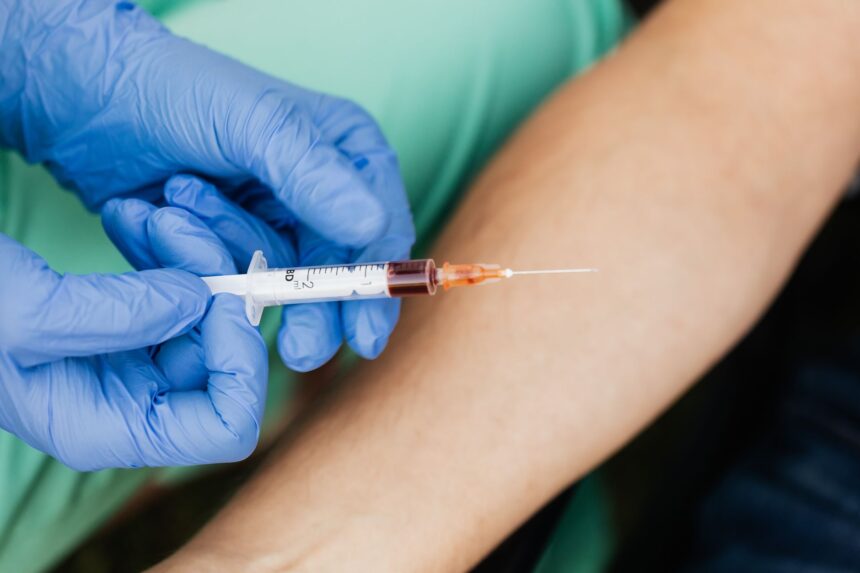
Medical professional handling blood collection equipment in clinical setting
New WHO report reveals significant progress in blood safety globally, but highlights persistent access inequalities that continue to endanger lives in lower-income countries. — Photo by www.kaboompics.com on Pexels (Pexels License)
SHARE
1 min read|129 words

A comprehensive World Health Organization assessment has revealed stark disparities in global blood safety, with high-income countries achieving near-universal safety standards while lower-income nations struggle with critical shortages. The report underscores a troubling paradox: decades of progress in blood screening and safety protocols have been concentrated primarily in wealthier regions, leaving vulnerable populations in resource-limited settings at continued risk.

According to WHO officials, these inequalities directly affect patient outcomes across critical populations, including women experiencing childbirth complications, trauma victims, cancer patients, and individuals requiring regular transfusions. Blood shortages in lower-income countries create impossible choices for healthcare providers and families facing life-or-death decisions. The assessment emphasizes that addressing these persistent gaps requires targeted global interventions and sustained commitment from the international health community.

Read the full article on GMJ Newsroom.

Was this article helpful?

GMJ Brief · Announcement

📰 Read the full article: Global Blood Safety Report Reveals Widening Access Gap Despite Progress →

Share This Article
Facebook LinkedIn Bluesky Copy Link Print
GMJ
ByProf. Giorgi Pkhakadze
Follow:
Prof. Giorgi Pkhakadze, MD, MPH, PhD, is Editor-in-Chief of the Georgian Medical Journal and Chair of the Public Health Institute of Georgia (PHIG). He is Professor and Head of the Department of Social and Behavioural Sciences at David Tvildiani Medical University, and Secretary/Treasurer of the UEMS Section of Public Health. ORCID: 0000-0001-7609-4515.

Submit Your Paper →

Georgia's peer-reviewed open-access medical journal. No APC until January 2027.
Submit Manuscript →
Orforglipron Shows Clinically Significant HbA1c Reductions in Type 2 Diabetes

Two phase III randomised controlled trials presented at the American Diabetes Association…

Plasma protein signatures reveal how individual cell types age and predict disease risk

Plasma proteomics can measure biological aging independently in 40+ cell types, with…

Bidi Smoking Linked to Elevated Cancer Risk in Large Indian Study

A multicentre case-control study in India links bidi smoking—hand-rolled cigarettes common in…

Submit Your Paper to GMJ

No APC until January 2027.
Submit Manuscript →

You Might Also Like

Medical professional discussing GLP-1 medication safety and dosing concerns

Medical Experts Warn Against Unsupervised GLP-1 Microdosing for Weight Loss

By
Prof. Giorgi Pkhakadze
05/06/2026
Map showing malaria prevention coverage across sub-Saharan African countries

Three-Fold Malaria Risk Disparity Between Rural and Urban Children in Sub-Saharan Africa

By
Prof. Giorgi Pkhakadze
07/06/2026
New mother struggling with breastfeeding in hospital setting

UK Maternal Healthcare Crisis: Inadequate Breastfeeding Support Drives Mothers Away from Future Pregnancies

By
Prof. Giorgi Pkhakadze
08/07/2026
Medical isolation ward with healthcare workers in protective equipment

Laboratory Testing Underway for Two Suspected Viral Hemorrhagic Fever Cases in Brazil

By
Prof. Giorgi Pkhakadze
15/06/2026
Facebook Twitter Youtube Instagram
Company
  • Privacy Policy
  • Contact US
  • GMJ Journal
  • Submit Manuscript
  • Editorial Team
  • Register at GMJ
  • Terms of Use

Subscribe to GMJ News — Click here

Join Community
© 2026 Georgian Medical Journal (GMJ). Published by the Public Health Institute of Georgia (PHIG). All rights reserved.
Welcome Back!

Sign in to your account

Username or Email Address
Password

Lost your password?

Not a member? Sign Up