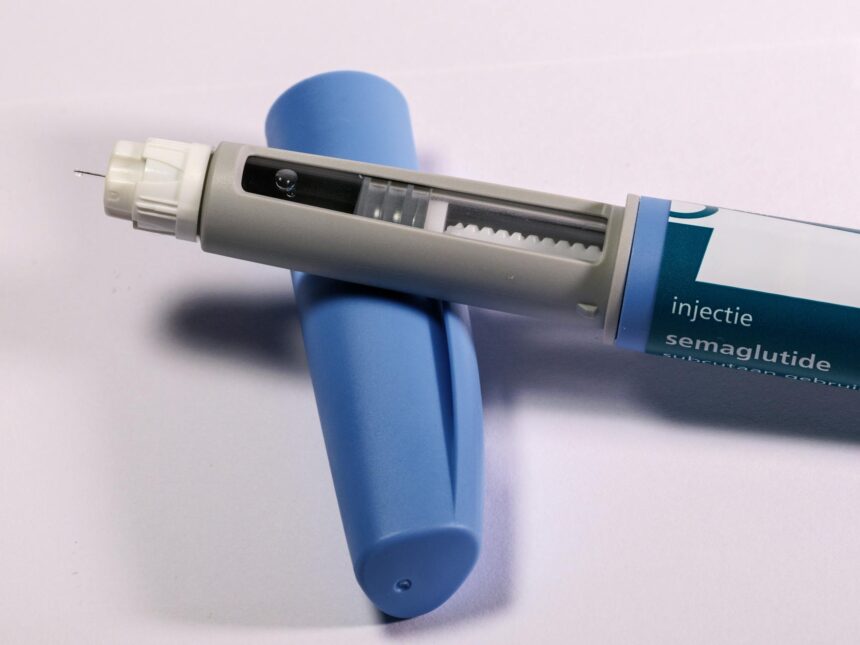
A growing trend of self-administered GLP-1 microdosing for cosmetic weight loss is prompting urgent safety warnings from medical professionals. The practice involves taking substantially reduced doses of medications like semaglutide and tirzepatide—often 0.25-0.5 mg compared to FDA-approved weekly doses of 2.4 mg—without medical oversight and frequently through compounded formulations.
Weight-loss specialists emphasize that GLP-1 medications were rigorously tested at specific therapeutic doses during clinical trials that established their safety and efficacy profiles. Microdosing represents an untested, off-label approach that lacks scientific validation. Additionally, compounded versions of these medications face different FDA oversight standards than brand-name drugs, potentially resulting in variability in potency, purity, and stability.
Medical professionals stress that any GLP-1 therapy requires proper clinical supervision to monitor for adverse effects and drug interactions. The knowledge gap surrounding long-term microdose safety creates significant risks for patients pursuing this approach without healthcare guidance.
Read the full article on GMJ Newsroom.

Was this article helpful?