🟡 Preliminary Evidence
Epidermal thinning is a hallmark of skin aging, reducing barrier integrity and regenerative potential. New research published in The Journal of Investigative Dermatology (PMID: 40262671) suggests that vitamin C may work not merely as an antioxidant, but by altering gene expression patterns in aged skin cells—potentially restoring a more youthful epidermal profile through DNA demethylation at key promoter regions.
Key takeaways
- Vitamin C directly enhanced gene expression linked to epidermal thickening in aged human skin cells by promoting DNA demethylation
- Vitamin C-deficient mice showed restored epidermal thickness when treated with ascorbic acid supplementation, supporting translational potential
- Topical vitamin C formulations (10–20% L-ascorbic acid) may be more effective than oral supplements for targeting skin stem cell gene expression directly
- Oral vitamin C absorption is regulated by gut transporters, making it unlikely that high doses reach skin cells at therapeutic concentrations
Vitamin C Absorption and Skin Delivery Routes
Plasma saturation levels and bioavailability pathways in healthy adults
Source: The Journal of Investigative Dermatology (PMID: 40262671) | Georgian Medical Journal News

How Vitamin C May Restore Youthful Gene Expression
The study used aged human skin cells and demonstrated that vitamin C directly enhanced gene expression associated with epidermal thickening, a process mediated through DNA demethylation at promoter regions. This mechanism suggests that vitamin C acts as an epigenetic modulator—essentially “flipping” genetic switches that revert aging signatures in skin tissue.
Research validation extended to vitamin C-deficient mice, which showed restored epidermal thickness when treated with ascorbic acid supplementation. These animal and cell models represent a middle ground between purely laboratory findings and human clinical evidence, providing stronger evidence than in vitro studies alone, though still not definitively conclusive for human translation.
The Bioavailability Problem: Why Topical May Outperform Oral
While the mechanism is compelling, human application faces a practical barrier. Oral vitamin C absorption is tightly regulated by gut transporters SVCT1 and SVCT2, which limit how much dietary or supplemental vitamin C reaches systemic circulation. Although 200–400 mg daily of vitamin C saturates plasma levels in healthy adults—supporting systemic antioxidant defense and collagen hydroxylation—this concentration gradient is unlikely to deliver the pharmacologic doses required for epidermal stem cell gene activation.
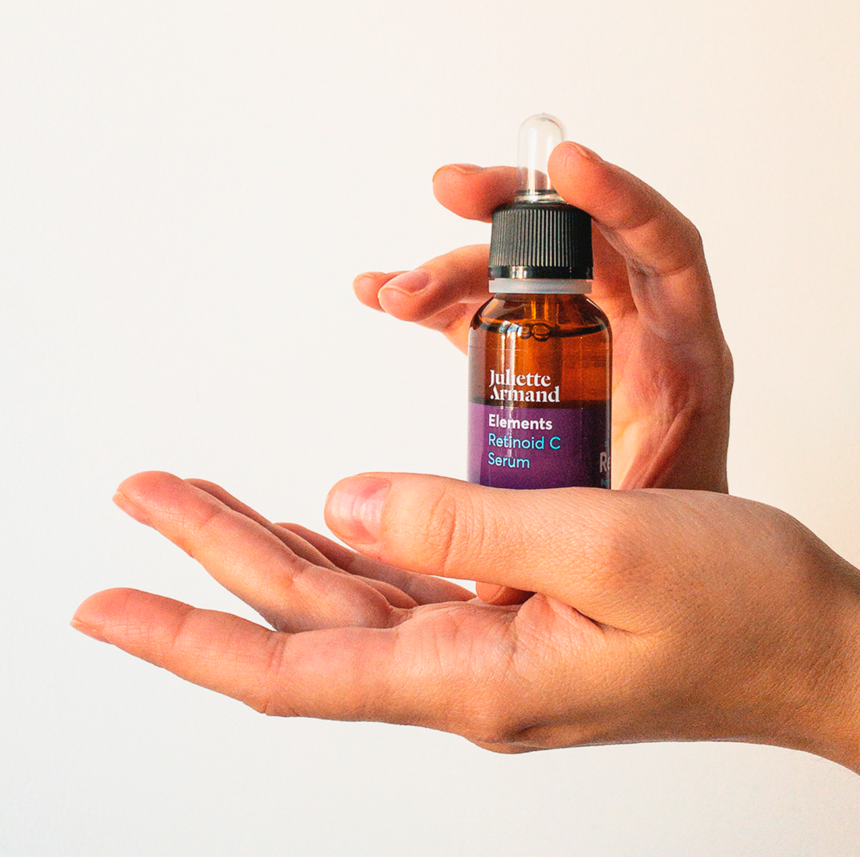
Topical vitamin C, particularly stabilized L-ascorbic acid formulations in the 10–20% range, offers a more direct route. By bypassing gut absorption limitations, topical application may achieve the localized concentrations needed to trigger DNA demethylation and epidermal remodeling in skin. This explains why dermatologists have long favored topical vitamin C serums over oral supplements for anti-aging efficacy.
Translating Research to Clinical Practice
The findings in The Journal of Investigative Dermatology highlight a critical distinction: oral intake still matters for systemic collagen support and antioxidant defense, but targeted epidermal stem cell gene expression likely requires topical delivery. This dual-pathway approach—combining oral vitamin C for systemic benefits with topical formulations for local epigenetic modulation—may represent the most evidence-aligned strategy for skin aging reversal.
However, the in vitro doses required to induce demethylation remain substantially higher than typical physiological levels, raising questions about whether lower-dose topical formulations achieve comparable efficacy in living human skin. Further clinical trials in human volunteers will be needed to confirm that the genetic mechanisms observed in cell culture translate to measurable skin thickness and functional barrier improvement.
Vitamin C directly enhanced gene expression associated with epidermal thickening through DNA demethylation at promoter regions in aged human skin cells, with validation in vitamin C-deficient mice showing restored epidermal thickness with ascorbic acid supplementation.
— The Journal of Investigative Dermatology (PMID: 40262671)
What this means
Topical vitamin C serums (10–20% L-ascorbic acid) applied daily may offer more direct anti-aging benefits for epidermal thickness than oral supplements alone, though oral intake (200–400 mg daily) remains important for systemic skin health and collagen support.
When counseling patients on anti-aging skin interventions, recommend a combined approach: topical stabilized L-ascorbic acid for localized epigenetic remodeling of epidermal stem cells, plus adequate oral vitamin C intake for collagen hydroxylation and systemic antioxidant defense. Formulation stability and concentration matter significantly.
These findings support cosmetic and dermatologic claims for topical vitamin C products when formulated at therapeutic concentrations. They also reinforce public health messaging that adequate dietary vitamin C (200–400 mg daily) is foundational for skin barrier function across the lifespan.
Frequently asked questions
Does taking oral vitamin C supplements help reverse skin aging?
Oral vitamin C (200–400 mg daily) saturates plasma levels and supports systemic collagen synthesis and antioxidant defense, both essential for skin health. However, according to The Journal of Investigative Dermatology research, the gut transporters SVCT1/2 limit absorption, making it unlikely that oral supplements achieve the high local concentrations needed to trigger epigenetic remodeling of epidermal stem cells—the mechanism observed in the recent study.
What is the difference between topical and oral vitamin C for skin aging?
Topical vitamin C (10–20% stabilized L-ascorbic acid) bypasses gut absorption limitations and delivers high concentrations directly to skin stem cells, potentially triggering DNA demethylation and epidermal thickening. Oral vitamin C supports systemic collagen and antioxidant function but does not reach skin in the pharmacologic doses shown in laboratory studies to activate epigenetic switches. Both routes serve different biological purposes.
How much vitamin C should I consume daily for healthy skin?
Research published in The Journal of Investigative Dermatology notes that 200–400 mg daily saturates plasma vitamin C levels in healthy adults, supporting collagen hydroxylation and systemic antioxidant defense. This intake level is consistent with major health authority recommendations and provides a strong foundation for skin barrier health, though additional topical vitamin C application may be needed for targeted epigenetic effects.
Future clinical trials testing topical vitamin C formulations at the concentrations identified in this research will be essential to determine whether the epigenetic mechanisms observed in aged skin cells translate to measurable improvements in epidermal thickness, barrier function, and visible skin rejuvenation in living humans. Such trials should also clarify whether lower-dose formulations—more practical for consumer products—retain efficacy. In the interim, combining evidence-based oral intake with dermatologist-recommended topical formulations offers the most biologically coherent approach to anti-aging skin care. See more on clinical updates and new studies at Georgian Medical Journal News.
Source: The Journal of Investigative Dermatology (PMID: 40262671)
Was this article helpful?
Disclaimer. This article is health journalism intended for general information and education. It is not medical advice and is not a substitute for professional diagnosis or treatment. Always consult a qualified healthcare provider about your individual circumstances. Full disclaimer →
Related Coverage




Medically reviewed by Prof. Giorgi Pkhakadze, MD, MPH, PhD. Spotted an error? Contact the editorial team.