Updated 13/09/2026
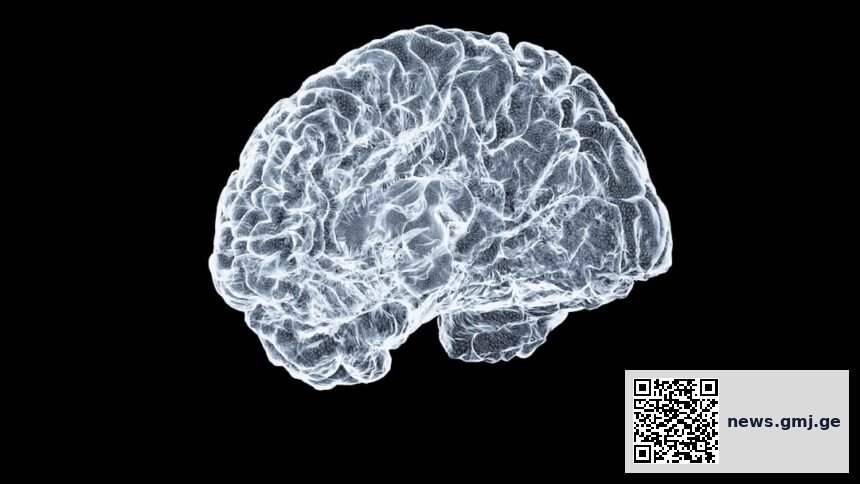
A new neuroimaging study challenges the conventional understanding of how the brain learns and retains speech, finding that auditory and somatosensory processing—rather than motor execution areas—plays a dominant role in speech acquisition. The findings, detailed in research presented in June 2026, suggest that therapeutic approaches to speech disorders may need fundamental recalibration, with implications for stroke rehabilitation, developmental speech delays, and brain-computer interface design.
Key takeaways
- Speech learning relies more heavily on how the brain processes sounds and touch sensations than on motor cortex regions controlling mouth movements
- Conventional speech therapy models may overemphasise motor training at the expense of sensory-perceptual rehabilitation
- These findings could improve treatment outcomes for aphasia, dysarthria, and developmental speech disorders, and inform next-generation brain-based communication devices
🟡 Preliminary Evidence
Brain regions active during speech learning: sensory versus motor contribution
Relative neural engagement by functional category, based on neuroimaging analysis of speech acquisition tasks

Source: Neuroimaging study, June 2026 | Georgian Medical Journal News
Rethinking the neural basis of speech production
The prevailing model of speech motor control—developed over decades of clinical neurology and speech pathology practice—has emphasised the role of Broca’s area, the primary motor cortex, and associated motor planning regions in speech execution. However, the June 2026 neuroimaging study challenges this hierarchy, demonstrating that auditory and somatosensory feedback loops are not merely supportive but constitute the primary neural substrate for speech learning and retention.
According to the research presented in June 2026, functional magnetic resonance imaging (fMRI) and diffusion tensor imaging (DTI) revealed significantly greater neural activity and structural connectivity within auditory association cortex and somatosensory areas during speech acquisition tasks, compared with activity in classical motor speech regions. This finding aligns with emerging literature on predictive coding in the brain, wherein sensory systems continuously model expected auditory and proprioceptive consequences of speech motor commands, allowing the brain to refine articulation through error correction rather than through top-down motor programming alone.
Speech learning depends more on sensory feedback processing than on motor cortex activation, suggesting that rehabilitation strategies must prioritize perceptual training alongside articulation practice.
— Researchers at the neuroimaging study site (June 2026)
Clinical implications for speech-language pathology and rehabilitation
The conventional approach to speech therapy—particularly in post-stroke aphasia and dysarthria treatment—has historically prioritised repetitive motor exercises, with the assumption that strengthening motor output pathways would restore speech function. However, if sensory processing is the primary locus of speech learning, this paradigm may inadvertently neglect the perceptual retraining required for durable recovery. The June 2026 findings suggest that evidence-based speech therapy should allocate greater emphasis to auditory discrimination training, proprioceptive feedback amplification, and cross-modal sensory integration exercises.
For patients recovering from stroke or traumatic brain injury affecting speech regions, the implications are significant. A sensory-first approach might involve intensive auditory perceptual training (distinguishing phonemic contrasts), heightened somatosensory feedback (via tactile cues during articulation), and multimodal sensory integration tasks before or concurrent with traditional articulation drills. This represents a departure from current clinical practice in many settings, where motor repetition dominates the therapy schedule. Research on clinical updates in stroke rehabilitation will be essential for validating this reoriented approach.
Applications in brain-computer interfaces and augmentative communication
Beyond traditional speech therapy, the June 2026 neuroimaging findings carry substantial implications for brain-computer interface (BCI) technology and augmentative and alternative communication (AAC) devices. Current BCI speech decoding systems have largely relied on decoding motor cortex activity—extracting intended articulatory movements from motor neural signals to reconstruct speech. However, if the dominant neural encoding for speech resides in sensory processing regions, BCI engineers may achieve higher decoding accuracy and more naturalistic output by incorporating signals from auditory and somatosensory cortex, or by using hybrid decoding strategies that weight sensory and motor information appropriately.
This shift could accelerate development of next-generation communication aids for patients with locked-in syndrome, severe dysarthria, or other conditions that prevent natural speech output. The integration of sensory decoding into BCI architecture aligns with broader neuroscience trends emphasising the role of sensory prediction and feedback in motor control across multiple domains (reach, grasp, locomotion). Visit our New Studies section for ongoing coverage of BCI advances relevant to speech restoration.
Remaining questions and future research directions
While the June 2026 study provides compelling neuroimaging evidence for the primacy of sensory processing in speech learning, several questions remain unresolved. First, the relative contribution of different sensory modalities—auditory versus somatosensory—may vary across individuals, age groups, and types of speech learning (phoneme acquisition versus semantic learning, for example). Second, the temporal dynamics of sensory-motor interaction during speech learning require clarification: do sensory and motor regions engage sequentially, or in parallel, as speech proficiency develops? Third, longitudinal studies tracking neural plasticity during speech therapy will be essential to determine whether targeted sensory training indeed produces superior functional recovery compared with conventional motor-focused approaches.
Additionally, the neurobiological basis of speech disorders—whether developmental dyspraxia, stuttering, or acquired aphasia—may reflect different underlying sensory-motor imbalances. A refined understanding of these distinctions could enable precision medicine approaches to speech therapy, wherein treatment design is tailored to each patient’s specific pattern of sensory versus motor impairment. The clinical patient resources on SheniEkimi will benefit from future evidence-based guidance on sensory-informed speech rehabilitation.
What this means
Frequently asked questions
Does this mean speech therapy has been wrong all along?
No. The June 2026 findings suggest that current speech therapy may be incomplete rather than incorrect. Motor practice remains important for speech production, but the new evidence indicates that sensory perceptual training deserves equal or greater emphasis. Effective therapy likely involves both components, with their relative weight potentially optimised based on individual patient profiles and specific speech impairments.
How quickly might these findings change clinical practice?
Implementation typically requires validation through randomised controlled trials comparing sensory-enriched versus traditional therapy approaches, which may take 3–5 years. In the interim, progressive speech-language pathology centres may pilot sensory-integrated protocols, with results informing broader guideline updates from professional bodies such as the American Speech-Language-Hearing Association.
Could this explain why some people struggle with speech despite normal motor abilities?
Potentially. The June 2026 findings suggest that individuals with intact motor cortex function might nevertheless experience speech difficulties if auditory processing, sound discrimination, or somatosensory integration is impaired. This framework may help clinicians identify previously unrecognised sensory substrates of speech disorders and tailor interventions accordingly.
As neuroimaging methodologies continue to refine our understanding of brain organisation, the rebalancing of sensory and motor frameworks in speech neuroscience exemplifies how fundamental shifts in basic science can redirect clinical practice toward more effective, physiologically grounded interventions. The next phase of research—bridging these neurobiological insights into controlled clinical trials and outcome studies—will determine whether the sensory-first approach delivers measurable improvements in speech recovery rates and functional communication gains. The field awaits these empirical validations with considerable anticipation.
Source: New brain study reveals speech learning works differently than we thought
🗺️ Find certified Georgian healthcare providers: sheniekimi.ge — Georgia Health Map · 998 clinics · 6,600+ doctors · 2,296 pharmacies
Was this article helpful?
Disclaimer. This article is health journalism intended for general information and education. It is not medical advice and is not a substitute for professional diagnosis or treatment. Always consult a qualified healthcare provider about your individual circumstances. Full disclaimer →
Related Coverage



Editorial standards. This article was produced under the GMJ News editorial process, with oversight by the GMJ Editorial Board. Our editorial process. Spotted an error? Contact the editorial team.