By using this site, you agree to the Privacy Policy and Terms of Use.
Accept
GMJ NewsGMJ NewsGMJ News
  • Latest News
    • GMJ Briefs
  • The Wire
  • Health Topics
  • Podcast & Media
    • GMJ Audio
    • GMJ Videos
    • Podcast & Media
    • Podcast Episodes
  • GMJ Articles
    • Vol. 1 Issue 3 (2026)
    • Public Health Dictionary — Supplement Edition
    • IAP Legacy Series
    • Read Full Journal (gmj.ge) →
    • Pre-Launch Articles (2025)
    • Vol. 1 Issue 1 (2026)
    • Vol. 1 Issue 2 (2026)
  • Perspectives
    • Editorial
    • Explainers
    • Letters
    • Voices
  • Policy & Systems
    • Global Health
    • Health Policy
    • Migration & Health
    • Quality & Safety
    • Work & Health
  • Dictionary
    • Our Story: 20 Years in the Making
    • Browse A–Z
    • About the Project
    • Contribute a Term
  • Practice
    • Case Discussions
    • Clinical Updates
    • Pharmacy & Prescribing
  • Research Digest
    • Data & Numbers
    • Georgian Research
    • New Studies
  • Read the Journal →
Notification Show More
Font ResizerAa
GMJ NewsGMJ News
Font ResizerAa
  • Latest News
  • The Wire
  • Health Topics
  • Podcast & Media
  • GMJ Articles
  • Perspectives
  • Policy & Systems
  • Dictionary
  • Practice
  • Research Digest
  • Read the Journal →
  • Latest News
    • GMJ Briefs
  • The Wire
  • Health Topics
  • Podcast & Media
    • GMJ Audio
    • GMJ Videos
    • Podcast & Media
    • Podcast Episodes
  • GMJ Articles
    • Vol. 1 Issue 3 (2026)
    • Public Health Dictionary — Supplement Edition
    • IAP Legacy Series
    • Read Full Journal (gmj.ge) →
    • Pre-Launch Articles (2025)
    • Vol. 1 Issue 1 (2026)
    • Vol. 1 Issue 2 (2026)
  • Perspectives
    • Editorial
    • Explainers
    • Letters
    • Voices
  • Policy & Systems
    • Global Health
    • Health Policy
    • Migration & Health
    • Quality & Safety
    • Work & Health
  • Dictionary
    • Our Story: 20 Years in the Making
    • Browse A–Z
    • About the Project
    • Contribute a Term
  • Practice
    • Case Discussions
    • Clinical Updates
    • Pharmacy & Prescribing
  • Research Digest
    • Data & Numbers
    • Georgian Research
    • New Studies
  • Read the Journal →
Follow US
GMJ News > GMJ Briefs > Perfect Clinical Outcome: 15 of 15 Lupus Patients Achieve Drug-Free Remission with CAR-T Therapy

Perfect Clinical Outcome: 15 of 15 Lupus Patients Achieve Drug-Free Remission with CAR-T Therapy

GMJ
Last updated: 17/07/2026 12:43
By
Prof. Giorgi Pkhakadze, MD, MPH, PhD
Share
1 Min Read
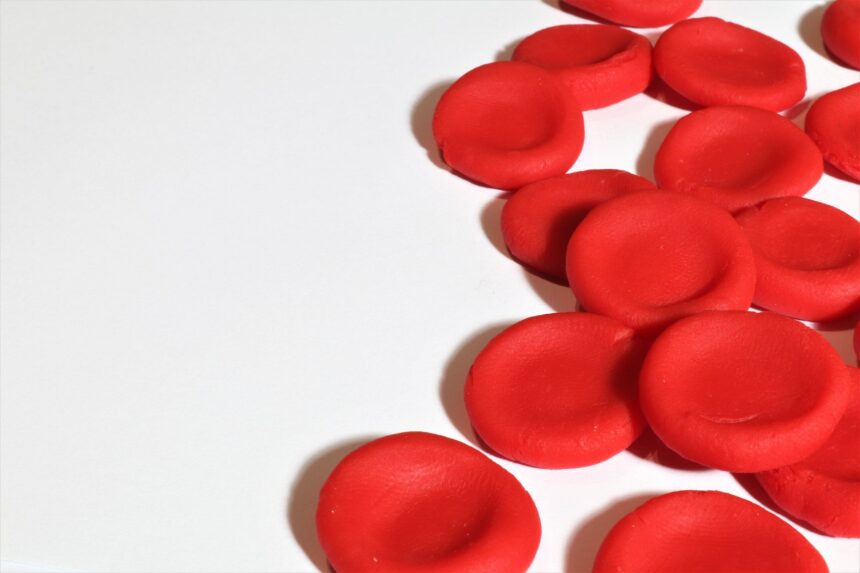
Medical illustration showing CAR-T cells targeting lupus-causing B cells in the immune system
German trial shows CAR-T cell therapy achieved complete drug-free remission in all 15 severe lupus patients. The treatment reprograms the immune system by targeting antibody-producing cells. — Photo by Roger Brown on Pexels (Pexels License)
SHARE
1 min read|113 words

A Phase I clinical trial from Germany has reported a remarkable 100% complete remission rate in severe lupus patients treated with modified CAR-T cell therapy. Among 15 patients with treatment-refractory systemic lupus erythematosus, all achieved clinical remission following a single therapeutic infusion. The trial, led by Prof. Andreas Mackensen at the University of Erlangen-Nuremberg and published in Nature Medicine, tracked patient outcomes across follow-up periods ranging from three months to two years. Notably, no patients required additional lupus medications during their observation periods. The therapy selectively targets CD19-positive B cells while preserving other immune functions, potentially eliminating the need for chronic immunosuppression. These preliminary findings represent a significant departure from traditional lupus management approaches.

Was this article helpful?
GMJ Brief · Key Finding

📰 Read the full article: CAR-T Cell Therapy Achieves Drug-Free Lupus Remission in German Trial →

Related reference
  • Systemic Lupus Erythematosus · Condition
Share This Article
Facebook Whatsapp Whatsapp LinkedIn Telegram Bluesky Copy Link Print
GMJ
ByProf. Giorgi Pkhakadze, MD, MPH, PhD
Follow:
MD, MPH, PhD. Editor-in-Chief, Georgian Medical Journal (GMJ). Professor and Head, School of Public Health, David Tvildiani Medical University (DTMU), Tbilisi, Georgia. Chair, Public Health Institute of Georgia (PHIG). President, Accréditation Sans Frontières (ASF), Paris. Secretary/Treasurer, UEMS Section of Public Health. WHO Consultant, Health and Migration, Geneva. Former Member, UN Secretary-General's Independent Accountability Panel for Every Woman, Every Child, Every Adolescent (IAP-EWEC, 2016–2021). ORCID: 0000-0001-7609-4515.

Submit Your Paper →

Georgia's peer-reviewed open-access medical journal. No APC until January 2027.
Submit Manuscript →
A 10-Second Daily Finger Exercise May Support Cognitive Function, New Research Suggests

Emerging research suggests a simple 10-second daily finger exercise may support cognitive…

Lemierre’s Syndrome: A Rare but Life-Threatening Complication of Throat Infection

Lemierre's syndrome is a rare but potentially fatal thrombophlebitis of the internal…

Why fructose fails to satisfy hunger like glucose: new neurobiology reveals brain’s sugar selectivity

A 2026 study reveals that glucose and fructose activate different hunger-control pathways…

Submit Your Paper to GMJ

No APC until January 2027.
Submit Manuscript →

You Might Also Like

Diagram of vagus nerve inflammatory reflex: brain to spleen to immune response

Three Mechanisms Explain How Your Brain Controls Inflammation—And What This Means for You

By
Prof. Giorgi Pkhakadze, MD, MPH, PhD
16/09/2026
Child on trampoline with safety netting and protective padding

Takeaway: Trampoline Injuries Rise Among Children: A Case for Vigilance and Prevention

By
Prof. Giorgi Pkhakadze, MD, MPH, PhD
19/09/2026
NHS medical workforce planning strategy diagram showing policy changes and training priorities

Three Critical Changes Reshaping UK Medical Workforce Strategy

By
Prof. Giorgi Pkhakadze, MD, MPH, PhD
25/07/2026
Infographic showing three-step alcohol metabolism pathway: ethanol to acetaldehyde to acetate to acetyl-CoA, with NAD+ cofactor cycling.

Unraveling Alcohol Metabolism: Why Your Body Cannot Fast-Track Ethanol Clearance

By
Prof. Giorgi Pkhakadze, MD, MPH, PhD
28/07/2026
Facebook Twitter Youtube Instagram
Company
  • Privacy Policy
  • Accreditation Canada in Georgia
  • GMJ Journal
  • Submit Manuscript
  • Editorial Team
  • Register at GMJ

Subscribe to GMJ News — Click here

Join Community
© 2026 Georgian Medical Journal (GMJ). Published by the Public Health Institute of Georgia (PHIG). All rights reserved.
Welcome Back!

Sign in to your account

Username or Email Address
Password

Lost your password?