By using this site, you agree to the Privacy Policy and Terms of Use.
Accept
GMJ NewsGMJ NewsGMJ News
  • Latest News
    • GMJ Briefs
  • The Wire
  • Health Topics
  • Podcast & Media
    • GMJ Audio
    • GMJ Videos
    • Podcast & Media
    • Podcast Episodes
  • GMJ Articles
    • Vol. 1 Issue 3 (2026)
    • Public Health Dictionary — Supplement Edition
    • IAP Legacy Series
    • Read Full Journal (gmj.ge) →
    • Pre-Launch Articles (2025)
    • Vol. 1 Issue 1 (2026)
    • Vol. 1 Issue 2 (2026)
  • Perspectives
    • Editorial
    • Explainers
    • Letters
    • Voices
  • Policy & Systems
    • Global Health
    • Health Policy
    • Migration & Health
    • Quality & Safety
    • Work & Health
  • Dictionary
    • Our Story: 20 Years in the Making
    • Browse A–Z
    • About the Project
    • Contribute a Term
  • Practice
    • Case Discussions
    • Clinical Updates
    • Pharmacy & Prescribing
  • Research Digest
    • Data & Numbers
    • Georgian Research
    • New Studies
  • Read the Journal →
Notification Show More
Font ResizerAa
GMJ NewsGMJ News
Font ResizerAa
  • Latest News
  • The Wire
  • Health Topics
  • Podcast & Media
  • GMJ Articles
  • Perspectives
  • Policy & Systems
  • Dictionary
  • Practice
  • Research Digest
  • Read the Journal →
  • Latest News
    • GMJ Briefs
  • The Wire
  • Health Topics
  • Podcast & Media
    • GMJ Audio
    • GMJ Videos
    • Podcast & Media
    • Podcast Episodes
  • GMJ Articles
    • Vol. 1 Issue 3 (2026)
    • Public Health Dictionary — Supplement Edition
    • IAP Legacy Series
    • Read Full Journal (gmj.ge) →
    • Pre-Launch Articles (2025)
    • Vol. 1 Issue 1 (2026)
    • Vol. 1 Issue 2 (2026)
  • Perspectives
    • Editorial
    • Explainers
    • Letters
    • Voices
  • Policy & Systems
    • Global Health
    • Health Policy
    • Migration & Health
    • Quality & Safety
    • Work & Health
  • Dictionary
    • Our Story: 20 Years in the Making
    • Browse A–Z
    • About the Project
    • Contribute a Term
  • Practice
    • Case Discussions
    • Clinical Updates
    • Pharmacy & Prescribing
  • Research Digest
    • Data & Numbers
    • Georgian Research
    • New Studies
  • Read the Journal →
Follow US
GMJ News > Practice > Clinical Updates > Why fructose fails to satisfy hunger like glucose: new neurobiology reveals brain’s sugar selectivity
Clinical UpdatesData & NumbersNew StudiesPracticeResearch Digest

Why fructose fails to satisfy hunger like glucose: new neurobiology reveals brain’s sugar selectivity

GMJ
Last updated: 13/09/2026 21:30
By
GMJ Practice Desk
Share
10 Min Read
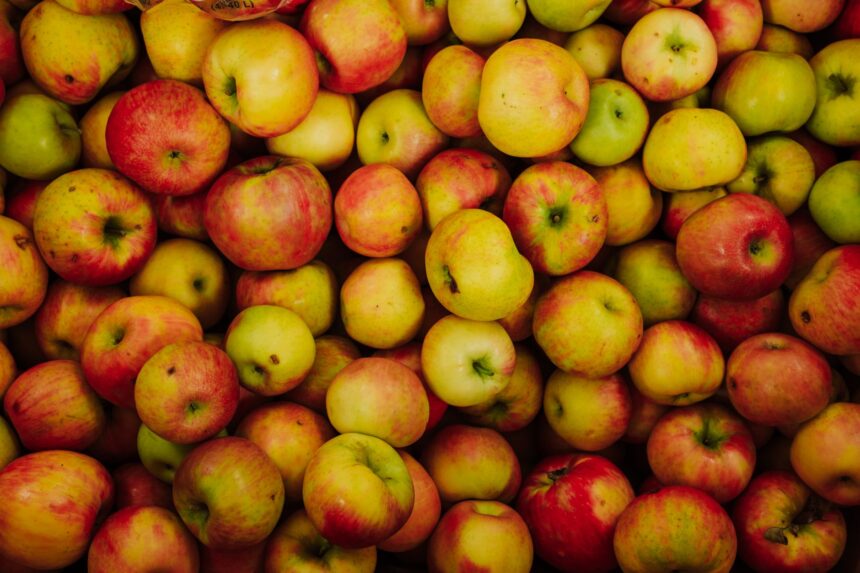
Comparative brain neuron activity showing differential response to glucose versus fructose in appetite regulationIllustrative image · Photo by K on Pexels (Pexels License)
A 2026 study reveals that glucose and fructose activate different hunger-control pathways in the brain. While glucose strongly suppresses appetite-promoting neurons, fructose produces only minimal appetite suppression—a mechanism that may explain why high-fructose diets fail to promote satiety despite identical caloric content. — Photo by K on Pexels (Pexels License)
SHARE
6 min read|1,246 words
✓ Reviewed by GMJ News Editorial Team

🟠 Moderate Evidence

Contents
    • Key takeaways
      • Study at a Glance
      • Differential neurobiological response to sugars
  • The glucose-fructose disconnect: why calories alone don’t explain satiety
  • High-fructose corn syrup activates reward pathways more strongly than pure fructose
  • Implications for nutrition labeling and public health policy
    • What this means
  • Frequently asked questions
    • If glucose and fructose have the same calories, why does the brain respond differently to them?
    • Does this mean all fructose is harmful, or only high-fructose corn syrup?
    • Will these animal findings translate to humans, and when can we expect human studies?

Fructose and glucose may be nutritionally indistinguishable on a food label, but the human brain treats them as fundamentally different nutrients. A new animal study published in 2026 reveals that glucose strongly suppresses hunger-promoting neurons in the hypothalamus, while fructose produces only a marginal dampening effect—a neurobiological mechanism that may help explain why high-fructose diets fail to reduce appetite and caloric intake as effectively as glucose-rich alternatives. The findings suggest that sugar type, not caloric equivalence alone, shapes hunger signaling and food preference.

Key takeaways

  • Glucose significantly reduced activity in appetite-stimulating brain cells, whereas fructose had minimal appetite-suppressing effects in the study model
  • High-fructose corn syrup elicited stronger responses in reward pathways and was preferentially consumed by study animals
  • The differential neurobiological response to sugar types may explain why fructose-sweetened products do not promote satiety as effectively as glucose-sweetened foods, despite identical caloric content
  • These findings challenge the assumption that all sugars are metabolically equivalent from a hunger-regulation perspective

Study at a Glance

Source 2026 neurobiology research study
Study type Animal model experimental study (mice)
Primary outcome Hypothalamic neuronal response to fructose vs. glucose
Key measure Appetite-promoting neuron activity; food preference
Relevance Sugar type influences satiety signaling independent of caloric content
Marginal effect
Fructose produced only minimal suppression of hunger-promoting neurons compared to glucose’s strong appetite-dampening response

Differential neurobiological response to sugars

Relative effect on appetite-promoting neuron activity; glucose vs. fructose vs. high-fructose corn syrup

Glucose (appetite suppression)
Strong
High-fructose corn syrup (reward activation)
Elevated
Fructose (appetite suppression)
Weak

Source: 2026 neurobiology research study | Georgian Medical Journal News

Submit Your Paper
GMJ_Submit_Banner

The glucose-fructose disconnect: why calories alone don’t explain satiety

Food labels typically list glucose and fructose interchangeably—both as simple sugars contributing identical amounts of energy per gram. However, the 2026 study challenges this caloric equivalence assumption at the level of neurobiological appetite control. When mice consumed glucose, researchers observed robust suppression of neurons in the hypothalamus that promote hunger and feeding behavior. In contrast, when the same animals ingested fructose, the hunger-promoting neurons remained substantially more active, suggesting that the brain’s appetite-regulation system distinguishes between these two monosaccharides despite their identical energy content.

This distinction has practical implications for understanding why consumption of fructose-enriched foods fails to produce equivalent satiety signals compared to glucose-based alternatives. The neurobiological mechanism operates independently of caloric density, indicating that sugar chemistry—not just energy quantity—is a determinant of appetite suppression. This finding aligns with epidemiological observations that populations consuming high-fructose diets report diminished satiety sensations and increased overall caloric intake despite meeting energy requirements.

High-fructose corn syrup activates reward pathways more strongly than pure fructose

A particularly striking observation from the research involves high-fructose corn syrup (HFCS), a ubiquitous sweetener in processed foods. When study animals were offered HFCS, they exhibited a stronger neural response in reward-related brain regions compared to pure fructose exposure, and they preferentially consumed HFCS when given a choice. This suggests that the reward-activation properties of HFCS may override the already-weak appetite-suppressing signals from fructose alone, creating a neurobiological environment that encourages continued consumption despite adequate caloric intake.

The preference for HFCS documented in the animal model may partially explain the widespread obesity epidemiology in populations with high access to HFCS-sweetened beverages and processed foods. Unlike glucose, which signals satiety through hypothalamic appetite-suppression pathways, HFCS engages reward circuitry in a manner that may perpetuate seeking behavior. This represents a mechanistic insight into why dietary interventions targeting reduction of added sugars often focus specifically on HFCS elimination rather than treating all simple sugars equivalently.

Implications for nutrition labeling and public health policy

Current nutritional labeling requirements treat all simple sugars as metabolically equivalent, grouping glucose, fructose, and sucrose under a single “total sugars” line item. The 2026 findings suggest this approach may obscure important neurobiological distinctions that affect appetite regulation and long-term caloric intake. If the appetite-suppression differential between glucose and fructose generalizes to human populations, then food labels listing only total sugars without specifying sugar type may inadvertently provide incomplete guidance to consumers attempting to manage appetite and body weight.

Public health agencies and regulatory bodies such as the U.S. Food and Drug Administration (FDA) and the World Health Organization (WHO) have emphasized reducing added sugars as a population-level intervention. The neurobiological evidence that fructose—particularly in HFCS form—fails to engage appetite-suppression mechanisms suggests that guidelines differentiating between sugar types may be more effective than blanket reductions in total sugar intake. This could inform the development of more granular labeling standards and clearer public health messaging about sugar sources in processed foods.

Glucose strongly reduced activity in appetite-promoting brain cells, while fructose produced only marginal appetite suppression—a neurobiological difference that persists despite identical caloric content. High-fructose corn syrup activated reward pathways more strongly and was preferentially consumed by study animals.

— 2026 neurobiology research study

What this means

For patients: Choosing foods and beverages sweetened with glucose or sugar alcohols over fructose-based sweeteners may provide stronger satiety signals and help reduce total caloric intake. Reading ingredient lists to identify and minimize high-fructose corn syrup consumption could support appetite management independent of calorie counting.
For clinicians: When counseling patients on weight management or diabetes prevention, distinguishing between sugar types rather than simply counting “total sugars” may provide more nuanced dietary guidance. Patients may benefit from specific recommendations to reduce fructose and HFCS intake while being less restrictive about glucose-containing foods of equivalent caloric value.
For policymakers: Regulatory standards for nutritional labeling could be updated to separately list glucose, fructose, and high-fructose corn syrup rather than aggregating them as “total sugars.” Public health campaigns targeting obesity and metabolic disease reduction should specifically address HFCS elimination, supported by evidence of its distinct neurobiological effects on appetite and reward circuitry.

Frequently asked questions

If glucose and fructose have the same calories, why does the brain respond differently to them?

The brain’s hunger-regulation system in the hypothalamus contains specialized neurons that respond to glucose through metabolic sensing mechanisms, triggering satiety signals. Fructose does not activate these glucose-sensing pathways as effectively, meaning the brain receives a weaker “full” signal even when caloric intake is identical. This difference operates at the molecular level and is independent of energy content.

Does this mean all fructose is harmful, or only high-fructose corn syrup?

The study found that pure fructose produces weak appetite suppression, while high-fructose corn syrup additionally activates reward pathways and triggers preferential consumption. Both show diminished satiety effects compared to glucose, but HFCS may be more problematic because it combines poor appetite suppression with enhanced reward-driven eating behavior. Fructose from whole fruits, however, comes packaged with fiber, which has independent satiety-promoting effects.

Will these animal findings translate to humans, and when can we expect human studies?

Animal models of appetite regulation often do translate to human physiology, and brain imaging studies in humans have previously confirmed that different nutrients activate distinct hypothalamic regions. However, direct human confirmation of the glucose-fructose distinction in satiety signaling will require functional neuroimaging or metabolic studies. Researchers are likely planning such investigations, though timelines for publication remain uncertain.

The 2026 neurobiology findings open a pathway toward more granular understanding of sugar metabolism and appetite control. If human studies confirm the glucose-fructose appetite distinction, this could reshape both individual dietary choices and population-level nutrition policy. In the interim, the evidence supports consumer attention to added sugar sources, with particular emphasis on minimizing high-fructose corn syrup in processed foods and beverages. Clinicians and public health professionals may find value in refining sugar-reduction messaging to reflect the neurobiological reality that not all sugars are created equal from an appetite-regulation standpoint.

Source: Researchers discover why fructose doesn’t satisfy hunger like glucose

Was this article helpful?

Disclaimer. This article is health journalism intended for general information and education. It is not medical advice and is not a substitute for professional diagnosis or treatment. Always consult a qualified healthcare provider about your individual circumstances. Full disclaimer →

Related Coverage

Oral GLP-1 Agonist Aleniglipron Shows Promise in Phase 2b Trial for Weight ManagementOct 6, 2026
Gene Therapy Restores Muscle Function in Nemaline Myopathy Type 6: New Hope for Rare Genetic DisorderOct 5, 2026
CFTR Modulators Reduce Anxiety in Children With Cystic Fibrosis and Their Parents, Study FindsOct 5, 2026
AI Model Identifies Antimicrobial Peptides Hidden Within Prion ProteinsOct 5, 2026
Explore more on this topic:🧭 Obesity hub🧭 Nutrition hub🧭 Motor Neuron Disease (ALS) hub
🔥 Most read this week
1Animal Protein’s Muscle-Building Edge Disappears When Measured Over Days, Not Hours
2Animal Protein Produces 47% Larger Muscle Protein Synthesis Spike Than Plant Sources, New Research Shows
3High-Intensity Interval Training Alone Preserves Muscle While Reducing Fat in Older Adults
4Short sleep duration linked to weight gain and reduced activity in six-week study
Related reference
  • Obesity · Condition
  • Iron · Ingredient
  • SAMe · Ingredient

Find certified Georgian healthcare providers at sheniekimi.ge/jandacvis-ruka/

PG
Editorial oversight
Prof. Giorgi Pkhakadze, MD, MPH, PhD
Editor-in-Chief, GMJ News
Full profile →  ·  ORCID 0000-0001-7609-4515
Medical disclaimer. This article is health journalism intended for general information. It is not medical advice and is not a substitute for consultation with a qualified healthcare professional. Always seek your physician's advice regarding any medical condition.
Editorial standards. This article was produced under the GMJ News editorial process, with oversight by the GMJ Editorial Board. Our editorial process. Spotted an error? Contact the editorial team.
📬 GMJ Health Digest
Evidence-based medical news, once a week. Free, no spam, unsubscribe anytime.
TAGGED:appetite regulationbrain chemistryfructoseglucosehigh-fructose corn syrupneurobiologyNutritionsatiety
Share This Article
Facebook Whatsapp Whatsapp LinkedIn Telegram Bluesky Copy Link Print
GMJ
ByGMJ Practice Desk
Follow:
GMJ Practice Desk is part of GMJ News, the newsroom of the Georgian Medical Journal (gmj.ge), published by the Public Health Institute of Georgia. Every article is editorially reviewed before publication.
Leave a Comment Leave a Comment

Leave a Reply Cancel reply

Your email address will not be published. Required fields are marked *

Submit Your Paper →

Georgia's peer-reviewed open-access medical journal. No APC until January 2027.
Submit Manuscript →
655 Million Without Electricity Face Growing Health Crisis, WHO Warns

The WHO reports that 655 million people lack electricity access and two…

Oral GLP-1 Agonist Aleniglipron Shows Promise in Phase 2b Trial for Weight Management

An oral GLP-1 receptor agonist called aleniglipron has been evaluated in a…

Gene Therapy Restores Muscle Function in Nemaline Myopathy Type 6: New Hope for Rare Genetic Disorder

A new study published in Science Translational Medicine demonstrates that reducing Kbtbd13…

Submit Your Paper to GMJ

No APC until January 2027.
Submit Manuscript →

You Might Also Like

Illustration of privacy protection in electrocardiogram artificial intelligence systemsIllustrative image · Photo by Marta Branco on Pexels (Pexels License)
New StudiesPolicy & SystemsQuality & SafetyResearch Digest

New AI Model Strips Personal Data From ECGs While Preserving Heart Risk Information

By
GMJ Research Desk
09/07/2026
Bar chart showing reduction in non-heme iron absorption from black tea, peppermint, cocoa, and chamomile beveragesIllustrative image · Photo by Karolina on Pexels (Pexels License)
Clinical UpdatesExplainersPerspectivesPractice

How Coffee and Tea Reduce Iron Absorption: A Mechanism Explained

By
GMJ Practice Desk
17/07/2026
Scientists in laboratory working on Ebola vaccine development
New StudiesResearch Digest

UK Scientists Rush to Develop Vaccine for Deadly Bundibugyo Ebola Strain

By
GMJ Research Desk
24/05/2026
ARPA-H gene editing research laboratory with custom therapy development equipmentIllustrative image · Photo by Sangharsh Lohakare on Unsplash (Unsplash License)
Clinical UpdatesHealth PolicyPolicy & SystemsPractice

ARPA-H funds $160 million gene-editing push for rare diseases after administrative delays

By
GMJ Practice Desk
01/10/2026
Facebook Twitter Youtube Instagram
Company
  • Privacy Policy
  • Accreditation Canada in Georgia
  • GMJ Journal
  • Submit Manuscript
  • Editorial Team
  • Register at GMJ

Subscribe to GMJ News — Click here

Join Community
© 2026 Georgian Medical Journal (GMJ). Published by the Public Health Institute of Georgia (PHIG). All rights reserved.
Welcome Back!

Sign in to your account

Username or Email Address
Password

Lost your password?