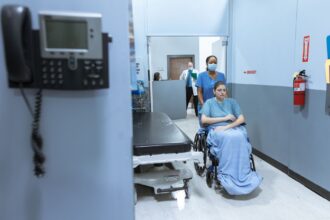
The UN High Commissioner for Human Rights Volker Türk has called for independent investigations into all deaths occurring in US Immigration and Customs Enforcement (ICE) custody and stronger oversight mechanisms, citing systemic gaps in accountability. Speaking on Friday, Türk emphasised that current detention practices require urgent scrutiny to prevent further loss of life among vulnerable migrant populations.
Key takeaways
- The UN Office of the High Commissioner for Human Rights (OHCHR) has formally called for independent investigations into all deaths in ICE custody
- Current US immigration detention oversight lacks adequate independent mechanisms, according to UN human rights analysis
- Healthcare quality and conditions in detention facilities remain a critical human rights concern affecting migrant health outcomes
- This recommendation aligns with international standards for accountability in custodial settings outlined in UN human rights protocols
Oversight Gaps in Immigration Detention Systems
Key areas requiring independent accountability mechanisms per UN human rights standards
Source: UN Office of the High Commissioner for Human Rights, 2026 | Georgian Medical Journal News
Systemic Accountability Failures in US Immigration Detention
The UN Office of the High Commissioner for Human Rights has documented persistent gaps in independent oversight of the US immigration detention system. Volker Türk’s statement highlights the absence of adequate external mechanisms to investigate deaths and monitor conditions in facilities operated by US Immigration and Customs Enforcement (ICE). This represents a breach of international human rights standards requiring transparent, independent accountability in all custodial settings.

According to the OHCHR, deaths in detention facilities must be subject to prompt, impartial investigation to determine causation and prevent future incidents. Currently, internal agency investigations lack the independence necessary to ensure credible public accountability. This is particularly significant given that detained migrants often face pre-existing health vulnerabilities and limited access to medical care.
Healthcare Quality as a Human Rights Concern
The UN High Commissioner for Human Rights has identified healthcare conditions in immigration detention as a core human rights issue. Deaths in custody may reflect inadequate medical screening, delayed treatment, or insufficient resources to manage chronic conditions among detainees. These gaps directly affect health outcomes for some of the most vulnerable populations—people already displaced and at heightened medical risk.
International human rights frameworks, including the UN Universal Declaration of Human Rights, establish that all persons in state custody have a right to adequate healthcare. The OHCHR assessment suggests current US detention practices fall short of these standards. Independent investigations into deaths could reveal patterns of medical neglect or system failures requiring corrective action.
International Standards for Detention Oversight
The UN Office of the High Commissioner for Human Rights has referenced established international protocols for independent oversight of custodial facilities. These frameworks require external monitoring, transparent reporting, and unrestricted access by independent bodies. According to OHCHR guidance, independent investigation mechanisms prevent conflicts of interest and build public trust in accountability processes.
Türk’s call for stronger oversight aligns with recommendations from the UN mechanisms that monitor state compliance with human rights obligations. Countries with robust independent oversight systems demonstrate better health outcomes in detention settings and reduced mortality rates among vulnerable populations.
Implications for Migration and Health Policy
The OHCHR statement has implications for broader migration and health policy globally. Evidence from independent investigations can inform best practices for healthcare delivery in detention settings. This includes protocols for medical screening, chronic disease management, and mental health support for detained migrants. The UN analysis suggests that institutional accountability mechanisms directly correlate with improved health security for vulnerable populations in state custody.
All deaths in US Immigration and Customs Enforcement (ICE) custody must be subject to independent investigation, and the US immigration detention system requires stronger independent oversight mechanisms to meet international human rights standards.
— Volker Türk, UN High Commissioner for Human Rights (2026)
What this means
Frequently asked questions
Why is independent oversight important in immigration detention facilities?
Independent oversight prevents conflicts of interest and ensures credible accountability. When agencies investigate their own personnel, public trust in findings diminishes. External, independent mechanisms provide transparent investigation and help identify systemic failures—such as healthcare gaps—that require corrective action to prevent future deaths.
How do detention conditions affect migrant health outcomes?
Detained migrants often have pre-existing vulnerabilities including infectious diseases, chronic conditions, and mental health concerns. Inadequate healthcare, overcrowding, and poor sanitation in detention facilities increase mortality risk. According to the OHCHR, healthcare standards in custody must meet international human rights requirements to protect this vulnerable population.
What international standards apply to deaths in state custody?
The UN Universal Declaration of Human Rights and related conventions require that all persons in custody receive adequate healthcare and that suspicious deaths be promptly and impartially investigated. The OHCHR monitors state compliance with these standards, which apply to all nations.
The UN High Commissioner for Human Rights statement underscores a critical gap in US immigration detention governance. As global migration pressures increase, independent oversight and transparent accountability in detention facilities will become increasingly important for protecting migrant health and upholding international human rights standards. Governments implementing Türk’s recommendations can establish models for accountability that prevent preventable deaths and improve healthcare delivery in custodial settings worldwide.
Was this article helpful?
Disclaimer. This article is health journalism intended for general information and education. It is not medical advice and is not a substitute for professional diagnosis or treatment. Always consult a qualified healthcare provider about your individual circumstances. Full disclaimer →
Related Coverage




Editorial standards. This article was produced under the GMJ News editorial process, with oversight by the GMJ Editorial Board. Our editorial process. Spotted an error? Contact the editorial team.