Understanding the relationship between coffee and cholesterol requires knowing how three key elements interact. First, cafestol and kahweol—diterpenes naturally present in coffee oil—activate specific liver receptors that suppress the enzyme responsible for converting cholesterol into bile acids. This mechanism directly reduces the liver’s ability to clear LDL cholesterol from the bloodstream.
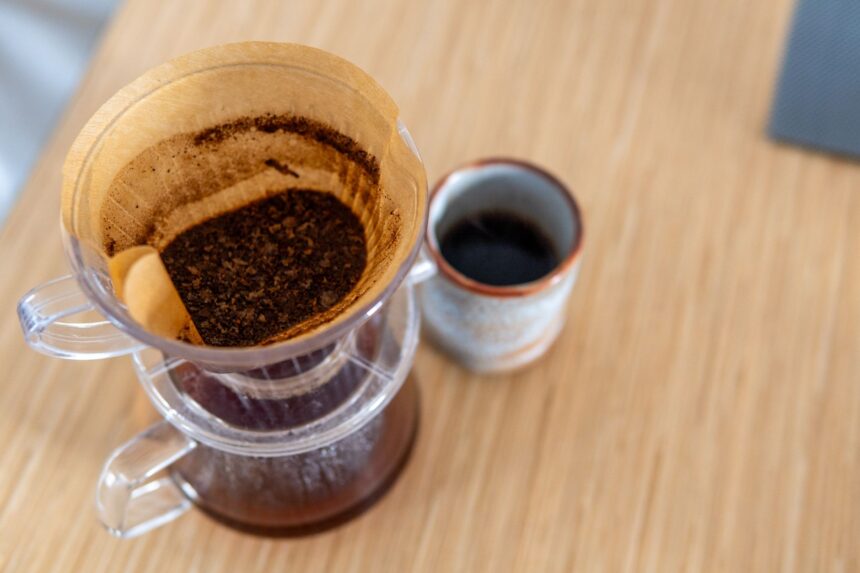
Second, filter type determines diterpene exposure. Metal mesh filters in French presses and espresso machines allow diterpenes to pass into brewed coffee, while paper filters in drip and pour-over methods block them almost completely. A Swedish workplace analysis found cafestol concentrations ranging from 939 mg/L in boiled coffee to essentially 0-5 mg/L in filtered preparations.
Third, the clinical consequence is quantifiable: unfiltered coffee raises LDL by an average of 5.4 mg/dL, while filtered coffee shows no measurable effect. For those managing cholesterol, choosing a filtered brewing method preserves coffee consumption without cardiovascular trade-offs.
Read the full article on GMJ Newsroom.

Was this article helpful?