By using this site, you agree to the Privacy Policy and Terms of Use.
Accept
GMJ NewsGMJ NewsGMJ News
  • Latest News
    • GMJ Briefs
  • Podcast & Media
    • Podcast Episodes
    • GMJ Audio
    • GMJ Videos
  • Research Digest
    • New Studies
    • Georgian Research
    • Data & Numbers
  • Policy & Systems
    • Health Policy
    • Quality & Safety
    • Migration & Health
    • Global Health
  • Practice
    • Clinical Updates
    • Case Discussions
    • Pharmacy & Prescribing
    • Ingredients A-Z
  • Perspectives
    • Editorial
    • Explainers
    • Voices
    • Letters
  • GMJ Articles
    • Vol. 1 Issue 2 (2026)
    • Vol. 1 Issue 1 (2026)
    • Pre-Launch Articles (2025)
  • Read the Journal →
  • About GMJ News
Notification Show More
Font ResizerAa
GMJ NewsGMJ News
Font ResizerAa
  • Latest News
    • GMJ Briefs
  • Podcast & Media
    • Podcast Episodes
    • GMJ Audio
    • GMJ Videos
  • Research Digest
    • New Studies
    • Georgian Research
    • Data & Numbers
  • Policy & Systems
    • Health Policy
    • Quality & Safety
    • Migration & Health
    • Global Health
  • Practice
    • Clinical Updates
    • Case Discussions
    • Pharmacy & Prescribing
    • Ingredients A-Z
  • Perspectives
    • Editorial
    • Explainers
    • Voices
    • Letters
  • GMJ Articles
    • Vol. 1 Issue 2 (2026)
    • Vol. 1 Issue 1 (2026)
    • Pre-Launch Articles (2025)
  • Read the Journal →
  • About GMJ News
Follow US
GMJ News > GMJ Briefs > The Hidden Metabolic Crisis: Thiamine Deficiency in Hospitalized Heart Failure Patients

The Hidden Metabolic Crisis: Thiamine Deficiency in Hospitalized Heart Failure Patients

GMJ
Last updated: 26/07/2026 23:30
By
Prof. Giorgi Pkhakadze
Share
1 Min Read
Comparison chart showing thiamine deficiency rates in heart failure patients versus healthy controls
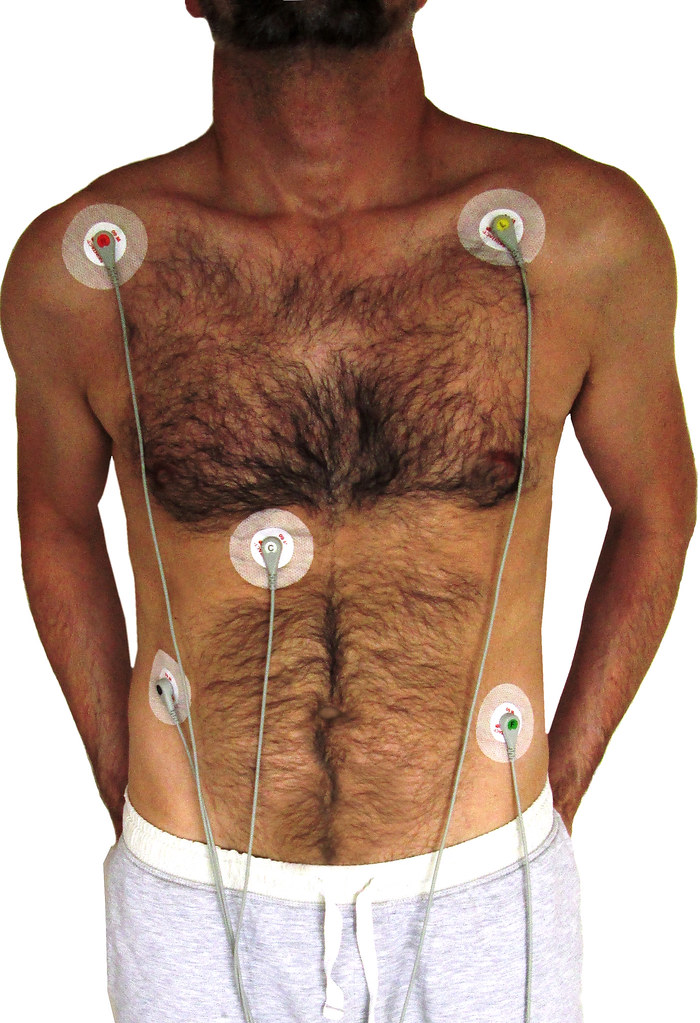
One-third of hospitalized heart failure patients have thiamine deficiency, yet this treatable metabolic bottleneck is rarely screened or addressed in routine care. Loop diuretics, essential for symptom relief, accelerate thiamine depletion. — "Heart Monitor" by medipics1066 is marked with Public Domain Mark 1.0. To view the terms, visit https://creativecommons.org/publicdomain/mark/1.0/. (Public Domain Mark)
SHARE
1 min read|133 words

A growing body of evidence reveals a critical oversight in heart failure management: one-third of hospitalized heart failure patients suffer from thiamine deficiency, compared with just 12% of matched controls. The culprit is often the very medication designed to relieve their symptoms—loop diuretics, which accelerate urinary thiamine loss and deplete the body’s modest stores within weeks.

Thiamine pyrophosphate serves as the essential cofactor for pyruvate dehydrogenase, the primary enzymatic gateway for converting glucose into ATP within cardiac mitochondria. Without adequate thiamine, pyruvate cannot enter the mitochondria, lactate accumulates, and cardiac energy production falters—a metabolic cascade with potentially serious clinical consequences.

Despite this clear mechanistic link and measurable deficiency rates, routine thiamine screening remains rare in clinical practice. This gap between evidence and implementation deserves urgent attention from clinicians managing heart failure populations.

Was this article helpful?

GMJ Brief · Announcement

📰 Read the full article: Why Heart Failure Patients Need Thiamine: A Metabolic Imperative Often Overlooked →

Related reference
  • Heart Failure · Condition
  • Thiamine · Ingredient
  • Thiamin · Ingredient
Share This Article
Facebook LinkedIn Bluesky Copy Link Print
GMJ
ByProf. Giorgi Pkhakadze
Follow:
Prof. Giorgi Pkhakadze, MD, MPH, PhD, is Editor-in-Chief of the Georgian Medical Journal and Chair of the Public Health Institute of Georgia (PHIG). He is Professor and Head of the Department of Social and Behavioural Sciences at David Tvildiani Medical University, and Secretary/Treasurer of the UEMS Section of Public Health. ORCID: 0000-0001-7609-4515.

Submit Your Paper →

Georgia's peer-reviewed open-access medical journal. No APC until January 2027.
Submit Manuscript →
Special Operations Forces Show Persistent Health Burden From Combat Trauma, New Study Reveals

Active-duty U.S. special operations forces personnel show persistent health problems across behavioral,…

Why Adolescent Obesity Is Rising in the Digital Age—and How Digital Tools Can Help

Global adolescent obesity is rising due to digital food marketing and structural…

Frozen and Canned Produce Offer Similar Nutritional Value to Fresh, Research Shows

Frozen and canned fruits and vegetables retain nutritional quality comparable to fresh…

Submit Your Paper to GMJ

No APC until January 2027.
Submit Manuscript →

You Might Also Like

Bar chart showing polyphenol content across berries and plant foods, from chokeberry at 1,500+ mg to strawberry at 270 mg per 100g fresh weight

Berry Selection Matters: Polyphenol Content Varies Fivefold Across Common Fruits

By
Prof. Giorgi Pkhakadze
29/07/2026
Pregnant Sudanese refugee women waiting for prenatal consultation at Birao District Hospital in Central African Republic

Civil War Displacement Amplifies Maternal Mortality Crisis in Central African Republic

By
Prof. Giorgi Pkhakadze
02/07/2026
Global HealthPolicy & Systems

WHO Declares Public Health Emergency as Ebola Crosses DRC-Uganda Border

By
Prof. Giorgi Pkhakadze
31/05/2026
Diagram showing brain's glymphatic system with cerebrospinal fluid flow and astrocyte network

Three Evidence-Based Strategies to Optimize Your Brain’s Natural Cleanup System

By
Prof. Giorgi Pkhakadze
27/06/2026
Facebook Twitter Youtube Instagram
Company
  • Privacy Policy
  • Contact US
  • GMJ Journal
  • Submit Manuscript
  • Editorial Team
  • Register at GMJ
  • Terms of Use

Subscribe to GMJ News — Click here

Join Community
© 2026 Georgian Medical Journal (GMJ). Published by the Public Health Institute of Georgia (PHIG). All rights reserved.
Welcome Back!

Sign in to your account

Username or Email Address
Password

Lost your password?

Not a member? Sign Up