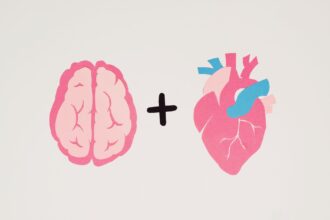
B vitamins support three critical pathways for brain health. First, folate and B12 regulate homocysteine—an amino acid whose elevated levels damage blood vessels and neurons; adequate supplementation has been shown to slow brain atrophy in older adults. Second, thiamine and riboflavin fuel mitochondrial ATP production; their deficiency causes reversible cognitive fog, confusion, and fatigue that improve with repletion. Third, B6 is essential for synthesizing serotonin and dopamine; low B6 disrupts mood regulation, stress resilience, and emotional stability. Additionally, DHA, B12, folate, and iron maintain myelin integrity and axonal firing speed—deficiency leads to demyelination and neuropathy. Given these interconnected pathways, micronutrient screening represents a practical, evidence-based approach to cognitive prevention and optimization. Read the full article on GMJ Newsroom.
Was this article helpful?